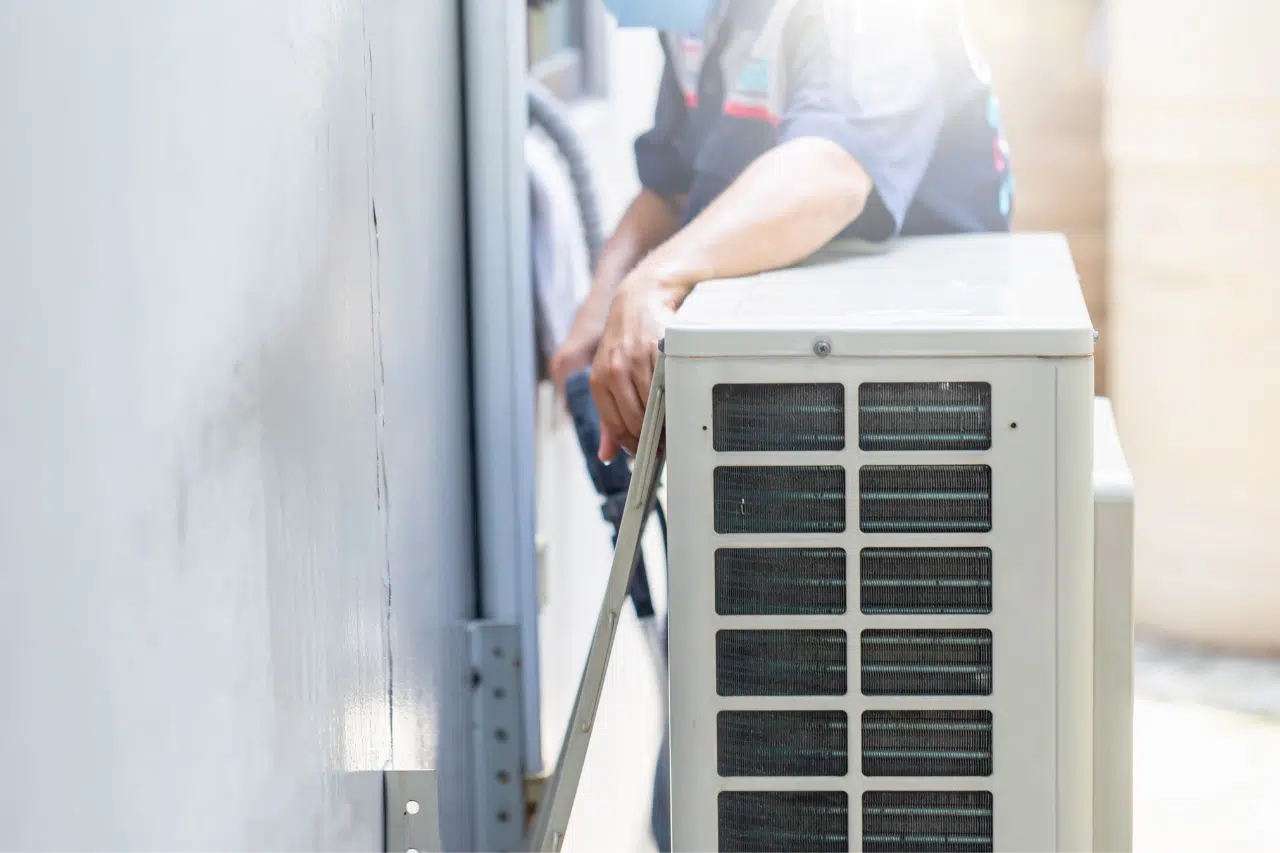
A reliable heating system is essential for maintaining comfort during colder months. Among the various heating options available, furnaces remain one of the most widely used systems due to their efficiency and effectiveness. However, like any mechanical equipment, furnaces can develop issues over time. Understanding how they work, recognizing warning signs, and knowing when to seek furnace repair can help you maintain a warm and safe indoor environment while avoiding costly breakdowns.
To better understand repair needs, it is important to first know how a furnace operates. A furnace works by generating heat and distributing it throughout a building via a system of ducts or vents. The process begins when the thermostat detects that the indoor temperature has dropped below the desired level.
Once activated, the furnace ignites fuel, commonly natural gas, electricity, or oil—to produce heat. This heat is transferred to the air through a heat exchanger. A blower fan then pushes the warm air through ducts and into different rooms.
The system continues to operate until the thermostat senses that the desired temperature has been reached. If any component in this process malfunctions, it can disrupt the entire system, making timely furnace repair essential.
Common Furnace Problems
Furnaces can experience a wide range of issues, some minor and others more serious. One of the most common problems is a lack of heat. This could be caused by thermostat issues, ignition problems, or a malfunctioning pilot light.
Another frequent issue is poor airflow, often resulting from clogged air filters or blocked ducts. When airflow is restricted, the furnace has to work harder, reducing efficiency and increasing energy consumption.
Unusual noises such as rattling, banging, or squealing can indicate mechanical issues. These sounds may be caused by loose components, worn belts, or motor problems. Ignoring these noises can lead to more significant damage over time.
Frequent cycling—where the furnace turns on and off repeatedly—is another sign of trouble. This may be due to a dirty filter, an improperly sized system, or thermostat malfunctions.
Importance of Regular Maintenance
Preventive maintenance plays a crucial role in reducing the need for furnace repair. Regular servicing ensures that all components are functioning properly and helps identify potential issues before they become major problems.
One of the simplest maintenance tasks is replacing or cleaning air filters. Dirty filters restrict airflow, causing the furnace to overheat and operate inefficiently. This not only increases energy bills but also shortens the lifespan of the system.
Inspecting the thermostat, checking electrical connections, and cleaning internal components are also important maintenance activities. Scheduling annual professional inspections can help keep your furnace in optimal condition and prevent unexpected breakdowns.
Warning Signs That Require Immediate Attention
Certain signs indicate that your furnace needs immediate repair. If you notice a sudden increase in energy bills, it could mean that your system is working harder than usual due to an underlying issue.
Uneven heating throughout your home is another warning sign. If some rooms are warm while others remain cold, there may be issues with the ductwork or the furnace itself.
Strange odors, such as a burning smell or gas odor, should never be ignored. These could indicate serious problems, including gas leaks or electrical issues, and require immediate professional attention.
If your furnace fails to start or shuts down unexpectedly, it is a clear indication that something is wrong. In such cases, prompt furnace repair is necessary to restore functionality and ensure safety.
DIY Troubleshooting Tips
Before calling a professional, there are a few basic troubleshooting steps you can try. Start by checking the thermostat settings to ensure they are correct and functioning properly. Sometimes, the issue may be as simple as replacing the batteries.
Next, inspect the air filter and replace it if it appears dirty or clogged. This can often resolve airflow issues and improve performance.
Check the circuit breaker to ensure it hasn’t tripped. Electrical issues can sometimes cause the furnace to stop working altogether.
While these steps can help resolve minor problems, it is important to avoid attempting complex repairs on your own. Furnaces involve electrical and fuel components that can be dangerous if handled improperly.
When to Call a Professional
There are situations where professional expertise is essential. If your furnace is making unusual noises, emitting strange odors, or failing to produce heat, it is best to contact a qualified technician.
Professionals have the tools and knowledge to diagnose problems accurately and perform repairs safely. They can also identify underlying issues that may not be immediately visible, ensuring a comprehensive solution.
Attempting to fix complex problems without proper training can lead to further damage and increased costs. Investing in expert furnace repair services ensures that your system is restored efficiently and safely.
Factors Affecting Repair Costs
The cost of furnace repair can vary depending on several factors. The type of problem, the age of the furnace, and the availability of replacement parts all play a role in determining the final cost.
Minor repairs, such as replacing a thermostat or cleaning components, are generally affordable. However, major issues like a damaged heat exchanger or blower motor can be more expensive.
Labor costs also vary depending on the complexity of the repair. While it may be tempting to choose the cheapest option, it is important to prioritize quality service to avoid recurring problems.
Extending the Lifespan of Your Furnace
Proper care and maintenance can significantly extend the lifespan of your furnace. Most furnaces are designed to last between 15 to 20 years, but this can vary based on usage and maintenance practices.
Keeping the area around the furnace clean and free from debris is essential. This helps ensure proper airflow and reduces the risk of overheating.
Using a programmable thermostat can also reduce strain on the system by optimizing temperature settings based on your schedule. This not only improves efficiency but also extends the life of your furnace.
Regular inspections and timely repairs are key to maintaining a reliable heating system. Addressing small issues early can prevent them from turning into major problems.
Energy Efficiency and Environmental Considerations
Modern furnaces are designed to be more energy-efficient, helping reduce energy consumption and environmental impact. Upgrading to a high-efficiency model can lower utility bills and improve overall performance.
Proper maintenance also plays a significant role in energy efficiency. A well-maintained furnace operates more efficiently, reducing energy waste and minimizing environmental impact.
Sealing leaks in ductwork and ensuring proper insulation can further enhance efficiency by preventing heat loss. These measures not only improve comfort but also contribute to a more sustainable home.
Choosing the Right Repair Service
Selecting a reliable repair service is crucial to ensuring the longevity and efficiency of your furnace. Look for certified technicians with experience in handling different types of heating systems.
Reading customer reviews and checking credentials can help you make an informed decision. A reputable service provider will offer transparent pricing, detailed explanations of the problem, and recommendations for maintenance.
Timely service is also important, especially during colder months when a malfunctioning furnace can cause significant discomfort. Choosing a provider that offers prompt and reliable support can make a big difference.
The Role of Technology in Modern Furnaces
Advancements in technology have improved the performance and reliability of modern furnaces repair. Smart thermostats, for example, allow users to control temperature settings remotely and optimize energy usage.
Some systems come equipped with diagnostic features that detect issues and provide alerts. This allows for early intervention and reduces the risk of major breakdowns.
Technicians also use advanced tools to diagnose and repair problems more efficiently. This ensures quicker service and more accurate solutions.
Final Thoughts
Furnaces play a vital role in maintaining indoor comfort and safety during cold weather. Understanding how they work, recognizing common issues, and investing in regular maintenance can help you avoid costly repairs and ensure reliable performance.
While basic troubleshooting can resolve minor problems, it is important to seek professional help for more complex issues. Timely furnace repair not only restores functionality but also ensures the safety and efficiency of your heating system.
By taking a proactive approach to maintenance and choosing a trusted repair service, you can enjoy consistent warmth and peace of mind throughout the colder seasons.