Upgrading your home with Energy-Efficient Windows is one of the most significant improvements a homeowner can make to enhance indoor comfort, reduce energy costs, and maintain a visually appealing exterior. Windows are essential for regulating indoor temperatures, providing natural light, and contributing to the overall aesthetic of a home says SunWorld Management. Over time, aging or poorly insulated windows can become a source of heat loss during winter and excessive heat gain during summer, which can increase energy bills and compromise comfort. Understanding the various materials, glass configurations, and performance characteristics of modern energy-efficient windows allows homeowners to make informed decisions that balance function, longevity, and design while ensuring consistent comfort and energy savings.
Understanding the Importance of Energy Efficiency in Windows
Energy efficiency in windows is more than a feature; it is a practical solution to a common household challenge. Traditional or outdated windows often allow drafts, air leaks, and heat transfer that can disrupt indoor comfort and require heating and cooling systems to work harder, consuming more energy. Energy-efficient windows address these issues through improved frame construction, multi-pane glazing, low-emissivity coatings, and advanced sealing systems that minimize air and heat infiltration. By selecting the right combination of materials and glass technologies, homeowners can maintain a stable indoor environment, reduce reliance on heating and cooling systems, and enjoy measurable long-term cost savings while improving the overall livability of their home. Additionally, investing in energy-efficient windows contributes to sustainability goals, as homes with better-insulated windows require less energy for temperature regulation, reducing overall environmental impact.
Choosing the Right Frame Materials for Your Home
The frame material of a window plays a crucial role in determining its insulation properties, durability, maintenance requirements, and visual appeal. Vinyl frames are widely recognized for their durability, low maintenance, and resistance to moisture and warping, making them suitable for a wide range of climates and ideal for homeowners seeking practical, long-lasting solutions. Wood frames offer natural insulation and a classic appearance, and while they require regular maintenance such as painting or sealing, they provide unmatched customization options to complement architectural design. Fiberglass frames are highly durable, stable under temperature fluctuations, and offer excellent thermal performance, combining strength and insulation in one solution. Aluminum frames, while known for their modern, sleek aesthetics and lightweight construction, require thermal breaks to enhance energy performance and prevent heat transfer. Each material offers unique advantages, and homeowners should consider both the climate conditions and long-term maintenance when selecting a frame to ensure that it aligns with their home’s functional and aesthetic needs.
Glass Options and Their Impact on Performance
The glass component of energy-efficient windows directly influences insulation, comfort, and energy savings. Double or triple glazing is commonly used to reduce heat transfer, with multiple layers of glass separated by air or inert gas such as argon or krypton, which further improves thermal resistance. Low-emissivity (Low-E) coatings are another critical component, reflecting infrared heat to keep interiors cooler in summer and warmer in winter without significantly affecting natural light. Additionally, tinted or reflective glass options may be appropriate for homes in hot climates, reducing solar heat gain while maintaining visibility and daylight. Combining these features allows homeowners to tailor windows to their specific climate, orientation, and energy-efficiency objectives, ensuring consistent performance and enhanced comfort throughout the year.
Understanding Performance Ratings
Standardized performance ratings provide homeowners with reliable measures to compare window options and predict energy efficiency outcomes. The U-factor measures the rate of heat transfer through the window, with lower values indicating better insulation. The Solar Heat Gain Coefficient (SHGC) quantifies how well the window blocks heat from sunlight; in warmer climates, lower SHGC values can reduce cooling demands. Visible Transmittance (VT) indicates the amount of natural light entering the home, balancing daylight with potential glare or heat gain. Air leakage ratings reveal the extent of unwanted airflow through seams and joints, with lower numbers representing tighter, more effective seals. Evaluating these metrics helps homeowners select windows that meet both comfort and energy-efficiency goals while supporting long-term performance.
Additional Benefits of Energy-Efficient Windows
In addition to lowering energy costs, energy-efficient windows provide several complementary benefits. Properly installed windows reduce drafts, maintain stable indoor temperatures, and contribute to a quieter indoor environment by limiting outside noise infiltration. They also enhance curb appeal, with modern designs available in a variety of colors, finishes, and styles to complement the home’s architectural character. From a long-term perspective, high-performance windows require less maintenance, resist deterioration, and can extend the lifespan of the window system, creating a durable, functional, and aesthetically pleasing upgrade. The combination of energy efficiency, comfort, visual enhancement, and reduced maintenance makes energy-efficient windows a practical investment for homeowners seeking both immediate and lasting benefits.
Installation Considerations for Optimal Performance
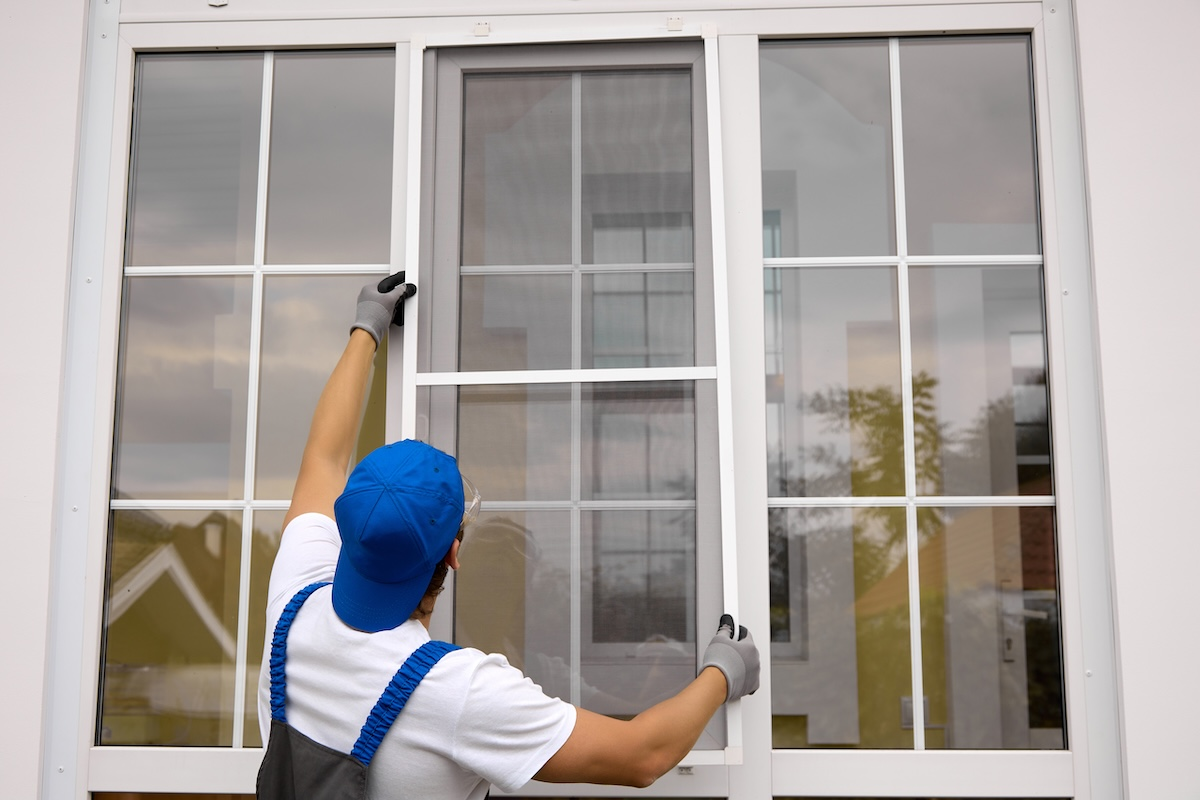
Proper installation is essential to ensure that energy-efficient windows deliver the benefits they are designed for. Even the most advanced window technologies can underperform if not fitted and sealed correctly. Accurate measurements, precise alignment, and attention to weatherproofing are critical to preventing air leakage, moisture infiltration, and long-term structural issues. Professional installation following industry best practices ensures that windows achieve their rated thermal performance, maintain proper operation, and contribute effectively to home comfort and energy savings. Homeowners should prioritize quality installation as a complement to their choice of materials and glass technologies to secure consistent, long-term results.
ConclusionSelecting Energy Efficient Windows is a decision that combines aesthetics, performance, and long-term value. By carefully considering frame materials, glass options, performance ratings, and proper installation techniques, homeowners can significantly improve indoor comfort, reduce energy costs, and enhance the visual appeal of their home. Energy-efficient windows are more than an upgrade; they are an investment in a home’s functionality, sustainability, and overall quality of living. With thoughtful planning and attention to detail, homeowners can ensure that their window replacement project delivers both immediate and enduring benefits for years to come.