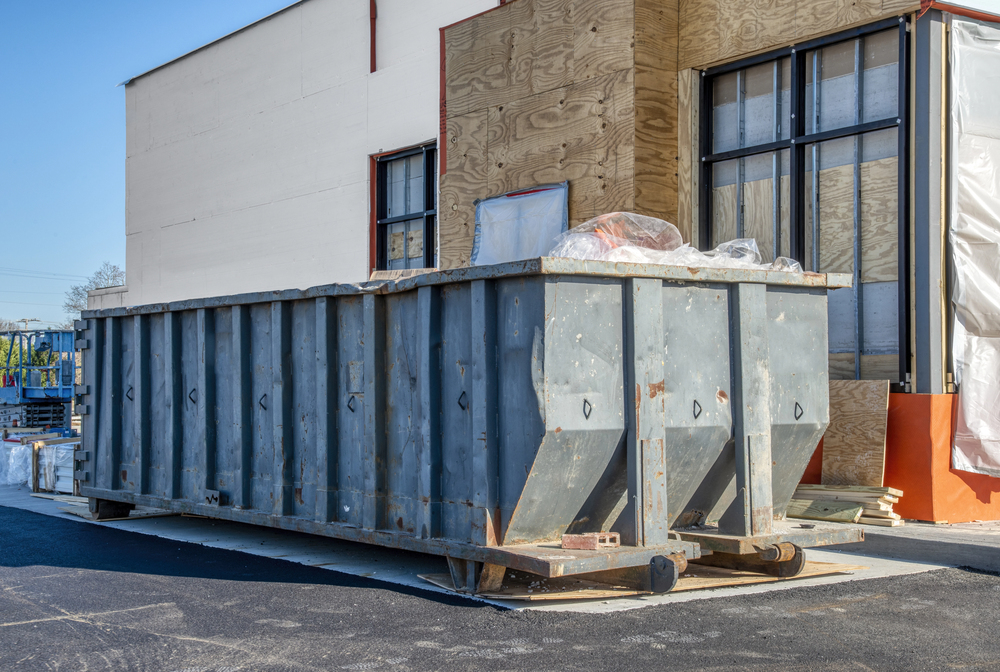
Managing waste efficiently is a critical aspect of both residential and commercial projects. Whether it’s a home renovation, construction site, large-scale cleanup, or business operation, handling large volumes of debris can be challenging without the right resources. Dumpster rentals provide a practical, cost-effective, and convenient solution for temporary waste management, enabling homeowners, contractors, and businesses to dispose of large quantities of materials safely and responsibly. With the growing emphasis on sustainability and organized waste disposal, dumpster rentals have become an essential service for modern property management and construction practices.
A dumpster rental involves placing a large container on a property, which is then filled with waste over a set period. Once full, the container is collected by a professional service and the waste is transported to the appropriate disposal or recycling facility. This streamlined approach eliminates the need for multiple trips to landfills, reduces labor requirements, and ensures compliance with local regulations. Dumpster rentals are versatile, accommodating a wide variety of waste types and project scales.
The Benefits of Dumpster Rentals
One of the primary benefits of dumpster rentals is convenience. Handling large volumes of waste without professional assistance can be time-consuming and physically demanding. By renting a dumpster, individuals and businesses gain access to a centralized waste collection point, eliminating the need for repeated trips to disposal sites. This is particularly valuable for construction projects, yard cleanups, or events that generate significant debris in a short period.
Efficiency is another key advantage. Dumpster rentals allow multiple workers or residents to deposit waste simultaneously, keeping workspaces organized and safe. This centralized disposal system prevents clutter, reduces hazards, and enables projects to progress smoothly without interruptions caused by scattered debris.
Cost-effectiveness is also notable. While renting a dumpster involves a fee, it often saves money compared to the cumulative costs of fuel, vehicle wear, landfill fees, and labor associated with traditional waste disposal methods. Many rental services provide all-inclusive pricing, covering delivery, pickup, and disposal, offering predictable expenses for budgeting purposes.
Environmental responsibility is a growing consideration for homeowners and businesses alike. Reputable dumpster rental companies often sort and recycle materials such as metals, plastics, and wood, ensuring that waste is processed in an environmentally friendly manner. Using a dumpster rental reduces the likelihood of illegal dumping and promotes sustainable waste management practices.
Types of Dumpster Rentals
Dumpster rentals come in a variety of sizes and configurations to accommodate different project needs. Common types include:
Roll-Off Dumpsters: These are the most widely used dumpsters for construction, renovation, and large cleanouts. Roll-off dumpsters are delivered on-site and rolled off the truck, making them easy to position. They are available in sizes ranging from 10 to 40 cubic yards, allowing customers to choose the container that best suits the volume of waste they expect to generate.
Front-Load Dumpsters: Typically used by businesses and commercial facilities for regular waste collection, front-load dumpsters are lifted and emptied using specialized trucks. They are ideal for consistent waste management needs and come in sizes that support weekly or bi-weekly pickups.
Recycling Dumpsters: For projects focused on sustainability, recycling dumpsters provide separate bins for recyclable materials such as cardboard, metals, plastics, and electronics. These dumpsters help businesses and individuals reduce landfill impact and comply with recycling regulations.
Specialty Dumpsters: Certain projects may require specialized dumpsters for hazardous waste, yard debris, or construction materials such as concrete and asphalt. Rental companies often provide guidance to ensure that the correct type of dumpster is used for specific waste streams.
Applications of Dumpster Rentals
Dumpster rentals are versatile and applicable to a wide range of residential, commercial, and industrial projects.
Residential Applications: Homeowners often use dumpster rentals for home renovations, roofing projects, landscaping cleanups, and moving-related decluttering. A conveniently placed dumpster allows for efficient disposal of old furniture, construction debris, and household items, keeping the property organized and safe during the project.
Commercial Applications: Businesses use dumpster rentals for ongoing waste management, office cleanouts, and remodeling projects. Restaurants, retail stores, and office complexes benefit from the reliability and flexibility of a rented dumpster, which can handle large volumes of cardboard, packaging materials, and other commercial waste.
Construction and Industrial Applications: Construction sites generate significant amounts of debris, including concrete, wood, drywall, and metals. Dumpster rentals are essential for managing these materials, ensuring that job sites remain organized and compliant with safety regulations. Industrial facilities also rely on dumpsters to manage production waste and maintain clean working environments.
Event Management: Large events, festivals, and public gatherings produce considerable waste, including packaging, food containers, and general trash. Renting dumpsters ensures efficient waste collection, maintaining clean venues and minimizing environmental impact.
Choosing the Right Dumpster Rental Service
Selecting a reliable dumpster rental service is essential for a smooth waste management experience. Homeowners and businesses should consider several factors when choosing a provider:
Size and Capacity: Proper sizing ensures that the dumpster can accommodate all waste generated without overflow or underutilization. Rental companies typically offer guidance based on project type and volume estimates.
Delivery and Pickup Flexibility: Reliable rental services provide timely delivery and pickup, ensuring that projects remain on schedule. Flexibility in scheduling can accommodate changes in project timelines or unexpected increases in waste volume.
Pricing and Transparency: Clear pricing structures, including delivery, pickup, and disposal fees, prevent surprises. Some companies offer flat rates, while others charge based on weight or rental duration.
Recycling and Disposal Practices: A responsible rental service prioritizes recycling and proper waste disposal, reducing environmental impact. Clients should inquire about the company’s recycling policies and certifications.
Customer Support: Effective communication and support are critical. Rental companies should provide clear instructions for loading the dumpster, safety guidelines, and assistance in addressing any issues during the rental period.
Safety Considerations for Dumpster Rentals
Safety is a crucial consideration when using dumpster rentals in Garner. Proper placement is essential to avoid hazards to vehicles, pedestrians, and workers. Dumpsters should be positioned on stable, level surfaces to prevent tipping or shifting. When filling the dumpster, heavy items should be evenly distributed, and materials should not extend beyond the container’s top edges, which could pose risks during transport.
Hazardous materials, such as chemicals, flammable liquids, and certain electronics, should not be placed in standard dumpsters unless specifically approved. Rental companies typically provide guidelines regarding prohibited items and may offer specialized containers for hazardous waste.
Personal protective equipment (PPE), such as gloves and safety glasses, should be used when handling heavy or sharp materials. Following safety protocols ensures that the waste disposal process is efficient and injury-free.
Environmental and Regulatory Considerations
Dumpster rentals are subject to local regulations regarding waste disposal, recycling, and environmental compliance. Professional rental companies are knowledgeable about these rules and ensure that waste is handled appropriately. Proper documentation, permits, and disposal records may be required for certain projects, particularly in construction and industrial settings.
Sustainable practices, such as separating recyclable materials and diverting waste from landfills, are increasingly emphasized. Choosing a rental company committed to environmental responsibility supports community sustainability goals and aligns with modern waste management standards.
Cost Factors in Dumpster Rentals
The cost of a dumpster rental depends on several factors, including size, rental duration, type of waste, and location. Larger dumpsters or those designed for heavy materials, such as concrete or metal, typically cost more. Rental periods longer than a week may incur additional fees, and exceeding weight limits can result in surcharges.
Transparent pricing and upfront estimates help customers plan budgets effectively. Many rental companies provide free consultations or online calculators to determine the most appropriate dumpster size and cost for specific projects.
Conclusion
Dumpster rentals in Garner are a practical, versatile, and essential solution for managing waste efficiently in residential, commercial, and industrial projects. By providing centralized, safe, and convenient waste collection, dumpster rentals simplify debris disposal, enhance project efficiency, and support environmental responsibility. Proper selection of size, type, and rental provider ensures a smooth process and minimizes stress for homeowners, contractors, and business operators alike.
Whether managing construction debris, cleaning out a home, supporting a business operation, or organizing an event, dumpster rentals deliver unmatched convenience, safety, and cost-effectiveness. Investing in a professional dumpster rental service allows projects to proceed smoothly, waste to be disposed of responsibly, and communities to maintain cleaner, safer environments.