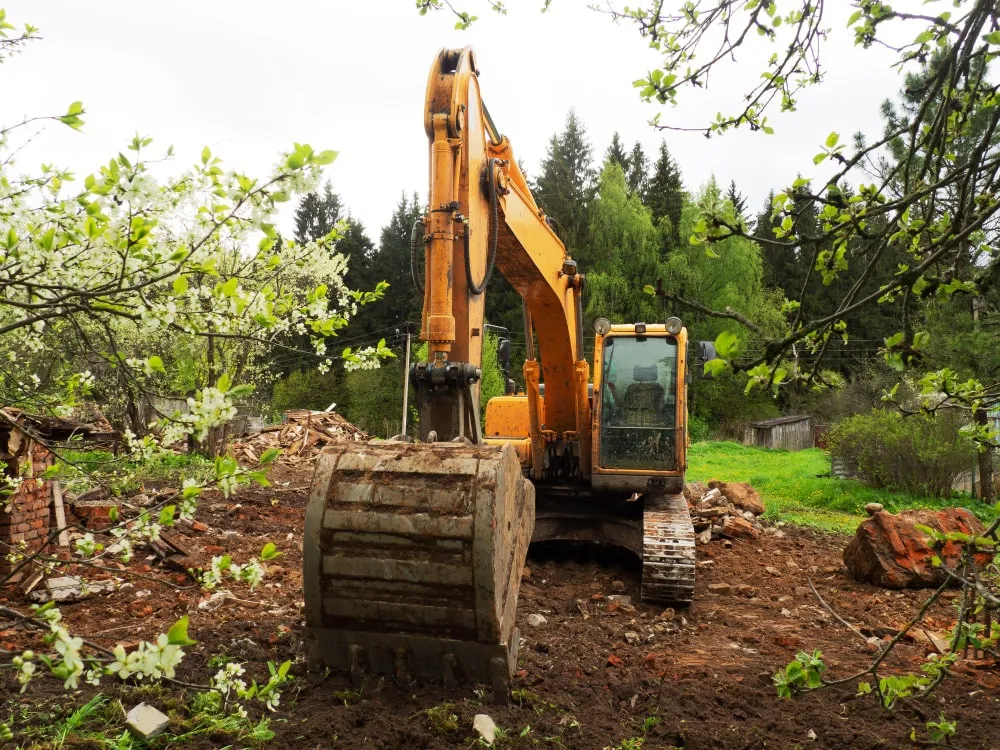
Managing land effectively requires careful planning, preparation, and execution. Whether for construction, agriculture, or environmental management, clearing land is a critical first step. Land clearing involves removing trees, brush, rocks, and other obstacles to prepare a property for its intended use. Done correctly, land clearing not only provides a functional space but also helps protect the environment and ensures long-term sustainability.
This comprehensive guide explores the methods, benefits, considerations, and best practices for land clearing. By understanding these principles, landowners and contractors can make informed decisions that save time, reduce costs, and minimize ecological impact.
What is Land Clearing?
Land clearing is the process of removing vegetation, debris, and other obstructions from a property. This can include trees, shrubs, stumps, rocks, and even structures that are no longer needed. The goal is to create a usable space for construction, farming, landscaping, or recreational purposes.
Unlike simple mowing or trimming, land clearing involves significant preparation and often requires specialized equipment. It may also include grading the land to ensure proper drainage and prevent erosion. Proper land clearing balances efficiency with environmental responsibility, maintaining soil health and minimizing damage to surrounding areas.
Methods of Land Clearing
There are several methods used in land clearing, each suited to different types of terrain, vegetation, and project goals.
Mechanical land clearing uses heavy equipment such as bulldozers, excavators, and forestry mulchers to remove trees, stumps, and brush. This method is fast and effective for large areas but can be disruptive to the soil and ecosystem if not managed properly.
Manual land clearing involves human labor using hand tools such as chainsaws, axes, and shovels. While slower and more labor-intensive, manual clearing allows for selective removal of vegetation and reduces the impact on the environment. It is often used for smaller areas or sensitive landscapes where machinery might cause damage.
Chemical land clearing involves applying herbicides to eliminate unwanted vegetation. This method can be useful for controlling invasive species or brush that is difficult to remove manually. However, chemical use requires careful handling to prevent contamination of soil, water, and non-target plants.
Burning or controlled fires is another method for clearing land, particularly in agricultural or forested areas. Prescribed burns can remove excess vegetation and improve soil fertility. However, this method requires strict safety protocols and adherence to local regulations to prevent uncontrolled fires.
Benefits of Land Clearing
Effective land clearing provides numerous benefits beyond simply creating usable space. One major advantage is increased productivity. For agricultural purposes, cleared land allows for planting crops, creating pastures, or establishing orchards. It improves access and usability for farming equipment, which enhances efficiency and crop yields.
In construction projects, land clearing prepares the site for building roads, homes, or commercial structures. It ensures that the terrain is level and stable, reducing the risk of structural issues and simplifying the construction process.
Land clearing also supports safety. Overgrown vegetation, fallen trees, and debris can pose hazards, particularly in residential or recreational areas. Removing these obstacles reduces the risk of accidents, fire hazards, and pest infestations.
Environmental management benefits are also significant. Properly planned land clearing can improve sunlight penetration, enhance water flow, and support the growth of native plants. It can also be integrated with erosion control measures to maintain soil health and prevent degradation.
Considerations Before Land Clearing
Before beginning a land clearing project, several factors should be considered to ensure safety, efficiency, and sustainability.
The first consideration is the type of vegetation. Dense forests, overgrown brush, and invasive species require different approaches and equipment. Identifying the vegetation type helps determine the appropriate clearing method.
Topography and soil type are also important. Steep slopes, rocky terrain, or fragile soil may require specialized machinery or techniques to prevent erosion and minimize damage.
Environmental impact must be carefully evaluated. Removing trees and vegetation affects local wildlife, water systems, and soil stability. Planning for replanting, erosion control, and habitat preservation ensures that the project is sustainable.
Legal regulations and permits should be checked. Many areas have restrictions on land clearing, particularly near protected ecosystems, wetlands, or historical sites. Compliance with local laws prevents legal issues and fines.
Cost and budget are another key factor. Land clearing involves equipment, labor, disposal, and possibly restoration expenses. Planning ahead allows for efficient allocation of resources and prevents unexpected costs.
Best Practices for Land Clearing
Successful land clearing requires careful planning and execution. Start by mapping out the area and identifying obstacles such as large trees, stumps, rocks, and structures. Determine which vegetation should be preserved and which can be removed.
Choosing the right equipment is essential. For large areas with dense vegetation, mechanical methods like bulldozers or forestry mulchers are efficient. Smaller properties or sensitive areas may benefit from manual clearing. Ensure operators are trained and follow safety protocols to minimize accidents and equipment damage.
Disposal of debris should be planned in advance. Mulching, composting, or chipping vegetation on-site reduces the need for hauling and can improve soil fertility. In some cases, debris may need to be removed off-site in compliance with local regulations.
Integrating erosion control measures is also important. Terracing, silt fences, and mulching help maintain soil stability and protect water systems from sedimentation. Finally, consider long-term land management. Planning for replanting, landscaping, or future construction ensures that cleared land remains productive and sustainable.
Environmental Impact of Land Clearing
While land clearing is often necessary, it can have significant environmental consequences if not managed properly. Removing vegetation affects local ecosystems, wildlife habitats, and soil stability. Excessive clearing can lead to erosion, loss of biodiversity, and water quality issues.
To mitigate these impacts, sustainable land clearing practices are essential. Techniques such as selective clearing, mulching, and phased removal help preserve important vegetation and reduce environmental disruption. Integrating erosion control and replanting plans ensures that cleared land remains productive and ecologically balanced.
By using responsible methods, land clearing can support both human activities and environmental conservation, creating a balance between development and ecological protection.
Professional Land Clearing Services
Hiring professional land clearing services can ensure efficiency, safety, and compliance with regulations. Professionals bring specialized equipment, experience, and knowledge of best practices. They can handle large or challenging areas, manage debris disposal, and minimize environmental impact.
Professional services also offer planning and consultation, helping property owners determine the best methods for clearing land according to their goals and site conditions. For reliable solutions and expertise, investing in professional services can provide peace of mind and long-term benefits.
Conclusion
Land clearing is an essential step in preparing property for construction, agriculture, or environmental management. By understanding the methods, benefits, and considerations involved, property owners can make informed decisions that save time, reduce costs, and protect the environment. Whether using mechanical, manual, chemical, or controlled fire methods, proper planning and execution are key to successful land clearing.
Sustainable land clearing practices not only create usable space but also preserve soil health, protect wildlife, and support long-term productivity. Collaborating with professional services ensures that projects are completed efficiently, safely, and in accordance with regulations. With the right approach, land clearing can transform property into a functional, safe, and sustainable space.