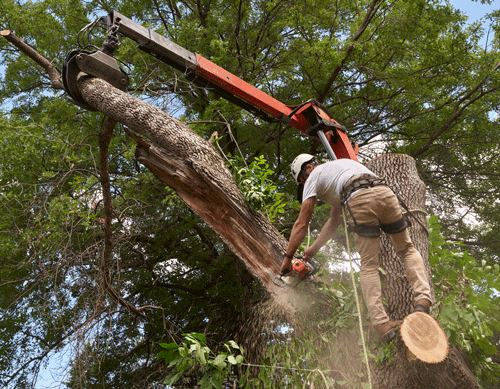
Tree removal is an important aspect of property maintenance, land management, and landscaping. Whether a tree is dead, diseased, hazardous, or obstructing construction or landscaping plans, professional tree removal ensures safety, enhances aesthetics, and prevents potential damage to property. Tree removal is not only about cutting down a tree; it involves careful planning, proper equipment, and adherence to safety and environmental regulations.
This article provides a comprehensive guide to tree removal, exploring its methods, equipment, benefits, safety considerations, and environmental implications. By understanding these aspects, property owners, landscapers, and developers can make informed decisions when dealing with unwanted or hazardous trees.
Understanding Tree Removal
Tree removal refers to the process of cutting down and safely disposing of trees from a property. This may be necessary for various reasons, including safety hazards, disease, storm damage, construction preparation, or improving the overall appearance of a landscape. Removing a tree improperly can pose significant risks, such as injury, property damage, or environmental harm. Therefore, understanding the principles of tree removal is critical before attempting the task.
A professional approach to tree removal involves evaluating the tree’s health, location, size, and surrounding environment. Experts assess whether pruning, trimming, or partial removal might suffice, or if complete removal is the safest solution. Planning and strategy play a crucial role in ensuring that the tree is removed safely and efficiently.
Common Reasons for Tree Removal
There are several reasons why tree removal might be necessary. Trees that are dead or diseased can become unstable and pose a safety risk to people, animals, and property. Storm-damaged trees with broken branches or leaning trunks may also require removal to prevent accidents or further damage.
In construction and landscaping projects, tree removal is often essential to clear space for new buildings, roads, or gardens. Trees that interfere with utility lines, obstruct visibility, or overcrowd other vegetation may also be removed to maintain the health and functionality of the landscape. Understanding the reason behind tree removal helps determine the most appropriate method and ensures that safety and environmental considerations are met.
Methods of Tree Removal
Tree removal can be performed using various techniques, depending on the size, location, and condition of the tree. Small trees in open spaces may be removed using hand saws, chainsaws, or other manual cutting tools. For larger trees, specialized equipment such as cranes, ropes, and cutting machinery is often necessary.
One common method is sectioning, where a large tree is cut down in manageable pieces starting from the top. This technique is especially useful in urban areas or confined spaces where the tree cannot fall freely. Another method involves using heavy machinery such as bulldozers or excavators to remove trees and stumps efficiently. In some cases, controlled felling may be applied in rural or open areas, where safety and property considerations are less restrictive.
Equipment Used in Tree Removal
Professional tree removal requires specialized equipment to ensure efficiency and safety. Chainsaws are essential tools for cutting branches and trunks accurately. Wood chippers or mulchers may be used to process branches and foliage into mulch, which can be repurposed for landscaping or soil improvement.
For large or hazardous trees, cranes, rigging equipment, and ropes are used to control the direction of tree sections as they are removed. Excavators and stump grinders help in clearing stumps and roots, allowing the land to be prepared for further use. Protective gear such as helmets, gloves, goggles, and steel-toed boots is essential for all operators involved in tree removal. Proper equipment and training reduce the risk of accidents and ensure the project is completed efficiently.
Benefits of Tree Removal
Tree removal provides numerous benefits for property owners and the environment. The most immediate benefit is safety; removing dead, diseased, or storm-damaged trees prevents accidents and protects people and property. It also reduces the risk of falling branches or trees interfering with utility lines, roads, or structures.
Tree removal can enhance the aesthetic appeal of a property by improving sunlight exposure, opening views, and creating more functional outdoor spaces. In construction and landscaping projects, removing trees allows for proper land preparation, grading, and development. Additionally, removing invasive or overcrowded trees can promote the growth and health of surrounding vegetation, improving the overall ecological balance of the area.
Safety Considerations in Tree Removal
Tree removal is a high-risk activity that requires careful planning and execution. Safety should always be a top priority. Operators must evaluate the tree’s size, weight, lean, and proximity to structures or power lines before beginning the removal process. Using the correct equipment and wearing protective gear is essential to prevent injuries.
Clear communication and proper planning are crucial when multiple workers are involved. Emergency plans should be in place in case of unexpected tree movement or equipment malfunction. By adhering to safety protocols, tree removal can be conducted efficiently while minimizing the risk to workers and property.
Environmental Impact of Tree Removal
While tree removal is sometimes necessary, it is important to consider its environmental impact. Trees play a crucial role in maintaining ecosystems, providing oxygen, reducing soil erosion, and supporting wildlife. Removing trees indiscriminately can disrupt local habitats and affect soil stability.
To minimize environmental harm, selective tree removal is recommended. This approach targets only the trees that pose a risk or interfere with development, preserving healthy and valuable vegetation. Additionally, using the removed wood as mulch, firewood, or timber reduces waste and promotes sustainable land management practices. Professional tree removal services often incorporate these environmentally responsible practices.
Tree Removal for Construction Projects
In construction projects, tree removal is a critical step to prepare land for buildings, roads, and other infrastructure. Proper removal ensures a stable and level site, prevents damage to machinery and structures, and complies with local regulations. Construction-related tree removal often requires permits, inspections, and adherence to environmental guidelines to ensure the project proceeds legally and safely.
Professional tree removal services can assess the site, plan the safest approach, and remove trees efficiently, allowing construction to proceed without delays. They can also manage stumps, roots, and debris to prepare the land for grading and development.
Tree Removal for Landscaping
Tree removal is an integral part of landscaping projects. Removing unwanted trees allows property owners to redesign outdoor spaces, improve sunlight and airflow, and create gardens, patios, or recreational areas. Landscaping-focused tree removal often involves careful planning to maintain aesthetics and preserve the health of surrounding plants.
By combining tree removal with pruning, mulching, and soil management, landscapers can create functional and visually appealing outdoor environments. Using professional services ensures that the removal is done safely and efficiently while preserving the beauty and balance of the landscape.
Choosing a Professional Tree Removal Service
Professional tree removal in shreveport services offer expertise, equipment, and safety protocols that are critical for complex or hazardous projects. Experts can evaluate tree health, determine the safest removal methods, and manage debris effectively. They are trained to handle large trees, tight spaces, and challenging terrain while adhering to safety and environmental regulations.
For property owners, hiring professionals reduces risks, saves time, and ensures a high-quality result. Whether for construction, landscaping, or safety, professional tree removal is the most reliable approach to managing unwanted or hazardous trees.
Conclusion
Tree removal is a necessary practice for property safety, land preparation, and landscaping. Proper removal requires careful planning, the right equipment, and adherence to safety and environmental guidelines. By understanding the methods, benefits, and challenges of tree removal, property owners and developers can make informed decisions and ensure successful outcomes.
Using professional tree removal services provides efficiency, safety, and sustainability, protecting both people and property while maintaining ecological balance. Whether the goal is construction, landscaping, or hazard prevention, tree removal is an essential part of responsible land and property management. By implementing safe and environmentally conscious practices, property owners can achieve functional, beautiful, and secure outdoor spaces.