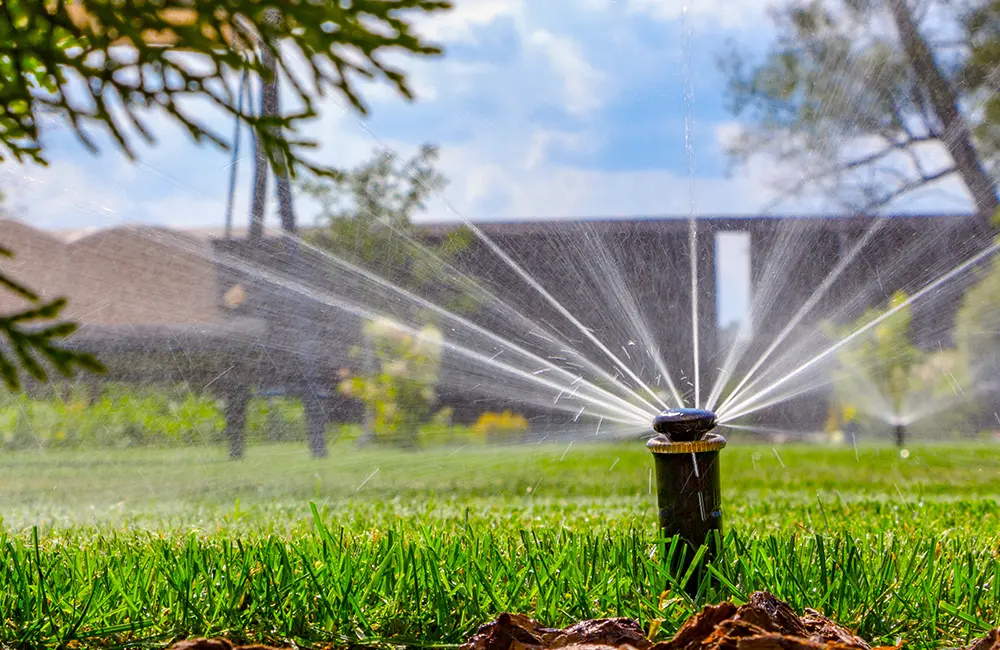
Maintaining a healthy, lush landscape requires more than just planting grass and flowers; it demands a properly functioning irrigation system says Wake County Property Management. Over time, irrigation systems can develop problems due to normal wear and tear, environmental conditions, or improper installation. Malfunctioning sprinklers, broken pipes, clogged nozzles, or uneven water distribution can result in overwatering or dry patches, harming plants and wasting water. Addressing these issues through timely irrigation repair ensures that water is applied efficiently, plants remain healthy, and resources are not wasted. Understanding the causes of irrigation issues, recognizing warning signs, and knowing how to implement repairs either independently or with professional help can extend the life of a system while enhancing landscape performance and sustainability.
The Importance of Irrigation Repair
Irrigation repair is more than a technical necessity; it is an essential aspect of landscape management and water conservation. An inefficient system can lead to uneven watering, causing certain areas to become waterlogged while others remain dry. This imbalance stresses plants, encourages disease, and weakens roots. In addition to harming vegetation, leaks and broken components can increase water bills significantly. Timely irrigation repair not only protects plant health but also reduces water waste, lowers utility costs, and contributes to sustainable outdoor maintenance practices. By prioritizing repairs, property owners can ensure that their irrigation system operates at peak efficiency and supports long-term landscape vitality.
Common Issues Requiring Irrigation Repair
Several issues frequently necessitate irrigation repair. Understanding these problems can help homeowners identify and address them promptly, preventing further damage. One common problem is broken or misaligned sprinkler heads, which can cause water to spray onto sidewalks, driveways, or other non-landscaped areas. Clogged nozzles are another frequent issue, often caused by dirt, debris, or mineral buildup that restricts water flow and prevents even coverage. Leaks in pipes or fittings can lead to pooling water or reduced water pressure, undermining the effectiveness of the system. Electrical malfunctions in controllers or timers may also disrupt watering schedules, resulting in under- or overwatering. Identifying these issues early through regular inspection and maintenance is critical to keeping the system functional and preserving plant health.
Signs Your Irrigation System Needs Repair
Detecting the need for irrigation repair often begins with careful observation. Uneven growth patterns in lawns or garden beds can indicate inconsistent water distribution. Wet spots on the lawn may signal leaks, while dry, brittle areas suggest blocked sprinkler heads or malfunctioning valves. Other signs include unusually high water bills, the presence of algae or mold in areas that receive excess water, and sprinklers that do not rotate or spray correctly. Electrical issues are often indicated by systems that fail to activate according to schedule or controllers that display error codes. Monitoring the performance of the irrigation system throughout the year and responding quickly to irregularities can prevent minor issues from escalating into costly repairs or full system replacements.
DIY Irrigation Repair: When and How to Attempt It
For minor issues, homeowners can often perform basic irrigation repair themselves. Common DIY tasks include cleaning clogged sprinkler heads, adjusting nozzle alignment, and replacing small broken components. Cleaning involves removing debris and mineral buildup that restricts water flow, which can often restore sprinkler performance without professional intervention. Adjusting sprinkler heads ensures that water is distributed evenly, protecting plants and conserving resources. Small repairs, such as replacing a damaged nozzle or tightening loose fittings, can prevent leaks and improve efficiency. However, more complex issues—such as buried pipe leaks, electrical malfunctions, or major system overhauls—may require professional expertise to avoid further damage. It is important to assess the scope of the problem carefully and seek help when necessary to protect the system and ensure reliable operation.
Professional Irrigation Repair Services
While some repairs are manageable at home, professional irrigation repair services provide expertise and efficiency for more complicated problems. Trained technicians can accurately diagnose issues, perform repairs using specialized tools, and ensure that the system operates according to manufacturer specifications. Professional services also offer long-term solutions, such as pipe replacement, controller upgrades, and system audits to optimize water usage. For commercial landscapes, large residential properties, or systems with complex zoning and automation, professional repair is often the most effective and reliable approach. Additionally, hiring experts ensures compliance with local water regulations and sustainable practices, which is especially important in areas with water restrictions or environmental concerns.
Preventive Maintenance to Reduce the Need for Irrigation Repair
Preventive maintenance is the key to minimizing the frequency and cost of irrigation repair. Regular system inspections help detect potential issues before they become serious problems. Flushing pipes to remove sediment, testing water pressure, cleaning filters, and adjusting sprinkler heads seasonally are simple yet effective maintenance practices. Winterization is also critical in colder climates to prevent pipe freezing, which can lead to cracks and costly repairs. By incorporating routine maintenance into landscape management plans, property owners can extend the lifespan of their irrigation system, enhance water efficiency, and maintain consistent plant health throughout the year.
Environmental Benefits of Efficient Irrigation Systems
Proper irrigation repair and maintenance go hand-in-hand with environmental responsibility. Systems that operate efficiently minimize water waste, reducing strain on local water resources and conserving a valuable natural resource. Avoiding overwatering prevents soil erosion, nutrient leaching, and the growth of weeds or algae. By ensuring that water is applied where and when it is needed, a well-maintained irrigation system supports sustainable landscaping practices and healthy ecosystems. This not only benefits the immediate property but also contributes to broader community and environmental health by reducing runoff, conserving water, and supporting resilient green spaces.
Cost Considerations and Long-Term Value
Investing in irrigation repair may involve upfront costs, but the long-term savings and benefits often outweigh the expense. Addressing leaks, broken components, or uneven coverage reduces water bills, prevents plant loss, and avoids extensive damage that would require system replacement. Timely repairs also preserve the integrity of landscape investments, including lawns, trees, shrubs, and garden beds. Professional services may offer warranties or preventative maintenance packages that further protect against unexpected expenses. Viewing irrigation repair as an investment rather than a recurring expense emphasizes its value in maintaining healthy, thriving outdoor spaces and achieving cost-efficient water management.
Technological Advances in Irrigation Repair
Modern irrigation systems increasingly incorporate advanced technology, such as smart controllers, moisture sensors, and automated zoning, which improve efficiency but may also require specialized repair skills. Smart systems can detect soil moisture levels and adjust watering schedules accordingly, reducing water waste and promoting optimal plant growth. Technicians trained in these technologies can ensure that repairs maintain system performance and integrate new upgrades seamlessly. Staying current with advancements allows property owners to benefit from improved efficiency, reduced costs, and environmentally responsible practices while minimizing the risk of malfunction or damage.
ConclusionIrrigation repair is a crucial component of landscape management that ensures healthy plants, efficient water use, and long-term system performance. Whether addressing minor blockages, broken sprinkler heads, leaks, or complex electrical issues, timely repair prevents further damage and supports sustainable outdoor maintenance. Regular inspections, preventive maintenance, and professional expertise combine to extend the lifespan of irrigation systems while promoting consistent plant health and environmental responsibility. By understanding the importance of irrigation repair and responding proactively to problems, property owners can maintain beautiful, thriving landscapes, conserve resources, and protect the investment in their outdoor spaces. Proper irrigation care is not merely about fixing problems as they arise—it is a comprehensive approach to sustainable, efficient, and healthy landscape management that delivers lasting benefits.