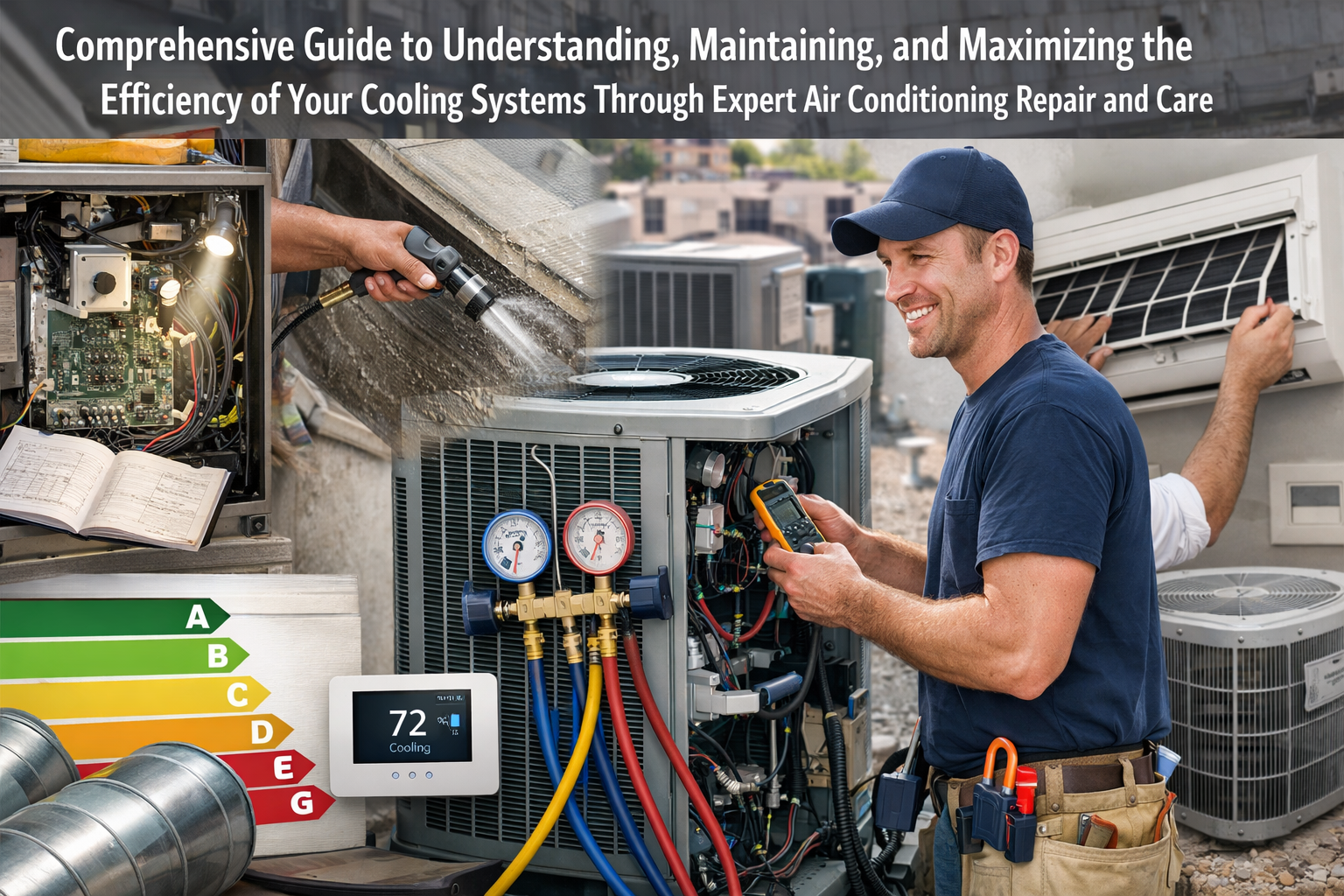
Modern living has made indoor comfort a top priority, and a central component of that comfort is a well-functioning air conditioning system. The role of these systems is not merely to cool down the air but also to regulate humidity, filter dust and allergens, and maintain a consistent indoor environment. However, like any mechanical system, air conditioners are subject to wear and tear, and without timely maintenance, they can fail or become inefficient. Understanding how air conditioning repair works, when it is necessary, and how to prevent common problems can save homeowners and businesses both money and stress in the long run.
The Basics of Air Conditioning Systems
An air conditioning system operates on the principles of thermodynamics, using refrigerants, compressors, and evaporator coils to transfer heat from the indoor environment to the outdoors. The cycle begins with the compressor compressing refrigerant gas, which then flows through condenser coils where heat is expelled. After cooling and condensation, the refrigerant moves through expansion valves and evaporator coils inside the building, absorbing heat and cooling the indoor air. Fans circulate the air throughout rooms, providing a steady and comfortable temperature.
While these components are highly effective, their efficiency relies on regular maintenance and occasional repairs. Over time, issues such as refrigerant leaks, compressor failures, clogged filters, and worn-out electrical components can compromise the system’s performance. Understanding these elements and how they interact is crucial for anyone considering air conditioning repair.
Signs That Indicate the Need for Air Conditioning Repair
Early detection of potential issues can prevent costly repairs or total system failure. Some common signs include uneven cooling across different rooms, unusual noises like grinding or hissing, increased energy bills, water leaks around the indoor unit, and poor airflow. If any of these symptoms are observed, it is advisable to contact a qualified professional who specializes in air conditioning repair. Ignoring these warning signs may result in more severe damage and expensive replacement costs.
Common Problems Requiring Professional Attention
Several issues often necessitate professional air conditioning repair. Refrigerant leaks are one of the most common problems and can significantly reduce cooling efficiency. These leaks not only increase energy consumption but also pose environmental hazards. Compressor failure is another major concern; this critical component is responsible for circulating the refrigerant, and any malfunction can halt the entire cooling process. Electrical issues, clogged condensate drains, and damaged coils also require attention from trained technicians. Attempting DIY repairs without proper knowledge can lead to further damage or even safety hazards.
Preventive Measures to Reduce Repair Frequency
Although air conditioning repair is sometimes unavoidable, certain preventive measures can extend the lifespan of your system and reduce the frequency of breakdowns. Regularly cleaning or replacing air filters ensures optimal airflow and reduces strain on the system. Keeping the outdoor unit free from debris, leaves, and other obstructions allows proper heat exchange. Scheduling annual professional inspections helps identify potential issues before they become serious problems. Additionally, using a programmable thermostat and avoiding extreme temperature settings can reduce unnecessary stress on the air conditioner.
Energy Efficiency and Cost Considerations
A well-maintained air conditioning system is not only more reliable but also more energy-efficient. When a system is running efficiently, it consumes less electricity, resulting in lower utility bills. On the other hand, neglecting maintenance or delaying air conditioning repair can lead to inefficiencies, increasing energy consumption and costs. Upgrading to energy-efficient models or components during a repair can provide long-term savings, particularly if the system is older or has been frequently malfunctioning.
Environmental Impact of Air Conditioning Repair and Maintenance
Modern air conditioners rely on refrigerants, some of which can contribute to greenhouse gas emissions if not handled properly. Professional air conditioning repair services ensure that refrigerants are safely recovered, recycled, or replaced according to environmental standards. Furthermore, well-maintained systems consume less energy, indirectly reducing carbon footprints. Homeowners and businesses can contribute to environmental conservation by choosing eco-friendly refrigerants and ensuring timely system maintenance.
Choosing the Right Professional for Air Conditioning Repair
Selecting a qualified and reputable professional for air conditioning repair is essential. Technicians should be certified, experienced, and knowledgeable about the latest technologies and safety standards. Reading reviews, seeking recommendations, and verifying credentials can help ensure reliable service. A professional repair service not only fixes immediate issues but also provides guidance on preventive maintenance and efficiency improvements. Investing in skilled technicians can save money, prevent future breakdowns, and increase the overall lifespan of the cooling system.
The Future of Air Conditioning Technology and Repair
Advancements in technology are transforming the way air conditioning systems are designed, maintained, and repaired. Smart thermostats, energy-efficient compressors, variable refrigerant flow systems, and IoT-enabled monitoring allow for real-time diagnostics and predictive maintenance. These technologies reduce the likelihood of unexpected failures and streamline air conditioning repair processes. Staying informed about technological trends can help consumers make educated decisions regarding system upgrades and maintenance schedules, ultimately improving performance and comfort.
DIY Maintenance vs. Professional Repair
While some routine tasks, such as cleaning filters or checking for obvious leaks, can be performed by homeowners, most air conditioning repair tasks require professional expertise. Attempting to fix electrical components, handle refrigerants, or repair compressors without proper training can be dangerous and may void warranties. Understanding the limits of DIY maintenance versus professional repair ensures safety and effectiveness while preserving the system’s longevity.
Conclusion
Air conditioning systems play a critical role in maintaining indoor comfort and quality of life. Regular maintenance, awareness of potential issues, and timely professional air conditioning repair are vital to ensuring efficiency, reliability, and safety. By understanding how these systems function, recognizing early warning signs, implementing preventive measures, and selecting qualified professionals, homeowners and businesses can optimize their cooling systems and reduce costs over time. In a world where indoor environments are increasingly valued, investing in proper air conditioning care is not just practical it is essential.