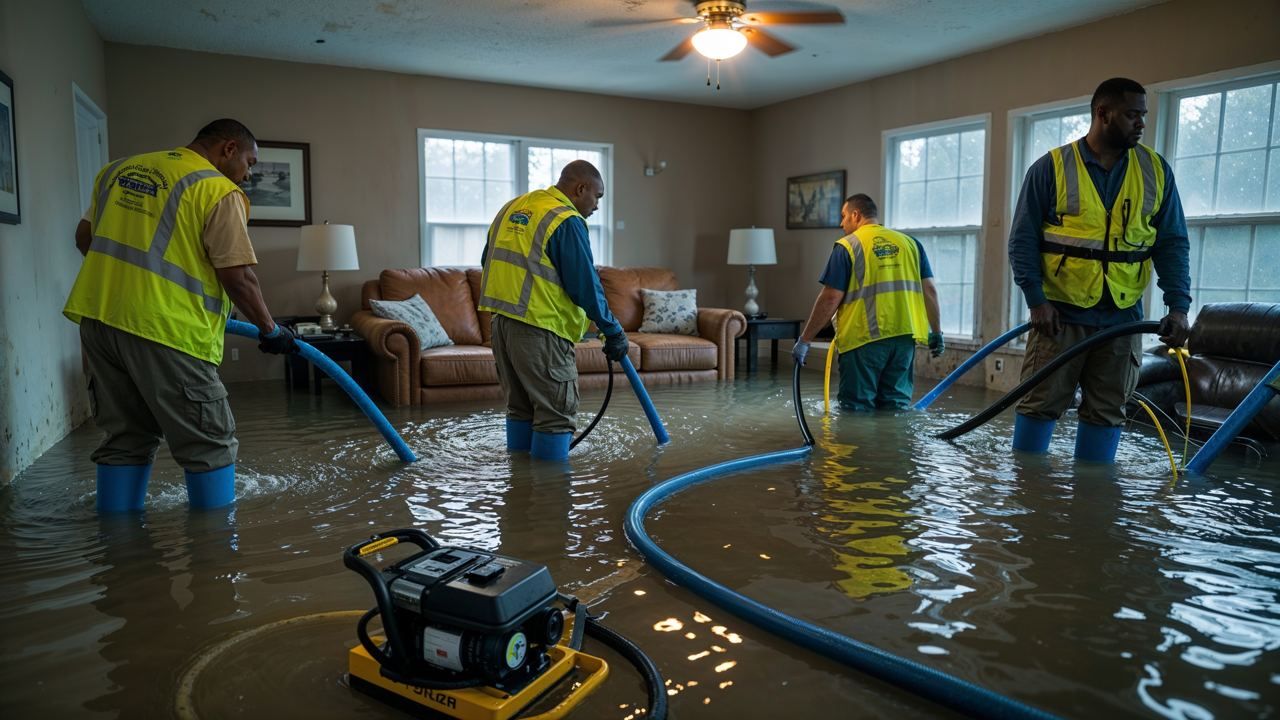
Water is essential to life, yet when it infiltrates structures unintentionally, it can cause extensive damage to homes, businesses, and personal belongings says CMG Aurora Management. Flooding, leaks, storms, and plumbing failures are common sources of unwanted water exposure, and addressing these issues promptly is critical to prevent further deterioration. Water damage restoration is a specialized field that combines technical expertise, equipment, and careful planning to restore affected properties to safe, functional, and aesthetically acceptable conditions. This article explores the principles, processes, and professional practices involved in water damage restoration, emphasizing the importance of timely intervention and expert handling.
Understanding the Impact of Water Damage
Water intrusion affects buildings on multiple levels, including structural integrity, indoor air quality, and the condition of personal property. The type and extent of damage depend on the source of water, the materials affected, and the duration of exposure. For example, clean water from a burst pipe may initially present less risk than contaminated floodwater, but both can cause significant problems if not addressed quickly.
Immediate concerns include material weakening, mold growth, and potential electrical hazards. Wood, drywall, insulation, and flooring materials are particularly vulnerable to prolonged moisture exposure, which can lead to warping, staining, and structural compromise. Early identification and intervention are essential to minimize these risks.
The Role of Professional Water Damage Restoration
Professional restoration goes beyond simple cleanup. Experts assess the scope of damage, determine the appropriate restoration methods, and implement a structured plan to restore the property. This process involves containment, water extraction, drying, sanitation, and repair, ensuring that both visible and hidden damage is addressed.
Trained restoration specialists also provide documentation and reporting, which can be critical for insurance claims and property valuation. Their expertise ensures that restoration efforts are effective, efficient, and compliant with industry standards.
Assessment and Inspection
A thorough assessment is the first step in any water damage restoration project. Professionals examine structural elements, flooring, walls, ceilings, and HVAC systems to identify moisture penetration. Specialized tools, such as moisture meters, thermal imaging cameras, and hygrometers, help detect hidden water pockets that might otherwise go unnoticed.
Understanding the source of the water is equally important. Determining whether damage is due to a leak, appliance failure, or external flooding influences the restoration strategy. Accurate assessment allows for targeted interventions, preventing unnecessary work and reducing costs.
Water Extraction and Drying
The removal of standing water is a critical step in preventing further damage. Advanced water extraction equipment, such as pumps, wet vacuums, and submersible devices, is used to remove water quickly and efficiently. Speed is crucial because prolonged exposure accelerates material degradation and increases the risk of mold growth.
Once excess water is removed, controlled drying and dehumidification begin. Industrial fans, air movers, and dehumidifiers are strategically placed to promote airflow and reduce moisture levels in walls, floors, and other affected areas. Maintaining proper humidity levels is essential for preventing secondary damage and ensuring materials dry thoroughly.
Mold Prevention and Remediation
Moist environments are ideal for mold growth, which can compromise health and further damage materials. Restoration professionals take proactive steps to prevent mold by applying antimicrobial treatments, removing contaminated materials, and ensuring adequate ventilation during the drying process.
If mold is already present, remediation involves careful containment, removal, and treatment to prevent spores from spreading. This step requires specialized knowledge and equipment, as improper handling can exacerbate the problem or create new health hazards.
Structural Repairs and Material Replacement
After water is extracted and affected areas are dried, restoration may require repairing or replacing damaged materials. This includes drywall replacement, floor refinishing, ceiling repairs, and insulation replacement. Specialists ensure that repairs integrate seamlessly with existing structures and meet safety and building standards.
Attention to detail during this phase is critical. Proper sealing, alignment, and finishing restore not only functionality but also the aesthetic appeal of the property. Experienced restoration professionals combine technical skill with craftsmanship to achieve durable results.
Equipment and Techniques in Water Damage Restoration
Modern restoration relies on a combination of advanced equipment and proven techniques. Moisture detection devices, infrared cameras, and hygrometers identify hidden water and track drying progress. Water extraction pumps, industrial air movers, and dehumidifiers facilitate rapid drying, while antimicrobial treatments prevent biological hazards.
Techniques also include structural drying, which uses controlled airflow to target specific areas, and applied structural drying, which addresses cavities, wall assemblies, and subfloor areas. The combination of equipment and technique ensures that restoration is thorough and minimizes the risk of recurring damage.
Safety and Compliance Considerations
Safety is paramount in water damage restoration in boulder city. Contaminated water, electrical hazards, and structural instability all pose risks to untrained individuals. Professional teams follow strict safety protocols, including the use of personal protective equipment (PPE), electrical lockout procedures, and contamination containment.
Compliance with local building codes, environmental regulations, and insurance requirements is another critical aspect. Documentation of the restoration process, including moisture levels, equipment used, and repairs performed, provides accountability and supports insurance claims or future property evaluations.
Preventive Measures and Maintenance
While restoration addresses existing damage, professionals also provide guidance on preventive measures. These may include routine plumbing inspections, installation of sump pumps, improved drainage systems, and proper sealing of windows, doors, and foundations. Regular maintenance reduces the likelihood of future water intrusion and minimizes potential repair costs.
Preventive strategies also encompass monitoring humidity levels, maintaining HVAC systems, and ensuring proper grading and drainage around the property. Owners who follow expert recommendations can significantly extend the lifespan and safety of their property.
Economic and Emotional Value of Restoration
Water damage can be stressful and disruptive, particularly in residential settings. Professional restoration provides both practical and emotional value by restoring living spaces quickly and safely. Financially, timely intervention prevents escalating repair costs, preserves property value, and supports insurance recovery.
In commercial settings, restoration minimizes downtime and operational disruptions, maintaining business continuity. Efficient restoration contributes to employee safety, customer satisfaction, and brand reputation, highlighting the broad impact of professional services.
Challenges in Water Damage Restoration
The industry faces challenges such as rapidly evolving building materials, complex HVAC systems, and unpredictable weather events. Effective restoration requires ongoing training, adaptability, and investment in modern equipment.
Another challenge is the hidden nature of water damage. Moisture can penetrate behind walls, under floors, and into structural cavities, making thorough inspection and monitoring essential. Professionals rely on experience, technology, and methodical processes to uncover and address all affected areas.
The Future of Water Damage Restoration
Looking ahead, the industry is expected to integrate advanced monitoring systems, data-driven diagnostics, and eco-friendly solutions. Smart sensors can detect leaks and monitor humidity levels in real time, while sustainable materials reduce environmental impact during restoration.
Despite technological advancements, human expertise remains indispensable. Skilled restoration professionals assess complex conditions, make judgment calls on material repairs, and ensure compliance with safety and quality standards. The combination of experience and innovation defines the future of effective water damage restoration.
Conclusion:
Water damage restoration in boulder city is a critical service that protects structures, preserves property value, and ensures safety. By combining inspection, water extraction, drying, mold prevention, and repair, professionals restore properties to functional and aesthetic standards.
Timely intervention, specialized equipment, and experienced judgment are essential for mitigating damage, preventing health hazards, and reducing long-term costs. Property owners who engage professional restoration services benefit from durability, reliability, and peace of mind, knowing their investment is protected.
Water damage restoration is more than remediation; it is a comprehensive, systematic approach to preserving property, preventing future loss, and safeguarding the environments in which people live, work, and thrive.