Post Preview
Key Takeaways
- Differentiating headache types is crucial for finding the most effective treatments.
- Tracking and understanding triggers help develop preventive strategies.
- Lifestyle changes can significantly impact headache frequency and severity.
- Both conventional and complementary therapies may be beneficial in individualized management plans.
- Seeking medical attention is essential when headaches present with concerning features or disrupt daily life.
Table of Contents
- Understanding Different Types of Headaches
- Identifying Common Headache Triggers
- Effective Lifestyle Modifications
- Medical Treatment Options
- Alternative and Complementary Therapies
- When to Seek Professional Help
- Developing a Personalized Headache Management Plan
- Conclusion
Understanding Different Types of Headaches
Headaches impact people of all ages, with varying causes and symptoms. Recognizing the kind of headache you are experiencing is essential for proper management. Three prevalent types include tension headaches, migraines, and cluster headaches. Each presents distinct features that influence management strategies and outcomes.
For example, tension headaches tend to present with a dull, persistent discomfort along the forehead, while migraines are linked with severe throbbing, nausea, and light sensitivity. Cluster headaches cause more localized, excruciating pain, often around one eye, and may be accompanied by autonomic symptoms like nasal congestion. Identifying the specific type helps guide treatment plans and avoid unnecessary interventions. Constipation and other health concerns may sometimes accompany severe headache attacks, highlighting the need for a holistic approach to care. Learn more at Healthline to better understand related wellness issues.
Identifying Common Headache Triggers
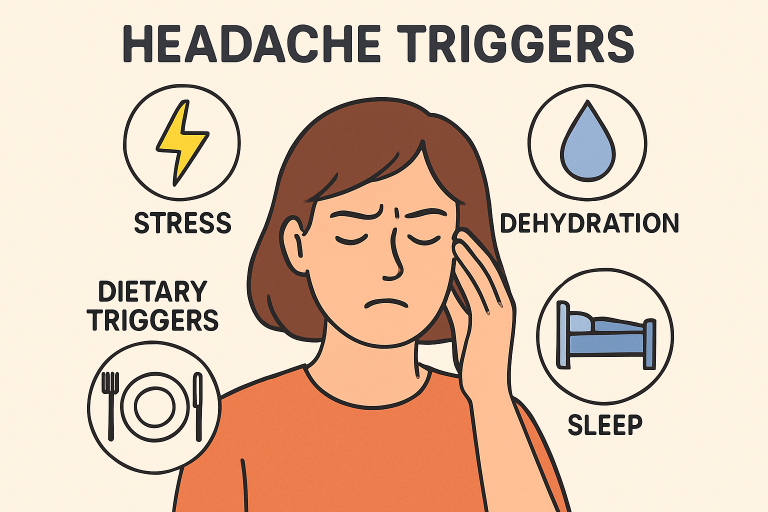
Discovering the factors that contribute to headache onset can lead to more effective prevention and treatment. The most frequent triggers include stress, dietary choices, dehydration, and irregular sleep schedules. Environmental factors such as bright lights, loud sounds, or strong smells may also provoke headaches in specific individuals.
Developing self-awareness through a headache diary can be invaluable in tracking both frequency and situational triggers. By recording meal times, hydration levels, stress patterns, and activities, it becomes easier to spot repeated patterns and intervene before a full-blown headache develops. According to the Mayo Clinic, understanding and avoiding personal triggers is an essential part of effective headache control.
Effective Lifestyle Modifications
Lifestyle habits significantly influence headache occurrence and severity. Regular physical activity, for instance, can help lower both stress and headache frequency by stimulating the release of endorphins. Consistent sleep routines, aiming for at least seven hours per night, also promote neurological stability and resilience against headaches.
Proper nutrition also plays a significant role. Avoiding common dietary triggers like processed meats, aged cheeses, and alcohol, along with maintaining regular meal times, can help prevent. Staying well-hydrated is crucial as even mild dehydration may trigger symptoms. According to the Mayo Clinic, prioritizing these lifestyle foundations can make a measurable difference when included in your overall headache management plan.
Medical Treatment Options
For those with persistent or particularly severe headaches, medical interventions are sometimes required. Over-the-counter medications such as ibuprofen or acetaminophen often help relieve tension headaches. Prescription medications, including triptans for migraines and certain preventive drugs like beta-blockers or antidepressants, can significantly reduce symptom severity or frequency when appropriately used. Non-invasive neuromodulation devices that deliver light electrical or magnetic pulses are a newer, safe option for some patients who do not tolerate medication well.
Consulting a healthcare provider ensures access to the full range of available therapies and controls for possible side effects or dangerous medication interactions. Individualized pharmacological plans offer tailored relief, especially for those whose headaches significantly interfere with daily life or do not respond to over-the-counter solutions.
Alternative and Complementary Therapies
Many individuals explore alternative or complementary approaches to headache management in search of more holistic care. Acupuncture remains a favored option, having demonstrated effectiveness in reducing headache frequency and intensity. Massage therapy can also promote relaxation and relieve muscle tension, sometimes resulting in fewer headache episodes. Biofeedback techniques teach self-management of physiological responses to stress and pain, while some herbal remedies, such as feverfew, have been studied for migraine prevention.
However, before beginning complementary therapies or taking supplements, it is wise to consult with a healthcare provider for safety and appropriateness. The National Institutes of Health (NIH) recommends collaborating closely with your physician to develop a balanced strategy that combines proven and innovative approaches.
When to Seek Professional Help
Although self-management is effective in many scenarios, certain headaches warrant prompt medical assessment. Seek immediate evaluation if a headache is sudden and severe, follows a head injury, or presents with new neurological symptoms such as confusion, visual disturbances, or speech difficulties. Similarly, if you are over 50 years old and develop new headaches or if your symptoms resist home management and impact your quality of life, reaching out to a specialist is recommended.
Developing a Personalized Headache Management Plan
Developing the right strategy for headache relief often involves a combination of approaches. Begin by identifying your own headache patterns and potential triggers through journaling. Incorporate changes such as consistent sleep, hydration, balanced nutrition, exercise, and targeted stress management. Work closely with your healthcare provider to evaluate the need for medications, alternative therapies, or further diagnostic testing if headaches persist. With patience and routine monitoring, progress can often be seen in both symptom reduction and improved daily functioning.
Conclusion
Successful headache management draws on a comprehensive understanding of headache types, careful tracking of triggers, and a willingness to embrace lifestyle changes and medical therapies when indicated. By developing a personalized management plan and acting quickly when concerning symptoms arise, individuals can effectively minimize the impact of headaches on their lives and safeguard their overall well-being.