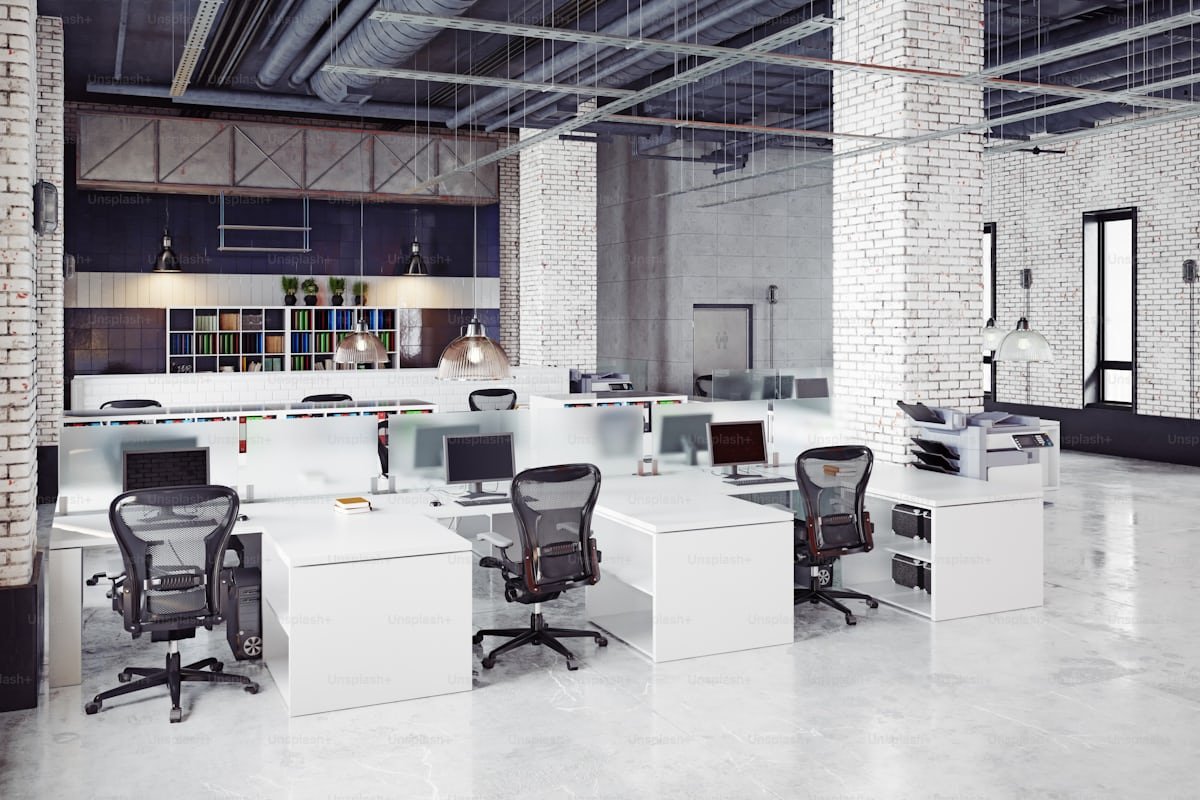
A safe office building is more than just a legal requirement—it’s the foundation of a productive, confident, and engaged workforce. When employees feel secure in their environment, they’re better able to focus, collaborate, and perform at their best. From fire prevention to daily maintenance, office building safety relies on a combination of smart planning, consistent oversight, and proactive habits. Here are the key safety practices every office building should prioritize to create a safer workplace for everyone inside.
1. Fire Safety and Emergency Preparedness
Fire safety is one of the most critical components of office building safety. Buildings should be equipped with functional smoke detectors, fire alarms, sprinkler systems, and clearly marked fire exits. These systems must be inspected and tested regularly to ensure they work when needed.
Equally important is emergency preparedness. Fire drills and evacuation plans help employees understand exactly what to do in an emergency, reducing panic and confusion. Clear evacuation maps should be posted throughout the building, and emergency contact information should be easy to find. Preparation saves lives, and routine practice makes responses second nature.
2. Proper Lighting and Visibility
Good lighting plays a surprisingly large role in workplace safety. Poorly lit hallways, stairwells, parking garages, and entrances increase the risk of slips, falls, and security incidents. Offices should ensure all interior and exterior lighting is functional and bright enough to allow safe movement at all hours.
Emergency lighting is also essential. Backup lighting systems help guide occupants to exits during power outages or emergencies, preventing injuries and ensuring smooth evacuations.
3. Regular Maintenance and Inspections
Many workplace accidents stem from issues that could have been prevented with routine maintenance. Loose handrails, cracked flooring, leaking ceilings, and faulty elevators all pose serious safety risks. Conducting regular inspections allows building managers to identify and fix hazards before they escalate.
Preventive maintenance schedules should cover HVAC systems, electrical panels, plumbing, elevators, and structural elements. Partnering with professional teams—such as office building management services in Salt Lake City—can help ensure inspections are thorough and repairs are handled promptly and professionally.
4. Slip, Trip, and Fall Prevention
Slips and falls are among the most common office injuries. To minimize risk, floors should be kept clean, dry, and clutter-free. Spills should be addressed immediately, and warning signs should be used during cleaning or wet conditions.
Cables and cords should be properly secured, rugs should have non-slip backing, and stairways should feature handrails and contrasting edge markings. Even small adjustments can dramatically reduce the likelihood of accidents.
5. Security and Access Control
A safe office building also requires strong security measures. Controlled access systems—such as key cards, PIN codes, or biometric scanners—help ensure only authorized individuals enter the building. Visitor sign-in procedures add another layer of accountability.
Security cameras, alarm systems, and on-site security personnel can further deter theft, vandalism, and unauthorized access. Employees should also be trained to recognize suspicious behavior and know how to report concerns safely and discreetly.
6. Health and Indoor Air Quality
Safety isn’t limited to visible hazards. Indoor air quality has a major impact on employee health and well-being. Poor ventilation can lead to headaches, fatigue, and the spread of airborne illnesses.
Regular HVAC maintenance, proper air filtration, and adequate ventilation help maintain clean, healthy air throughout the building. Cleaning protocols should also prioritize non-toxic products and frequent sanitation of high-touch areas like door handles, elevators, and shared equipment.
7. Ergonomics and Workspace Design
An often-overlooked aspect of safety is ergonomics. Poorly designed workstations can cause long-term injuries such as back pain, eye strain, and repetitive stress injuries. Adjustable chairs, proper desk heights, monitor positioning, and footrests all contribute to safer, more comfortable workspaces.
Encouraging employees to take breaks, stretch, and adjust their setups promotes both physical health and productivity over time.
8. Employee Awareness and Training
Even the best safety systems fall short without employee awareness. Regular training sessions help staff understand safety policies, emergency procedures, and best practices for everyday work. When employees know how to identify hazards and respond appropriately, safety becomes a shared responsibility rather than a top-down rule.
Clear communication, visible signage, and open reporting channels foster a culture where safety concerns are addressed quickly and respectfully.
Conclusion
Creating a safer workplace requires consistent effort, thoughtful planning, and a proactive mindset. By focusing on fire safety, maintenance, security, health, and employee awareness, office buildings can significantly reduce risks and build an environment where people feel protected and valued. Safety isn’t a one-time task—it’s an ongoing commitment that pays off in stronger morale, fewer incidents, and a workplace everyone can trust.