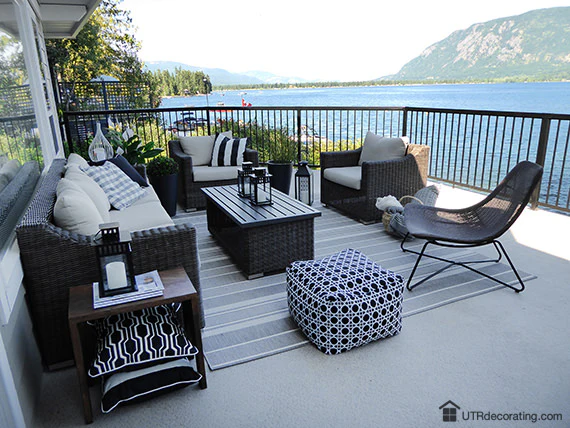
A deck is one of the most valuable additions to any home, providing an outdoor area for relaxation, social gatherings, and enjoying the natural surroundings. Over time, however, decks endure wear and tear due to constant exposure to weather conditions, foot traffic, and natural aging. Factors like rain, snow, sun exposure, and humidity can weaken the structure, leading to splintered boards, warped surfaces, or even structural instability. This is where a deck replacement becomes essential. Investing in a deck replacement not only restores the safety and functionality of your outdoor space but also significantly enhances the aesthetic appeal and long-term value of your property. Understanding when and why a deck replacement is necessary, along with the materials, process, and maintenance involved, is key to making an informed decision that benefits both your home and lifestyle.
Decks are not just functional structures; they reflect your style and can dramatically improve the overall ambiance of your home. Whether you are hosting a summer barbecue, enjoying a quiet evening outdoors, or simply relaxing with a book, a well-maintained deck offers comfort, safety, and beauty. Yet, decks are subject to natural deterioration. Wooden decks, for example, are susceptible to rotting, splintering, and warping, while older composite or PVC decks may show signs of fading, cracking, or weakening fasteners. Ignoring these warning signs can lead to more severe structural issues, increasing repair costs or creating unsafe conditions for family and guests. Therefore, considering a deck replacement at the right time is not just an aesthetic decision but also a critical step for ensuring safety and longevity.
A deck replacement also provides an opportunity to upgrade your outdoor space in ways that were not possible with the original structure. Older decks may have outdated designs, limited functionality, or materials that are prone to faster wear. With a replacement, you can choose from a wide range of materials such as natural wood, composite, or PVC, each offering unique advantages in terms of durability, maintenance, and appearance. Wood decks provide a timeless, natural look that many homeowners love, while composite and PVC options require less upkeep and resist moisture, mold, and insect damage. Additionally, a deck replacement allows you to redesign the layout, adding multi-level platforms, built-in seating, planters, or modern railings to create a versatile and visually appealing space that suits your lifestyle.
From a financial perspective, a deck replacement is an investment that can increase the value of your home. Outdoor living spaces are highly attractive to potential buyers, and a well-maintained, modern deck can be a decisive factor in purchasing decisions. A deck that is safe, visually appealing, and functional reflects proper home maintenance, which can make your property stand out in the real estate market. Moreover, replacing a deteriorating deck before it causes more extensive structural damage is cost-effective, as it prevents further repairs and potential safety hazards that could become expensive over time.
Signs You Need a Deck Replacement
Identifying the right time for a deck replacement is crucial. There are several indicators that signal when a replacement is necessary. One of the most obvious signs is visible wood rot or decay. This can appear as soft spots, discoloration, or even holes in the boards. Extensive rot is a clear indication that a repair is insufficient and that a full deck replacement is needed to ensure safety and stability.
Warped or cracked boards are another common issue. Wood naturally expands and contracts with changes in temperature and moisture, but excessive warping can create tripping hazards and make the deck uncomfortable to use. Loose nails or screws, frequent creaking, or a wobbly structure also suggest underlying structural issues. A professional inspection can confirm whether the damage is localized or affects the entire deck, helping homeowners decide whether a full replacement is the best solution.
Structural instability is the most critical factor in deciding on a deck replacement. Sagging areas, uneven surfaces, or compromised support beams pose safety risks. Ignoring these signs can lead to accidents or injuries, making timely replacement essential. In many cases, replacing the deck is more practical and safer than attempting extensive repairs on a compromised structure.
Choosing Materials for Your Deck Replacement
Material selection is a vital part of planning a deck replacement. Different materials offer distinct advantages, so homeowners should consider durability, maintenance, appearance, and cost when making a choice.
Wood Decking: Wood is a classic choice due to its natural beauty and versatility. Options such as cedar, redwood, or pressure-treated pine provide varying levels of resistance to rot and insects. Wood decks require regular maintenance, including staining and sealing, but they offer a warm and timeless aesthetic that many homeowners prefer.
Composite Decking: Made from a blend of wood fibers and recycled plastic, composite decking mimics the appearance of natural wood while providing greater durability. Composite decks are resistant to rot, fading, and insect damage, making them a low-maintenance option. Although the initial investment may be higher than wood, the reduced upkeep and long lifespan often make it worthwhile.
PVC Decking: PVC decking is entirely synthetic, offering exceptional resistance to moisture, mold, and splintering. It requires minimal maintenance and maintains its appearance over time. PVC decks are ideal for homeowners seeking a long-lasting, hassle-free solution with modern design flexibility.
The Deck Replacement Process
Replacing a deck is a structured process that ensures safety, durability, and aesthetic appeal. Understanding each step helps homeowners prepare for the project and achieve the desired outcome.
1. Inspection and Planning: The first step involves assessing the existing deck to determine the extent of damage and whether a full replacement is necessary. Planning also includes designing the new layout, selecting materials, and considering features like stairs, railings, and built-in seating.
2. Material Selection: Choosing the right material is critical for durability, maintenance, and overall design. This step also involves selecting compatible fasteners and accessories to create a cohesive and functional structure.
3. Demolition: The old deck is carefully dismantled, including boards, railings, and structural components. Proper disposal of materials, especially treated wood, is essential to comply with environmental regulations.
4. Structural Inspection: Once the old deck is removed, the support structure is inspected. Damaged joists, beams, or posts are replaced to ensure the new deck is stable and secure.
5. Installation: The new decking boards are installed according to material specifications. Composite and PVC boards often require specialized fasteners or hidden clips, while wood decks use traditional nails or screws. Attention to detail ensures the deck is level, stable, and visually appealing.
6. Finishing Touches: Railings, stairs, and design features are added to complete the deck replacement. Wood decks may require staining or sealing, while composite and PVC decks generally require minimal finishing.
Benefits of a Deck Replacement
A deck replacement offers numerous advantages. Safety is the most immediate benefit, as replacing damaged or unstable boards reduces the risk of accidents. A new deck also enhances aesthetics, providing a visually appealing space for relaxation and entertainment. Functionality is improved with design options such as multi-level layouts, built-in seating, or integrated lighting. Finally, a deck replacement increases property value, making it a worthwhile investment for homeowners planning to sell in the future.
Maintenance Tips for Your New Deck
Maintaining a deck after replacement ensures it remains attractive and functional for years. Wood decks should be cleaned, stained, and sealed regularly to prevent decay, while composite and PVC decks require periodic cleaning to remove debris and dirt. Regular inspections for loose fasteners or minor damage help prevent larger issues, extending the life of your deck. Keeping vegetation trimmed and ensuring proper drainage also protects the structure from moisture-related problems.
Conclusion
A deck replacement is a strategic investment that enhances safety, improves aesthetics, and adds value to your home. Recognizing the signs of wear, choosing the right materials, and following a structured replacement process ensures a functional and visually appealing outdoor space. Whether upgrading an outdated deck or replacing a deteriorated one, the result is a beautiful, durable, and safe deck that can be enjoyed for years. From family gatherings to quiet evenings outdoors, a new deck transforms your property into a welcoming retreat that reflects both style and practicality.