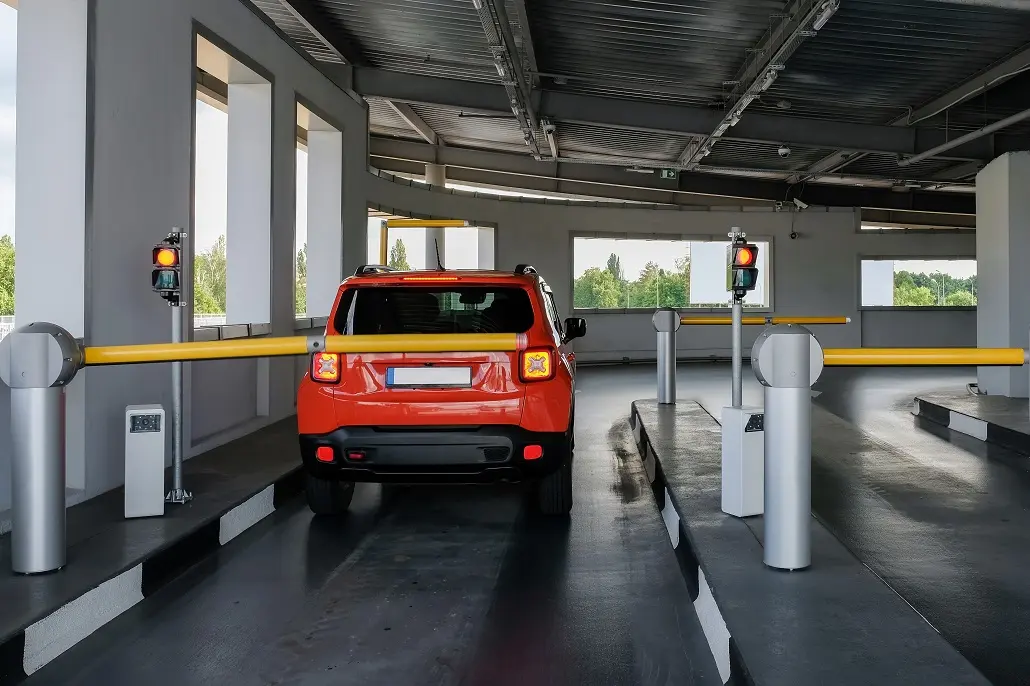
Introduction: The Role of a Parking Lot in Modern Spaces
A parking lot is more than just a place for vehicles to rest. It serves as a critical component of urban design, commercial property planning, and overall accessibility. For businesses, residential complexes, and public facilities, a well-designed parking lot enhances convenience, safety, and operational efficiency. Conversely, poorly planned or maintained parking lots can cause traffic congestion, safety hazards, and frustration for drivers and pedestrians alike.
Beyond the basic purpose of providing space for vehicles, parking lots influence the overall perception of a property. They impact first impressions, user satisfaction, and even property value. Therefore, investing in a properly designed and maintained parking lot is essential for safety, functionality, and long-term performance.
Planning Considerations for a Parking Lot
Creating an efficient parking lot begins with careful planning. Key considerations include traffic flow, space layout, accessibility, lighting, and safety features. Designers must consider the types of vehicles expected, peak usage times, and potential future expansion. Proper planning ensures smooth operations and minimizes the risks of accidents or congestion.
Traffic flow is particularly important. A well-organized parking lot allows vehicles to enter, park, and exit without unnecessary bottlenecks. Clear directional markings, signage, and designated pedestrian pathways enhance safety and improve user experience. Planning also involves compliance with local regulations, accessibility standards, and zoning requirements.
Design Principles for Maximum Efficiency
A functional parking lot incorporates design principles that maximize both safety and capacity. Key principles include:
- Optimal Layout – Rows, aisles, and spaces must be arranged to ensure easy maneuverability and minimize traffic conflicts.
- Adequate Space – Spaces should accommodate different vehicle sizes, including larger SUVs or trucks, without restricting access.
- Effective Lighting – Proper illumination improves visibility, deters crime, and enhances safety during night hours.
- Accessible Pathways – Clearly marked pedestrian walkways and ramps provide safe access for all users, including those with disabilities.
- Drainage and Pavement Design – Proper grading and durable materials prevent water accumulation, reduce maintenance needs, and extend the life of the lot.
Incorporating these principles ensures that a parking lot functions efficiently while providing a safe and convenient experience for all users.
Safety Considerations in a Parking Lot
Safety is a critical factor in any parking lot design. Accidents often occur due to poorly marked spaces, inadequate lighting, or obstructed sightlines. Pedestrian safety must also be prioritized, with designated walkways, crosswalks, and speed control measures.
Security is another consideration. Surveillance cameras, emergency call stations, and proper lighting deter theft and vandalism, providing peace of mind for users. A secure, well-maintained parking lot reduces liability for property owners while enhancing user confidence.
Maintenance Strategies for Longevity
A parking lot requires regular maintenance to remain functional and safe. Pavement can deteriorate over time due to weather, heavy traffic, and natural wear. Regular inspections, crack sealing, resurfacing, and repainting of lines help extend the life of the lot and prevent costly repairs.
Maintenance also includes cleaning debris, managing drainage, and ensuring signage is clear and legible. Seasonal maintenance, such as snow removal or leaf clearance, is essential for preventing hazards. A proactive approach to maintenance ensures the parking lot remains safe, efficient, and visually appealing.
Economic Benefits of a Well-Designed Parking Lot
Investing in a quality parking lot yields economic benefits for property owners and businesses. Efficient design maximizes the number of usable spaces, improving revenue potential for commercial properties. Well-maintained lots attract more customers and tenants, enhancing property value and reputation.
Operationally, a smooth-flowing parking lot reduces traffic delays, vehicle damage, and insurance claims. In the long term, thoughtful investment in design, construction, and maintenance reduces repair costs and maximizes the lifespan of the facility.
Environmental and Sustainable Considerations
Modern parking lots increasingly incorporate sustainable design practices. Permeable pavements, proper drainage, and green landscaping minimize environmental impact by reducing runoff and heat accumulation. Installing energy-efficient lighting and solar-powered systems further supports sustainability.
Additionally, environmentally conscious design encourages safer and more efficient traffic flow, reducing unnecessary idling and emissions. A parking lot designed with sustainability in mind contributes to the well-being of the community and promotes responsible property management.
Technology Integration in Parking Lot Management
Technology is revolutionizing parking lot operations. Automated entry and exit systems, real-time occupancy tracking, and mobile payment options streamline the parking process. Drivers can locate available spaces quickly, reducing congestion and improving user satisfaction.
For property managers, technology offers operational insights. Analytics can track usage patterns, identify high-demand areas, and inform future expansions. Incorporating technology in parking lot management enhances efficiency, convenience, and safety for both drivers and operators.
Addressing Common Challenges
Parking lots face challenges such as congestion, illegal parking, poor drainage, and security concerns. Addressing these issues requires proactive planning, proper design, and ongoing management. Solutions include:
- Clearly marked spaces and directional signage
- Regular maintenance and inspections
- Adequate lighting and surveillance
- Use of technology to monitor occupancy and traffic patterns
By addressing these challenges, property owners can ensure that their parking lot operates safely and efficiently, providing a positive experience for users.
Planning for the Future
The demand for parking continues to evolve with urban development, increased vehicle ownership, and changing mobility patterns. Future parking lots may include multi-level structures, electric vehicle charging stations, and automated parking systems. Flexible design allows for adaptation to emerging trends and technologies, ensuring long-term functionality.
Long-term planning also considers user experience, safety, and sustainability. By integrating forward-thinking strategies, property owners can create a parking lot that meets current needs while accommodating future growth.
Conclusion: The Strategic Value of a Parking Lot
A parking lot is a vital asset for any property, serving as a hub of convenience, safety, and accessibility. Proper design, strategic planning, and regular maintenance ensure that it operates efficiently, enhances user experience, and supports property value. From safety features and traffic flow to sustainability and technology integration, every aspect contributes to the overall effectiveness of the facility.
Investing in a well-designed and maintained parking lot provides long-term benefits for property owners, users, and the community. By prioritizing functionality, safety, and sustainability, a parking lot becomes more than just a space for vehicles—it becomes a key component of property planning, operational efficiency, and overall user satisfaction