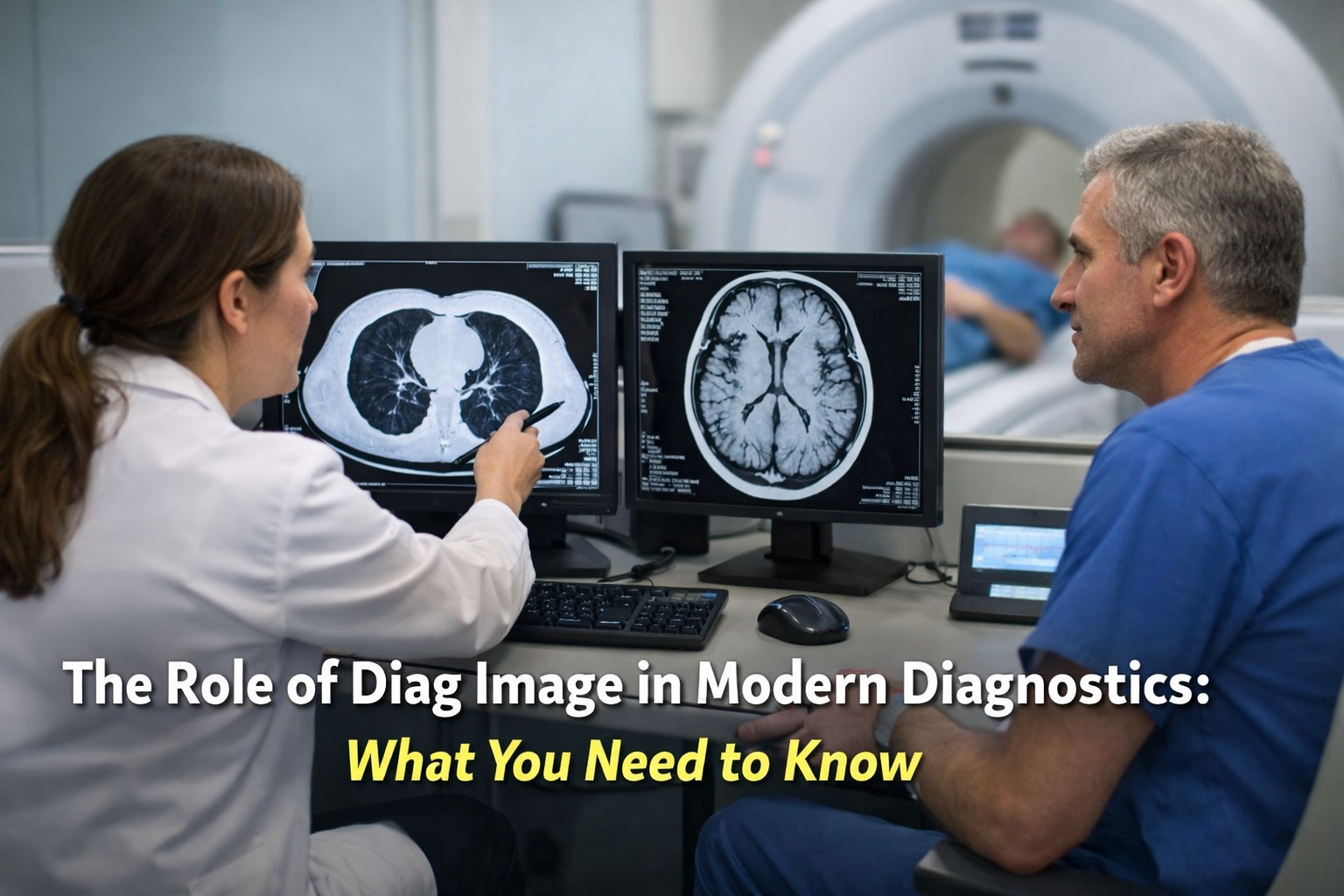
The world of diagnostics is evolving rapidly, and at the forefront of this transformation is Diag Image technology. This innovative approach has revolutionized how healthcare professionals visualize and interpret medical conditions. Gone are the days of guesswork; today, precise images lead to informed decisions that can save lives. Whether you’re a healthcare professional or simply curious about modern medicine, understanding Diag Image technology is essential. Let’s dive into its significance, applications, and future in our increasingly digital landscape.
Understanding Diag Image Technology
Diag Image technology refers to advanced imaging techniques that enhance the diagnostic process. Utilizing specialized equipment, it captures detailed images of internal structures and conditions within the body. This clarity allows healthcare professionals to analyze potential issues with greater accuracy.
The integration of digital tools has streamlined image processing and storage, making access easier for medical teams. With high-resolution visuals at their fingertips, clinicians can make better-informed decisions while improving patient outcomes in various scenarios.
Common Diag Imaging Modalities
Diag imaging encompasses several modalities, each with unique strengths. X-rays are often the first choice for viewing bone fractures, while CT scans provide detailed cross-sectional images of organs and tissues.
MRI offers high-resolution images without radiation exposure, making it ideal for soft tissue evaluation. Ultrasound is another powerful tool, especially in obstetrics and cardiology, using sound waves to visualize internal structures. Each modality plays a crucial role in delivering accurate diagnoses across various medical scenarios.
How Diag Imaging Empowers Early and Accurate Diagnoses
Diag imaging plays a crucial role in modern healthcare by facilitating early and accurate diagnoses. By providing detailed visualizations of internal structures, it allows physicians to detect conditions that may otherwise go unnoticed until they progress.
This technology enables timely intervention, improving patient outcomes significantly. With the ability to identify abnormalities at their earliest stages, diag imaging fosters proactive treatment plans tailored to individual needs, ultimately enhancing the quality of care patients receive.
Real-Life Applications of Diag Image Technology
Diag image technology is revolutionizing how healthcare professionals approach patient care. Hospitals use advanced imaging techniques to identify conditions like tumors, fractures, and internal bleeding swiftly and accurately.
Beyond healthcare, industries such as manufacturing leverage diag images for quality control. They inspect products at every stage of production to ensure safety and compliance with standards. This versatility highlights the wide-reaching impact of diag image technology across various fields, enhancing efficiency and accuracy in diagnostics.
The Technology Powering Diag Image Systems
The technology behind Diag Image systems is continually evolving, driven by innovations in hardware and software. Advanced algorithms enhance image resolution and clarity, allowing for precise analysis of diagnostic images.
Powerful computing capabilities play a crucial role in processing large volumes of data quickly. Integration with artificial intelligence further optimizes diagnostics, enabling systems to learn from each interaction and improve their accuracy over time. This synergy between technology and medicine enhances the overall effectiveness of healthcare delivery.
The Critical Importance of Diagnostic Accuracy
Diagnostic accuracy is essential in healthcare. Accurate diagnoses lead to appropriate treatments, improving patient outcomes and safety. Errors can result in serious consequences, including misdiagnoses that may harm patients.
In the realm of diag imaging, precision matters immensely. Advanced technologies enhance clarity and detail, allowing healthcare professionals to make informed decisions. The integration of high-quality diag images ensures that practitioners can trust their assessments, ultimately fostering a more effective healthcare environment where patients receive the best possible care tailored to their needs.
Challenges and the Future of Diag Image Technology
Diagnostic imaging faces several challenges, including high costs and the need for specialized training. As technology evolves, integrating new modalities can be complex and resource-intensive.
However, the future looks promising with advancements in AI and machine learning enhancing diagnostic accuracy. These innovations hold potential to streamline processes and improve patient outcomes. Increased accessibility will also allow more healthcare providers to adopt diag image technology, making it an essential tool in modern diagnostics.
Importance of Diag Images in Diagnosis
Diag images play a crucial role in modern diagnosis by providing visual insights into the human body. These images allow healthcare professionals to identify abnormalities, monitor disease progression, and tailor treatment plans effectively.
By revealing conditions that may not be apparent through physical examinations alone, diag images enhance diagnostic accuracy. This empowers clinicians with vital information, ultimately improving patient outcomes and fostering timely interventions when needed most.
Advancements in Diag Imaging Technology
Recent advancements in diag imaging technology have transformed the diagnostic landscape. Enhanced resolution and faster processing times allow healthcare professionals to detect conditions earlier than ever before.
Innovations like 3D imaging and automated analysis are streamlining workflows, making it easier for radiologists to interpret results accurately. With machine learning algorithms improving image recognition, these tools are becoming indispensable in modern medicine. The future promises even more breakthroughs, further enhancing patient care and diagnosis efficiency.
Safety Considerations
Safety is paramount when using diag image technology. Ensuring patient comfort and minimizing exposure to radiation are top priorities. Advanced techniques help reduce risks, but professionals must remain vigilant.
Proper training for technicians can mitigate errors in interpretation. Regular equipment maintenance also enhances safety by ensuring optimal performance. Patients should feel informed about procedures, fostering trust between them and healthcare providers. This transparency is critical in addressing any concerns regarding their diagnostics journey.
Real-World Example: Diag Image in Use
A 45-year-old woman visits her doctor with persistent abdominal pain. Traditional exams haven’t pinpointed the issue, so a diag image is ordered. The advanced imaging technique reveals a small gallstone obstructing her bile duct.
Thanks to diag image technology, the physician can now plan an effective treatment strategy. This example highlights how diag images can provide crucial insights that may otherwise go unnoticed, leading to timely and precise interventions in patient care.
Future of Diag Images in AI and IoT
The future of diag images lies in the integration of artificial intelligence and the Internet of Things. These technologies promise to enhance image analysis, making it faster and more accurate. AI algorithms can sift through vast amounts of data, identifying patterns that may elude human eyes.
Moreover, IoT connectivity enables real-time sharing and remote consultations. This means that healthcare providers can access diag images instantly from anywhere, improving collaboration and patient outcomes significantly. The synergy between these innovations opens up exciting possibilities for diagnostics.
Unique Applications of Diag Image Across Industries
Diag image technology finds unique applications beyond traditional healthcare. In the manufacturing sector, it aids in quality control by detecting flaws in production lines, ensuring safety and consistency.
In agriculture, diag imaging helps monitor crop health through remote sensing. Farmers can identify issues early on, optimizing yields and minimizing pesticide use. These innovative uses demonstrate how diag images can enhance efficiency and accuracy across various industries, driving advancements that benefit both businesses and consumers alike.
Creating Your Own Diag Image
Creating your own Diag Image is becoming increasingly accessible thanks to advancements in technology. Many platforms now offer tools that allow users to generate and edit diagnostic images suitable for various applications.
Whether you’re a healthcare professional looking to enhance patient care or an engineer designing innovative systems, understanding the basics of Diag Image creation can be invaluable. Explore tutorials and courses tailored to help you master this skill.
As technology evolves, the ability to create high-quality diagnostic images will only improve. This empowers individuals across multiple fields to leverage these resources effectively, driving progress in diagnostics and beyond.