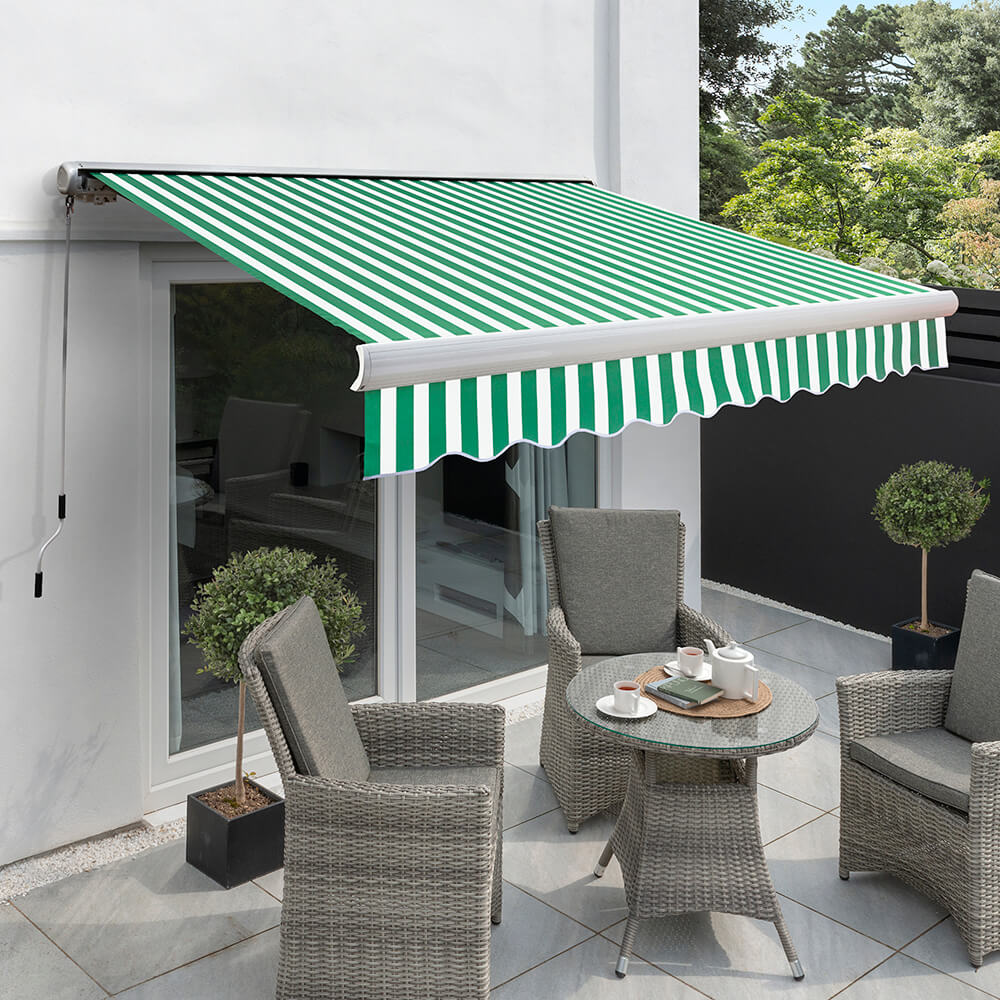
Modern outdoor living has evolved far beyond simple patios and open decks. Homeowners and business owners alike are now investing in functional yet visually appealing solutions that improve comfort, protect property, and elevate overall aesthetics. Among these solutions, awnings stand out as one of the most versatile and practical additions to any building. They blend design and utility in a way few exterior features can, offering shade, protection, and character without demanding major structural changes.
Awnings have been used for centuries, yet their relevance has only increased in today’s climate-conscious and design-focused world. From shielding interiors against harsh sunlight to creating inviting outdoor spaces, awnings provide benefits that extend well beyond their initial purpose. Understanding how they work, what options are available, and why they are worth considering can help property owners make informed and rewarding decisions.
The Purpose and Practicality of Awnings
At their core, awnings are exterior coverings attached to buildings, typically positioned over windows, doors, patios, or walkways. Their primary function is to provide shade, but their practical value extends much further. By blocking direct sunlight, awnings help regulate indoor temperatures, reducing heat gain during warmer months. This not only enhances comfort but also decreases reliance on air conditioning systems, leading to noticeable energy savings over time.
Beyond temperature control, awnings protect interior furnishings from sun damage. Prolonged exposure to ultraviolet rays can cause furniture, flooring, artwork, and fabrics to fade or deteriorate. A well-placed awning acts as a barrier, preserving the quality and lifespan of interior décor. For businesses, this protection can be especially valuable, as it helps maintain a professional and welcoming appearance.
Outdoor areas also benefit significantly from awnings. Patios, decks, and seating areas become usable even during intense sunlight or light rain, extending the time people can comfortably spend outdoors. This added usability can transform underutilized spaces into favorite gathering spots for relaxation, dining, or socializing.
Aesthetic Appeal and Architectural Harmony
While functionality is crucial, the visual impact of awnings should not be underestimated. Awnings can dramatically enhance a building’s exterior by adding color, texture, and dimension. When thoughtfully chosen, they complement architectural styles rather than overpower them. Whether the structure is traditional, contemporary, or somewhere in between, there is an awning design that can harmonize with its aesthetic.
Fabric awnings, for example, offer a wide range of colors and patterns, allowing for creative expression. Metal or aluminum awnings provide a sleek, modern appearance and are often favored for their durability and low-maintenance qualities. Retractable designs offer flexibility, allowing users to extend or retract the awning depending on weather conditions or personal preference.
For commercial properties, awnings also serve as subtle branding tools. Custom colors or printed logos can reinforce brand identity while simultaneously providing shade and protection for customers. This dual purpose makes awnings a smart investment for storefronts, cafés, and offices looking to enhance curb appeal.
Materials and Design Options
The effectiveness and longevity of an awning largely depend on the materials used in its construction. Fabric awnings are popular for their versatility and aesthetic appeal. Modern fabrics are typically treated to resist fading, mildew, and water penetration, making them far more durable than earlier generations. Acrylic and polyester fabrics are commonly used due to their strength and color retention.
Metal awnings, often made from aluminum or steel, are prized for their durability and minimal upkeep. They are particularly suitable for areas exposed to harsh weather conditions, as they can withstand wind, rain, and snow with ease. While they may offer fewer color options than fabric awnings, their clean lines and sturdy construction appeal to many property owners.
Retractable awnings introduce an additional layer of convenience. Available in both manual and motorized versions, they allow users to adjust coverage as needed. On sunny days, the awning can be extended to provide shade, and during cooler or cloudy conditions, it can be retracted to let in natural light. Motorized models often include sensors that automatically respond to weather changes, adding a touch of modern sophistication.
Energy Efficiency and Environmental Benefits
One of the most compelling reasons to invest in awnings is their contribution to energy efficiency. By shading windows and doors, awnings significantly reduce solar heat gain. This can lower indoor temperatures by several degrees, especially in rooms with large windows or glass doors. As a result, air conditioning systems do not have to work as hard, leading to reduced energy consumption and lower utility bills.
From an environmental perspective, this reduction in energy use translates to a smaller carbon footprint. In an era where sustainability is increasingly important, awnings offer a simple yet effective way to make buildings more eco-friendly. They achieve this without requiring complex technology or extensive renovations, making them accessible to a wide range of property owners.
Additionally, awnings encourage the use of outdoor spaces, which can reduce the need for indoor climate control during mild weather. By creating comfortable shaded areas outside, people may choose to spend more time outdoors rather than relying on indoor cooling or heating.
Increasing Property Value and Usability
Well-designed awnings can enhance the overall value of a property. They add a layer of functionality that prospective buyers or tenants often appreciate, particularly in regions with strong sunlight or variable weather. Outdoor spaces that are shaded and protected are seen as extensions of the living area, increasing the usable square footage of a home or business.
For commercial properties, awnings can directly influence customer behavior. Shaded entrances and outdoor seating areas create a more inviting atmosphere, encouraging people to linger longer. This can be especially beneficial for restaurants, cafés, and retail spaces where customer comfort directly impacts revenue.
Residential properties also benefit from this added usability. Families can enjoy outdoor meals, relaxation, or playtime without worrying about excessive sun exposure. Over time, these experiences contribute to a higher perceived value of the property.
Customization and Professional Installation
Every building is unique, and awnings should be tailored to fit both functional needs and aesthetic preferences. Customization options include size, shape, color, material, and operating mechanism. Working with experienced professionals ensures that the awning is designed to provide optimal coverage while complementing the structure’s architecture.
Proper installation is critical to the performance and longevity of an awning. A poorly installed awning may not provide adequate shade, could be vulnerable to wind damage, or may detract from the building’s appearance. Professional installers assess factors such as sun angles, wind exposure, and structural support to ensure the awning performs as intended.
During the selection process, many people begin their research online, often searching for solutions using phrases like awnings near me to explore available styles, materials, and service providers. This initial exploration helps narrow down options and identify designs that align with specific needs and budgets.
Maintenance and Longevity
Awnings are relatively low-maintenance, but regular care can significantly extend their lifespan. Fabric awnings benefit from periodic cleaning to remove dirt, debris, and mildew. Most modern fabrics are designed to resist staining, making maintenance straightforward with mild soap and water.
Metal awnings typically require even less upkeep, though occasional inspections for rust or loose fasteners are advisable. Retractable awnings should be checked periodically to ensure that moving parts function smoothly and that the fabric rolls evenly.
With proper care, high-quality awnings can last many years, providing ongoing value and enjoyment. Investing in durable materials and professional installation from the outset often reduces long-term maintenance costs and ensures consistent performance.
Making Informed Decisions
Choosing the right awning involves balancing aesthetics, functionality, budget, and long-term goals. It is important to consider how the awning will be used, the level of maintenance desired, and the overall look one wishes to achieve. Consulting with professionals and reviewing product options carefully can help avoid common pitfalls and lead to more satisfying outcomes.
As people compare options and gather inspiration, they may again turn to searches like Awnings near me to find examples, reviews, and expert guidance. This step often provides valuable insights into what works well in similar settings and helps refine final decisions.
The Lasting Impact of Quality Awnings
Awnings are more than simple accessories; they are practical investments that enhance comfort, efficiency, and visual appeal. By providing shade, protecting interiors, and creating usable outdoor spaces, they improve daily living and working environments. Their ability to blend seamlessly with architectural styles makes them suitable for a wide range of properties, from cozy homes to bustling commercial spaces.
When thoughtfully selected and properly installed, awnings deliver benefits that extend far into the future. They contribute to energy savings, increase property value, and create environments that people genuinely enjoy. For those seeking a balance of form and function, awnings remain one of the most effective and elegant solutions available.Ultimately, the journey toward selecting the perfect awning often begins with curiosity and research, sometimes sparked by a simple search such as Awnings near me. From that first step to final installation, the process reveals just how transformative a well-designed awning can be, offering lasting comfort, protection, and style for years to come.