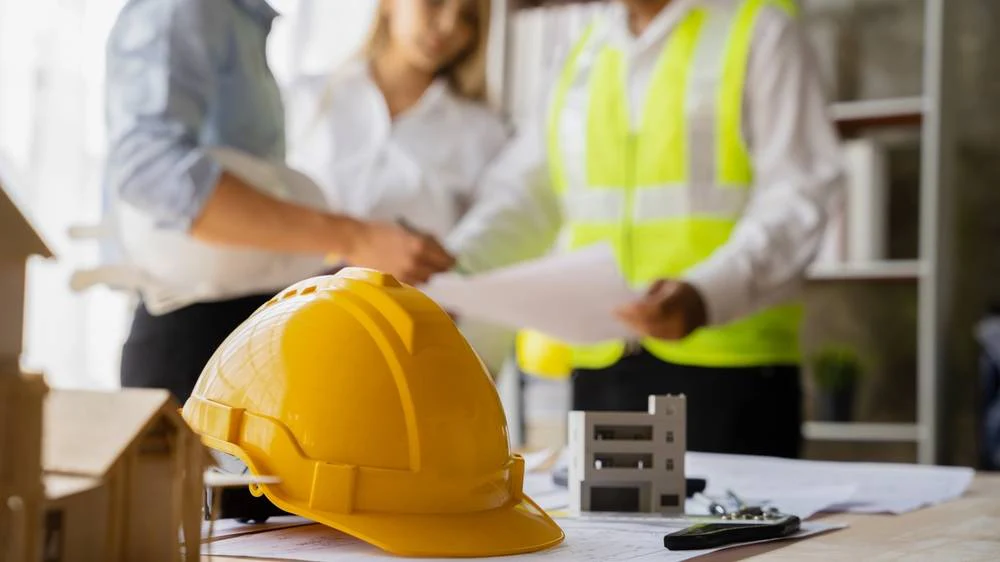
Managing a construction project, whether residential, commercial, or industrial, is a complex process that requires careful planning, coordination, and execution. Success depends largely on the expertise of a general contractor, who oversees the project from concept to completion. Understanding the responsibilities, benefits, and process of hiring a general contractor can make a significant difference in achieving your construction goals efficiently and effectively says State Property Management experts. This comprehensive guide explores every aspect of working with a general contractor, from their key responsibilities to choosing the right professional for your project.
What is a General Contractor?
A general contractor is a professional responsible for supervising all aspects of a construction project. Unlike specialized contractors, such as electricians or plumbers, a general contractor ensures that the entire project is completed according to plan, on time, and within budget. They serve as the central point of communication between clients, architects, engineers, subcontractors, and suppliers.
The role of a general contractor includes scheduling work, managing labor, sourcing materials, monitoring quality, and ensuring compliance with building codes and safety regulations. They also act as problem-solvers when unforeseen issues arise, such as delays, supply shortages, or design changes. The expertise of a general contractor allows property owners to have a single point of accountability for the success of their project.
Key Responsibilities of a General Contractor
The primary responsibility of a general contractor is project management. They create a detailed timeline, coordinate tasks, and ensure each stage of construction is completed efficiently. Effective project management minimizes delays and keeps the project on schedule, which is essential for maintaining budget control and client satisfaction.
A general contractor also coordinates subcontractors. Construction projects often involve multiple trades, including carpentry, plumbing, electrical work, and masonry. The contractor ensures that all subcontractors work together seamlessly, preventing conflicts and maintaining quality standards.
Budget management is another critical responsibility. General contractors prepare detailed cost estimates, monitor spending, and recommend cost-effective alternatives. They help clients avoid overspending while maintaining the quality and integrity of the project.
Safety management is an additional key role. Construction sites are inherently hazardous, and general contractors are responsible for enforcing safety protocols and ensuring compliance with occupational safety regulations. By maintaining a safe environment, they protect workers, clients, and visitors from accidents and reduce legal risks.
Benefits of Hiring a General Contractor
Hiring a general contractor provides numerous advantages for property owners. First, they bring professional expertise and experience. Skilled contractors have a thorough understanding of construction processes, building codes, and project management techniques. This knowledge allows them to anticipate challenges, implement solutions efficiently, and maintain high-quality standards.
Time management is another major benefit. Construction involves multiple interdependent tasks, and delays in one area can affect the entire project. A general contractor oversees scheduling, coordinates subcontractors, and ensures timely delivery of materials. Effective time management reduces stress for clients and ensures that projects are completed on schedule.
Cost efficiency is equally important. A general contractor monitors budgets, identifies cost-saving opportunities, and optimizes resource allocation. They can suggest alternative materials or construction methods that reduce expenses without compromising quality.
Safety is a crucial advantage. General contractors implement safety measures, enforce compliance, and manage risks associated with construction. Proper safety management protects workers and ensures that the project adheres to legal standards, reducing potential liabilities.
How to Choose the Right General Contractor
Selecting the right general contractor requires careful evaluation. Start by seeking recommendations from friends, colleagues, or industry professionals. Online reviews and professional associations can also provide insight into a contractor’s reputation and reliability.
Conduct interviews to assess experience, communication skills, and project management approach. Ask about previous projects, licensing, insurance, and strategies for handling unexpected challenges. A professional contractor will provide detailed answers, demonstrate transparency, and offer references from past clients.
Request written proposals and estimates. Compare costs, timelines, and scope of work to identify the contractor offering the best value. Detailed proposals reflect professionalism and reduce misunderstandings during the project.
Verify credentials and references. Ensure the contractor is licensed, insured, and bonded according to local regulations. Contact previous clients to learn about their experiences regarding quality, timeliness, and communication.
Finally, create a clear contract. The contract should outline project scope, timelines, payment schedules, materials, and procedures for addressing changes or disputes. A well-defined contract protects both parties and provides a roadmap for the project from start to finish.
Common Challenges in Construction Projects
Even with a skilled general contractor, construction projects may encounter challenges. Unexpected cost increases, caused by design changes, material price fluctuations, or unforeseen site conditions, are a common concern. A general contractor manages these challenges by offering alternative solutions, adjusting schedules, and identifying cost-effective approaches.
Delays are another frequent issue. Factors such as weather, subcontractor availability, or supply chain disruptions can affect timelines. A general contractor mitigates these risks through contingency planning, proactive communication, and schedule adjustments.
Quality control is essential to project success. A general contractor monitors every stage of construction, inspects subcontractor work, and ensures that all aspects meet or exceed industry standards. This oversight reduces the risk of defects, rework, and costly corrections.
Maximizing the Value of a General Contractor
To get the most from a general contractor, maintain open communication throughout the project. Regular meetings, progress reports, and site visits allow clients to monitor work, provide feedback, and address concerns promptly.
Collaboration is also key. Share your vision, preferences, and priorities with the contractor to ensure the project aligns with your expectations. A cooperative approach fosters trust, minimizes misunderstandings, and results in a successful outcome.
Planning for long-term durability adds additional value. A knowledgeable general contractor can recommend materials, construction methods, and designs that reduce future maintenance needs, lower operating costs, and enhance property value. Their advice ensures that the project not only meets immediate goals but also stands the test of time.
When to Hire a General Contractor
Hiring a general contractor is essential for projects that are large, complex, or involve multiple trades. Residential renovations, commercial construction, and industrial projects all benefit from professional oversight. Even smaller projects may require a general contractor if timelines are tight, specialized knowledge is needed, or coordination between multiple subcontractors is involved.
For DIY projects, a general contractor may not be necessary.However, for most professional construction endeavors, their expertise ensures efficiency, safety, and quality. Hiring a contractor early in the planning process allows them to contribute to design, budgeting, and scheduling decisions, maximizing the overall success of the project.
Trends in Construction and General Contracting
Modern construction projects increasingly emphasize sustainability and efficiency. General contractors now work with architects and engineers to incorporate eco-friendly materials, energy-efficient systems, and sustainable construction methods. This approach not only reduces environmental impact but also lowers long-term operating costs.
Technology is also shaping the role of general contractors. Tools such as project management software, 3D modeling, and Building Information Modeling (BIM) allow contractors to plan, visualize, and track projects more accurately. These innovations improve communication, reduce errors, and increase overall efficiency.
Adaptive reuse and renovation projects are gaining popularity. General contractors play a key role in repurposing existing structures, ensuring that renovations are safe, functional, and aesthetically appealing. This trend highlights the contractor’s ability to combine creativity with technical expertise to deliver innovative solutions.
Conclusion
A general contractor is a vital partner in any construction project. They manage schedules, coordinate subcontractors, oversee quality, and ensure safety, providing a single point of accountability from start to finish. By hiring a skilled general contractor, property owners gain expertise, efficiency, cost control, and peace of mind.
Choosing the right contractor involves research, interviews, proposal evaluation, credential verification, and a clear contract. Open communication, collaboration, and long-term planning maximize the value of their expertise, ensuring that projects are completed successfully and sustainably.
Whether building a new home, renovating an office, or managing a commercial project, a general contractor provides the guidance, knowledge, and management needed to turn visions into reality. Investing in professional oversight is an investment in quality, efficiency, and lasting value.