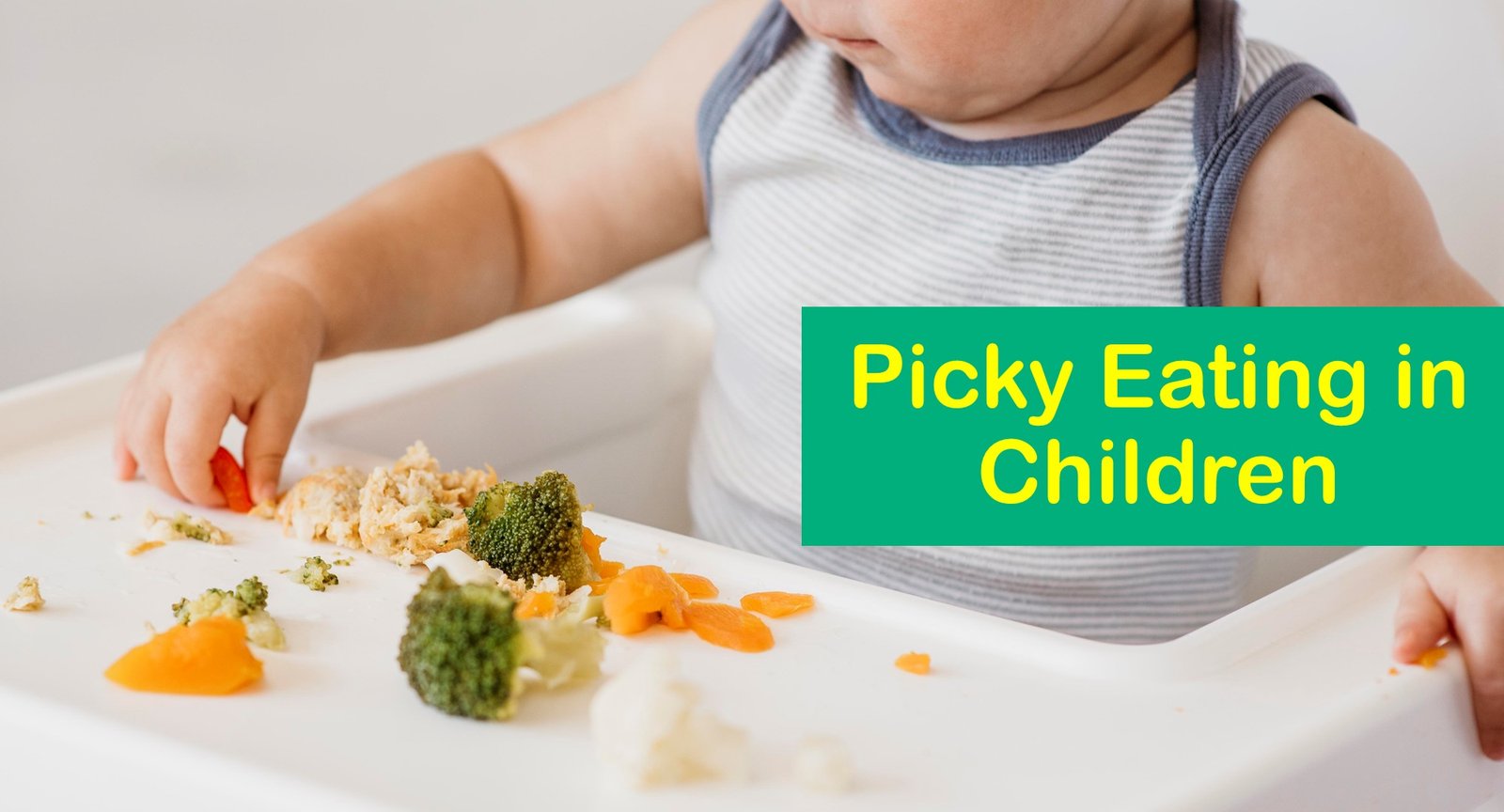
There’s a specific kind of chaos that happens when you’re travelling with a kid who only eats four things. Or you’ve just moved somewhere new, and you don’t know where anything is yet, the kitchen is still half in boxes, and your child is standing in the middle of the floor declaring that they’re starving but also that they won’t eat anything you currently have available.
Both of those situations are exhausting in their own way. And they tend to collide more than people expect, because moves and trips often happen around the same time in family life.
The good news is that vegetarian food actually travels and transitions better than most parents assume. A lot ofpicky eater mealsare already plant-based without anyone trying. Cheese quesadillas. Buttered pasta. Plain rice with soy sauce. Hummus and crackers. These aren’t compromises. They’re just food kids will actually eat. And when you lean into that instead of fighting it, the whole thing gets a lot less stressful.
Why Vegetarian Works for Picky Kids Specifically
Picky eating and vegetarian-friendly food overlap more than people realize. Kids who reject meat often do so for texture reasons, not ideology, and they usually have no problem with the building blocks of a solid vegetarian diet: eggs, cheese, beans, bread, pasta, and most things that can be dipped in something. The Academy of Nutrition and Dietetics notes that vegetarian children can develop normally and meet their nutritional needs when meals are planned with enough variety, which is reassuring if you’re wondering whether your kid is actually getting enough protein from their preferred diet of cheese and noodles.
The tricky part is finding meals that have enough nutritional variety without triggering a meltdown. That’s where a bit of planning helps, whether you’re packing for a road trip or stocking a kitchen in a new city.
On the Road
Travelling with a picky eater means thinking ahead, but it doesn’t mean packing an entire mobile kitchen. A few things that hold up well and appeal to kids who aren’t adventurous eaters: individual peanut butter packets, dry cereal, crackers with individual cheese portions, and trail mix if the kid will eat it. For longer trips where you’ll have fridge access, cooked pasta with olive oil and parmesan keeps for a day or two and reheats easily.
Restaurant situations are harder. The trick most parents figure out eventually is ordering strategically from whatever menu exists rather than searching for a restaurant with specifically kid-friendly options. Most places can do a cheese pizza, a plain pasta, or rice and beans even if it’s not listed. You just have to ask.
Breakfast is the meal that tends to work everywhere. Eggs, toast, yogurt, fruit. These are available in basically every country in some form and almost universally accepted by picky eaters. For more on keeping kids eating well while you’re moving between places, this guide to nourishing kids on the road covers a lot of the practical ground.
The Moving Context
This is where things get genuinely difficult. Short-notice movesare brutal for family routines, and food is usually the first thing to fall apart. The kitchen goes into boxes early, familiar grocery stores disappear, and you’re suddenly trying to feed children in an unfamiliar place with whatever you could find at a gas station or the nearest chain grocery.
Having a short list of reliable vegetarian meals that require minimal equipment helps a lot here. Things like canned soup, jarred pasta sauce over noodles, scrambled eggs, and cheese sandwiches. None of this is exciting, but it doesn’t need to be. The goal during a move is just feeding people without adding more stress.
Once you’re settled enough to actually use the kitchen, that’s when expanding the repertoire makes sense.
Getting More Variety In Without a Fight
The standard advice about exposure and patience is all true but slow. A few things that tend to work faster: hiding vegetables in things that already pass (pasta sauce is the classic, but smoothies work too if the kid will drink them), giving kids some actual choice in what gets made, and not making a big deal out of it when they try something new and like it.
The CDC’s Good Nutrition Starts Early resource suggests involving kids in food preparation as a way to increase willingness to try new things. This tracks with most parents’ experience. A kid who helped make something is marginally more likely to eat it. Not always. But sometimes.
Offering familiar formats with new ingredients helps too. If your child likes quesadillas, a black bean and cheese quesadilla is pretty much the same experience. Same with veggie-loaded fried rice versus plain rice. The format is familiar even if the contents shift a little.
What This Actually Looks Like Week to Week
You don’t need to overhaul anything. A few reliable meals that your kid will eat without protest, a couple of things you rotate in that have more variety, and something to fall back on when nobody has energy. That’s it. The goal isn’t perfection. It’s getting food into children with a reasonable amount of protein and vegetables and without a standoff at the dinner table every night.
Traveling and moving both stress that system. But they also tend to reset it a little. New places, new routines, and occasionally kids who are hungry enough from a long day to try something they’d normally refuse. It doesn’t always work out that way, but it happens often enough to be worth mentioning.