Gravel installation is a versatile and cost-effective solution for enhancing outdoor spaces, whether it is for driveways, pathways, landscaping, or decorative purposes. Gravel offers a unique combination of durability, low maintenance, and visual appeal, making it a popular choice for residential, commercial, and public properties. Unlike traditional paving materials, gravel provides natural drainage, flexibility, and adaptability, which allows property owners to create functional and attractive surfaces suited to various applications.
The importance of proper gravel installation cannot be overstated. A poorly installed gravel surface can lead to uneven areas, erosion, poor drainage, and frequent maintenance requirements. Conversely, professionally installed gravel enhances the longevity of outdoor spaces, ensures safety and accessibility, and adds aesthetic value to a property. With the right preparation, materials, and techniques, gravel surfaces can withstand heavy use, adverse weather conditions, and natural wear over time.
Key Steps in Gravel Installation
Gravel installation involves several essential steps to ensure a stable, long-lasting, and visually appealing surface. The process begins with planning and design, where property owners determine the purpose, size, and layout of the gravel area. Considerations such as drainage patterns, slope, accessibility, and surrounding landscaping features are addressed at this stage to avoid potential issues in the future.
Site preparation is the next critical step. This involves clearing the area of existing vegetation, debris, and topsoil. Depending on the intended use, heavy machinery may be required for grading and leveling the ground. Proper grading ensures that water drains away from structures and prevents pooling, which can erode the gravel and compromise the surface. A well-prepared base is the foundation of a successful gravel installation, ensuring durability and stability.
Following site preparation, a base layer of compacted material, often crushed stone or gravel, is installed. This base provides structural support, prevents shifting, and promotes proper drainage. The thickness of the base layer varies depending on the intended use, with driveways requiring thicker bases than decorative pathways. Compacting the base is essential to create a firm foundation that can withstand weight and resist erosion.
Once the base is in place, the top layer of gravel is spread evenly across the area. The choice of gravel size, color, and texture is influenced by both functional requirements and aesthetic preferences. Smaller gravel may be suitable for pathways and garden areas, while larger gravel is ideal for driveways and high-traffic zones. After spreading the gravel, it is leveled and compacted to create a smooth, uniform surface. Proper installation techniques prevent shifting, rutting, and uneven areas over time.
Types of Gravel for Installation
Gravel comes in a variety of types, each with specific characteristics suited to different applications. Pea gravel, known for its small, rounded stones, is popular for decorative purposes, garden paths, and patios. Crushed stone, with angular edges, offers stability and is commonly used for driveways, construction bases, and heavy-duty pathways. River rock, larger and smoother, provides a natural aesthetic for landscaping, water features, and erosion control.
The choice of gravel also impacts drainage, maintenance, and visual appeal. Lighter-colored gravel can brighten outdoor areas and reflect sunlight, while darker gravel provides contrast and highlights landscaping features. Selecting the appropriate gravel type is essential to achieving the desired functionality and aesthetic outcome.
Benefits of Gravel Installation
Gravel installation offers numerous benefits for property owners. One of the most significant advantages is durability. Properly installed gravel can withstand heavy traffic, extreme weather, and natural wear without cracking or deteriorating, unlike concrete or asphalt. Gravel surfaces are flexible, which allows them to adapt to soil movement and prevent structural damage over time.
Another major benefit is low maintenance. Gravel does not require frequent sealing, painting, or resurfacing. Occasional leveling, replenishing, and weed control are usually sufficient to maintain its appearance and functionality. Gravel also provides excellent drainage, reducing the risk of puddles, erosion, and water damage to surrounding areas. This feature makes it an environmentally friendly solution for managing stormwater and preventing runoff-related issues.
Aesthetically, gravel adds texture, color, and natural beauty to outdoor spaces. It complements landscaping elements such as plants, trees, retaining walls, and patios, enhancing the overall visual appeal of a property. Gravel can also be combined with other materials, such as concrete or pavers, to create striking designs, pathways, and outdoor living areas.
Applications of Gravel Installation
Gravel installation is versatile and suitable for a wide range of applications. Driveways are one of the most common uses, providing a durable, cost-effective, and visually appealing alternative to asphalt or concrete. Properly installed gravel driveways can support heavy vehicles while offering natural drainage and minimal maintenance.
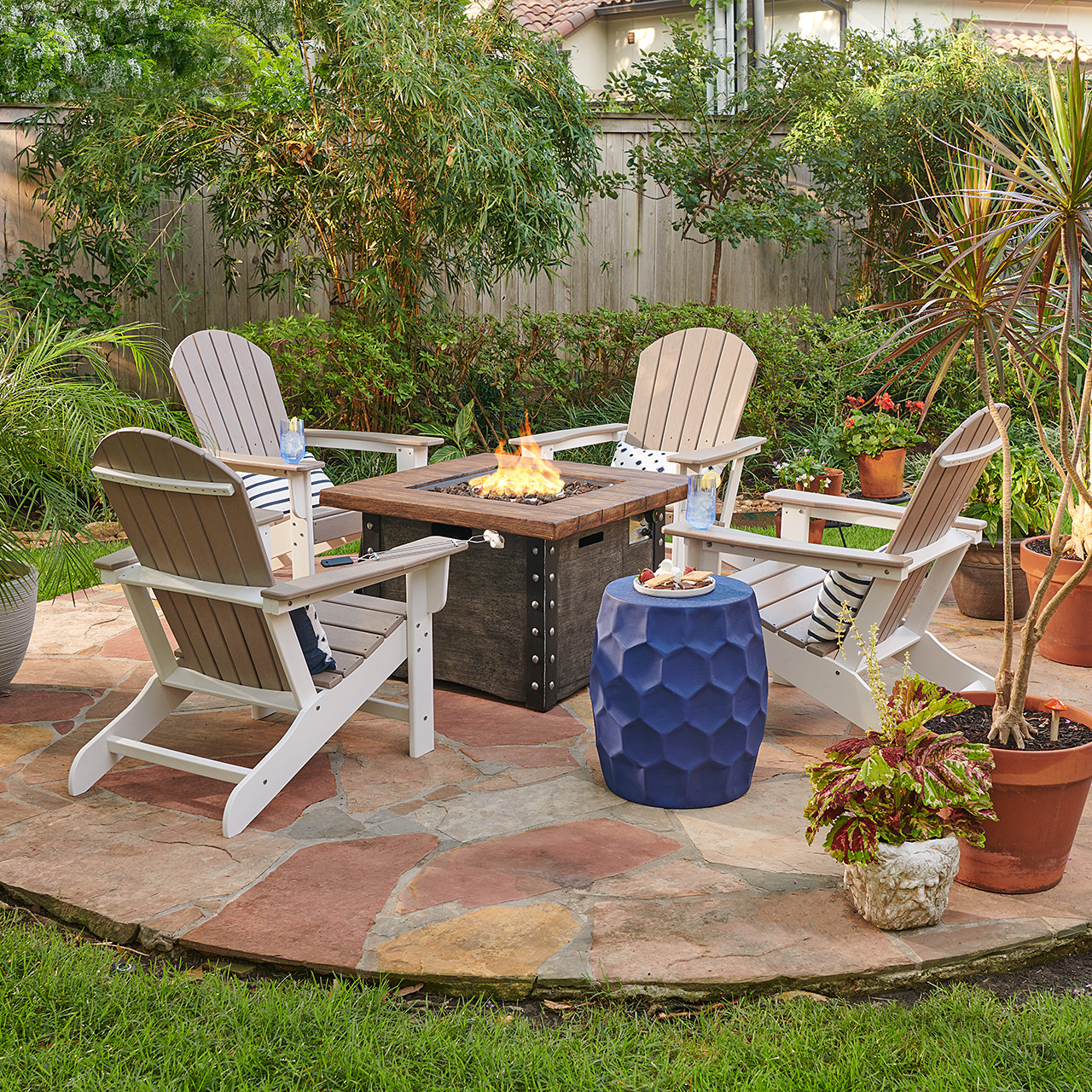
Pathways and garden trails benefit from gravel’s flexibility, aesthetics, and ease of installation. Gravel paths can meander through landscapes, creating inviting walkways that blend seamlessly with natural surroundings. Decorative gravel is ideal for patios, courtyards, and outdoor seating areas, providing a stable and visually appealing surface for furniture and foot traffic.
Gravel installation also serves functional purposes, such as erosion control, drainage management, and construction bases. It is used to stabilize slopes, prevent soil erosion, and facilitate water runoff in areas prone to flooding or heavy rainfall. In construction projects, gravel provides a solid foundation for structures, driveways, and roads, supporting long-term durability and stability.
Maintenance of Gravel Surfaces
While gravel surfaces are low maintenance, proper care ensures their longevity and functionality. Regular maintenance includes removing debris, weeds, and fallen leaves to prevent accumulation and erosion. Periodic leveling and replenishment of gravel may be required to address areas that have shifted, settled, or developed ruts.
Weed control is another important aspect of gravel maintenance. Installing a weed barrier fabric beneath the gravel during installation can reduce weed growth, while occasional application of environmentally friendly herbicides can prevent unwanted vegetation. Compaction of the gravel may also be necessary over time to maintain a stable and even surface.
Environmental Considerations
Gravel installation offers several environmental benefits. It promotes natural drainage, reducing runoff and preventing flooding in low-lying areas. Gravel surfaces are permeable, allowing water to infiltrate the soil, recharge groundwater, and support healthy plant growth. Unlike impervious surfaces such as concrete or asphalt, gravel contributes to sustainable landscaping practices and helps manage stormwater naturally.
Additionally, gravel is a recyclable and abundant material, making it an eco-friendly choice for construction and landscaping projects. Many property owners opt for locally sourced gravel to reduce transportation emissions and support environmentally responsible practices.
Common Challenges in Gravel Installation
Despite its advantages, gravel installation in Red Oak can present challenges. Uneven surfaces, shifting gravel, and erosion are common issues if the base is not properly prepared or compacted. Selecting the wrong type or size of gravel for a specific application can lead to instability, difficulty walking, or maintenance challenges. Proper planning, material selection, and professional installation are essential to overcoming these challenges and achieving a durable, functional, and visually appealing surface.
Another consideration is accessibility. Gravel surfaces may pose challenges for wheelchair users, bicycles, or strollers if not properly compacted or designed. Addressing these concerns during the planning and installation process ensures that the gravel surface meets the needs of all users while maintaining functionality and safety.
Conclusion
Gravel installation in Red Oak is a versatile, durable, and cost-effective solution for enhancing outdoor spaces. Whether used for driveways, pathways, landscaping, or decorative purposes, properly installed gravel provides long-lasting functionality, aesthetic appeal, and environmental benefits. From careful site preparation and base installation to selecting the appropriate gravel type and maintaining the surface, every step is essential to achieving a successful outcome.
With its low maintenance requirements, natural drainage properties, and adaptability, gravel offers property owners a practical and attractive alternative to traditional paving materials. Professional gravel installation ensures a stable, even, and visually appealing surface that can withstand heavy use, extreme weather, and natural wear over time. By investing in proper gravel installation, homeowners, businesses, and developers can transform outdoor spaces into functional, beautiful, and sustainable environments that enhance both usability and aesthetic appeal.