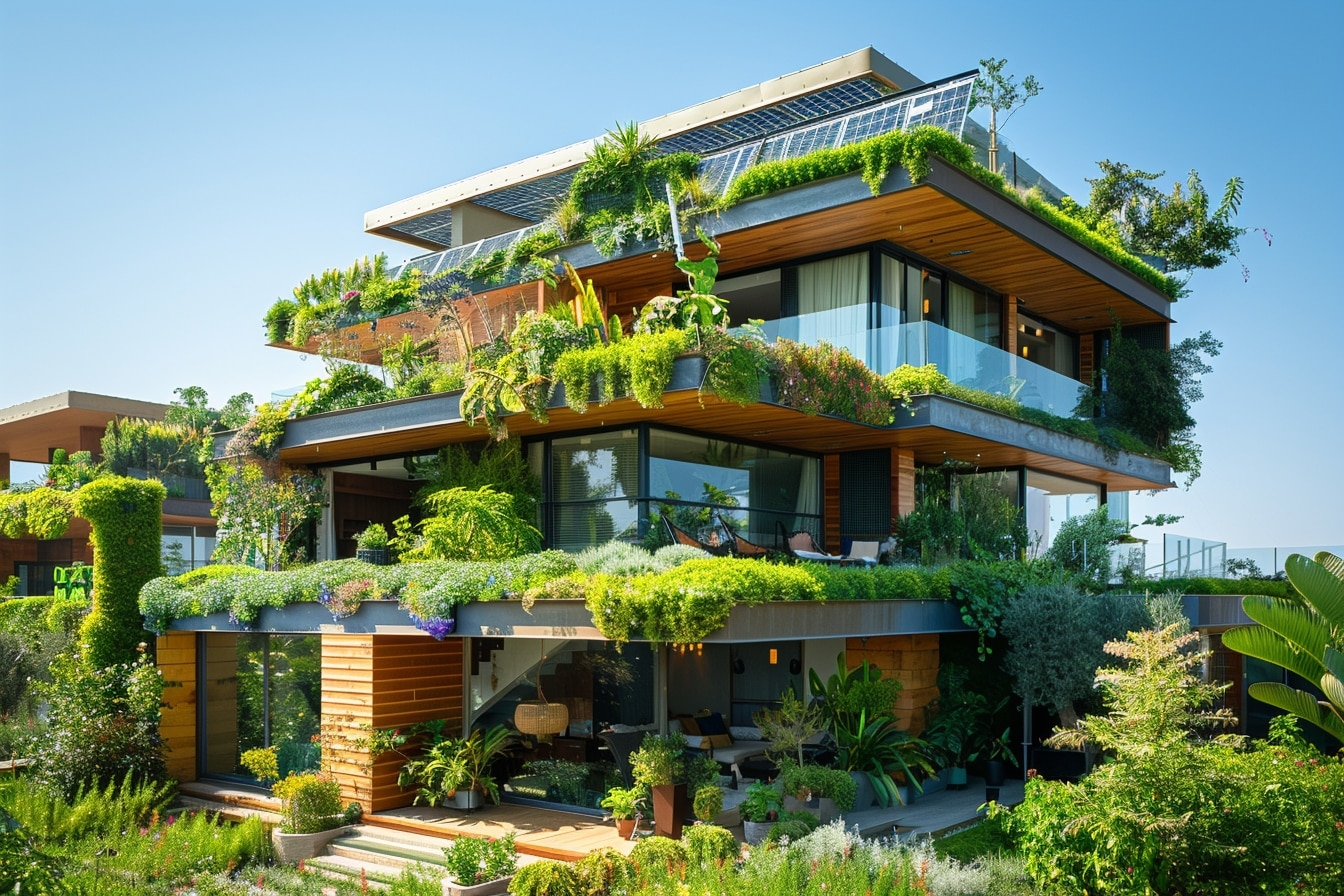
The demand for environmentally responsible homes has grown rapidly as homeowners, builders, and developers recognize the importance of sustainability, energy efficiency, and reduced environmental impact says McCaw Property Management specialists. Green construction and sustainable building practices prioritize resource efficiency, environmentally friendly materials, and innovative design strategies that minimize energy consumption while creating healthier, more comfortable living spaces. Implementing these practices not only benefits the environment but also provides long-term financial savings, increased property value, and improved occupant well-being. This guide provides a step-by-step overview of how to approach green construction and sustainable building for energy-efficient homes.
Understanding Green Construction
Green construction is a holistic approach to designing, building, and maintaining homes that reduces environmental impact while promoting energy efficiency and occupant health. It incorporates sustainable materials, renewable energy sources, water-saving measures, efficient waste management, and eco-friendly construction methods. The core principles of green construction include energy conservation, resource efficiency, waste reduction, improved indoor air quality, and thoughtful land use. By integrating these principles from the initial design phase, builders and homeowners can create homes that are environmentally responsible, cost-effective, and resilient to climate challenges.
Step 1: Site Selection and Planning
The first step in sustainable building is careful site selection and planning. Choosing a location that minimizes environmental disruption, preserves natural habitats, and provides access to public transportation reduces the home’s overall carbon footprint. Planners should evaluate soil quality, drainage, and exposure to sunlight and wind to optimize energy efficiency. Orientation of the building is critical; positioning the home to maximize natural light and passive solar heating reduces energy needs for lighting and temperature control. Additionally, planning for green landscaping, permeable surfaces, and water management strategies ensures minimal environmental impact while maintaining aesthetic appeal and functionality.
Step 2: Designing for Energy Efficiency
Energy-efficient design is a cornerstone of sustainable building. Architects and builders should incorporate insulation, high-performance windows, and airtight construction to reduce heat loss and gain. Passive design strategies, such as utilizing natural ventilation, shading, and thermal mass, enhance indoor comfort without relying heavily on mechanical systems. Incorporating energy-efficient appliances, LED lighting, and smart home technology further reduces energy consumption. Renewable energy options, such as solar panels, wind turbines, or geothermal systems, provide clean energy sources, decreasing reliance on fossil fuels and lowering utility costs. Energy modeling and performance simulations during the design phase can optimize energy use and identify opportunities for further efficiency improvements.
Step 3: Choosing Sustainable Materials
Selecting environmentally friendly building materials is essential for reducing the ecological footprint of a home. Sustainable materials are typically renewable, recycled, or responsibly sourced and have minimal environmental impact throughout their lifecycle. Examples include bamboo flooring, reclaimed wood, low-VOC paints, recycled steel, and sustainably harvested insulation products. Durable materials that require less frequent replacement reduce waste and long-term maintenance costs. Evaluating the embodied energy of materials—the total energy consumed during production, transportation, and installation—ensures that choices align with green construction principles. Additionally, prioritizing locally sourced materials minimizes transportation emissions and supports regional economies.
Step 4: Efficient Water Management
Water conservation is a critical aspect of sustainable home design. Installing low-flow faucets, showerheads, and toilets reduces indoor water consumption, while rainwater harvesting systems can supplement irrigation and other non-potable water needs. Incorporating greywater systems for recycling water from sinks and showers for landscaping purposes further enhances sustainability. Landscaping strategies that use native, drought-resistant plants reduce the need for supplemental irrigation, contributing to water efficiency and reducing strain on municipal water supplies. Proper drainage planning and permeable surfaces prevent erosion and water pollution, protecting local ecosystems and maintaining soil health.
Step 5: Waste Reduction and Recycling
Construction generates significant waste, but sustainable building practices emphasize waste reduction and recycling. Careful planning of material use, prefabrication, and modular construction techniques minimize excess waste on-site. Scrap materials should be sorted and recycled whenever possible, and builders should work with suppliers who have sustainable packaging and recycling programs. Implementing a waste management plan ensures that debris, concrete, wood, and other materials are responsibly disposed of, reducing landfill impact. Reusing salvaged materials in the project, such as reclaimed wood or metal, further enhances sustainability while adding unique aesthetic appeal to the home.
Step 6: Indoor Environmental Quality
Creating a healthy indoor environment is a priority in sustainable building. Proper ventilation systems, air purification, and moisture control prevent the buildup of pollutants, allergens, and mold. Using low-VOC paints, adhesives, and finishes reduces the emission of harmful chemicals, improving indoor air quality. Daylighting strategies, such as large windows and skylights, enhance natural illumination and reduce reliance on artificial lighting. Noise reduction measures, including insulation and strategic placement of mechanical systems, contribute to occupant comfort. Prioritizing indoor environmental quality ensures that sustainable homes are not only energy-efficient but also safe, comfortable, and conducive to well-being.
Step 7: Incorporating Smart Technology
Modern sustainable homes benefit from smart home technology that monitors and optimizes energy and water usage. Thermostats, lighting controls, energy monitors, and leak detection systems allow homeowners to track consumption and make adjustments that improve efficiency. Smart irrigation systems manage water use for landscaping based on weather conditions and soil moisture levels. By integrating technology into the home, occupants can maintain energy and water efficiency without constant manual intervention, further reducing environmental impact while enhancing convenience.
Step 8: Certification and Performance Evaluation
Many homeowners and builders seek third-party certification to validate the sustainability of their projects. Programs such as LEED (Leadership in Energy and Environmental Design), ENERGY STAR, or Green Globes provide frameworks for evaluating energy efficiency, material use, water management, and overall environmental impact. Certification ensures that construction meets rigorous sustainability standards and provides measurable performance metrics. Post-construction energy audits and performance evaluations help identify opportunities for ongoing improvement, ensuring that the home continues to operate efficiently over its lifespan.
Step 9: Maintenance and Longevity
Sustainable building does not end at construction. Proper maintenance and regular inspections ensure that energy-efficient systems, renewable energy sources, and eco-friendly materials continue to perform as intended. Regular cleaning, HVAC servicing, roof inspections, and updates to lighting or appliances preserve efficiency and prolong the life of the home. A proactive maintenance plan reduces unexpected repairs, lowers long-term operational costs, and reinforces the environmental benefits of sustainable construction practices.
ConclusionGreen construction and sustainable building offer homeowners and builders the opportunity to create environmentally responsible, energy-efficient, and comfortable living spaces. By carefully selecting a site, designing for energy efficiency, choosing sustainable materials, managing water and waste, prioritizing indoor environmental quality, incorporating smart technology, and maintaining ongoing performance, it is possible to significantly reduce the ecological footprint of a home. Sustainable building not only benefits the planet but also provides long-term financial savings, improved occupant health, and increased property value. Embracing these practices represents a commitment to environmentally responsible living while enjoying the functional, aesthetic, and economic advantages of a modern, energy-efficient home.