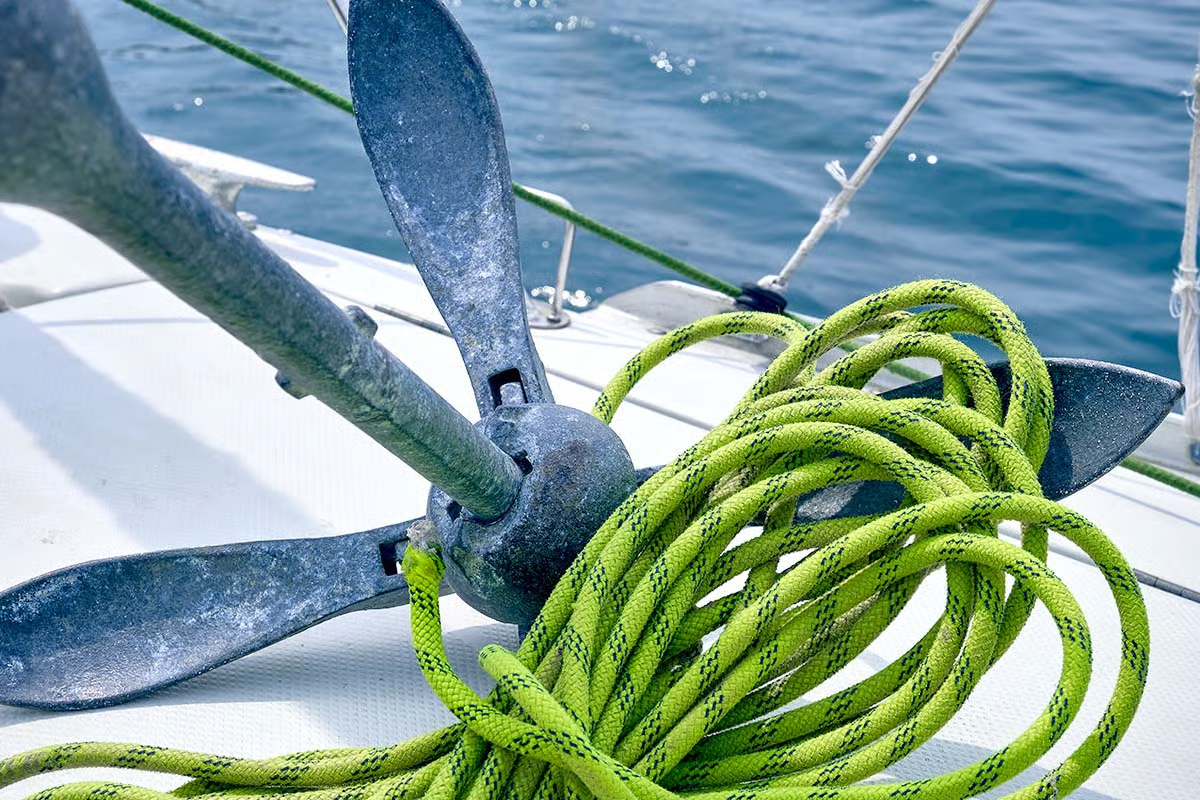
A boat anchor winch is a critical piece of equipment that makes anchoring easier, safer, and more efficient. However, like any marine gear, it is constantly exposed to harsh conditions such as saltwater, moisture, and heavy loads. Without proper maintenance, performance can quickly decline. A consistent care routine helps ensure your winch remains reliable whenever you need it.
Why Anchor Winch Maintenance Matters
Regular maintenance is essential for keeping your winch operating smoothly. It reduces the risk of failure during anchoring, extends the lifespan of the equipment, and helps maintain consistent performance.
Neglecting maintenance can lead to corrosion, mechanical wear, and electrical issues, all of which can become costly or even dangerous over time.
How Often Should You Maintain Your Anchor Winch?
Maintenance should be done at different intervals depending on usage. Basic care should be carried out after every use, especially in saltwater environments.
More detailed checks can be done monthly, while a thorough inspection and servicing should be performed annually. Boats that are used frequently or in harsher conditions may require more regular attention.
Basic Maintenance After Every Use
After each outing, rinsing your winch with fresh water is one of the most important steps. This helps remove salt, sand, and debris that can build up and cause corrosion over time. It is also a good idea to check for any visible dirt or buildup around the system. A quick inspection of the rope and chain ensures there are no signs of wear or damage.
Taking a moment to review your setup, including your electric boat anchor winch, can help you catch small issues early before they become bigger problems.
Monthly Maintenance Checklist
Inspect Rope and Chain
Check for fraying, rust, or any signs of damage. Worn components should be replaced promptly to maintain safe operation.
Check Mounting and Fasteners
Ensure all bolts and mounting points are secure. Loose fittings can affect performance and safety.
Test Operation
Run the winch under light load to confirm smooth operation. Listen for any unusual noises that may indicate wear or mechanical issues.
Electrical System Maintenance (For Electric Winches)
Inspect Wiring and Connections
Look for corrosion, loose connections, or damaged wiring. Keeping electrical components in good condition is essential for reliable performance.
Test Switches and Controls
Make sure all controls respond correctly and operate smoothly.
Check Battery Health
Ensure your battery is supplying consistent power. Weak batteries can affect winch performance.
Mechanical Maintenance
Lubricate Moving Parts
Apply marine-grade lubricant to moving components where recommended. This helps reduce friction and prevent wear.
Check Gear System
Inspect gears for smooth operation and signs of wear. Any grinding or resistance should be addressed promptly.
Inspect Drum or Gypsy
Make sure the drum or gypsy is clean and handling rope or chain correctly. Proper alignment helps prevent tangling and uneven wear.
Preventing Corrosion and Salt Damage
Saltwater is one of the biggest threats to marine equipment. Rinsing with fresh water after use is the best way to prevent buildup.
Using protective coatings and storing your equipment properly when not in use can also help extend its lifespan.
Common Signs Your Winch Needs Attention
Pay attention to warning signs such as slower operation, unusual noises, or difficulty handling rope and chain. Electrical issues or inconsistent performance can also indicate that maintenance is required.
Addressing these signs early can prevent more serious problems.
Common Maintenance Mistakes to Avoid
Skipping regular rinsing is one of the most common mistakes. Salt buildup can quickly lead to corrosion.
Using the wrong lubricant, ignoring early signs of wear, or overloading the winch can also reduce its lifespan and reliability.
When to Service or Replace Your Winch
If your winch shows signs of significant wear, corrosion, or repeated performance issues, it may be time for professional servicing or replacement.
Older systems that no longer perform reliably should be upgraded to ensure safety and efficiency.
Pro Tips to Extend Winch Lifespan
Using the correct rope and chain setup, operating within the winch’s rated capacity, and performing regular inspections can all help extend its lifespan.
Avoid unnecessary strain and always handle the system with care to maintain long-term performance.
Bottom Line
Maintaining your boat anchor winch does not have to be complicated, but it does require consistency. Simple habits like rinsing after use and performing regular checks can make a significant difference.
By staying proactive, you can ensure your winch remains dependable and ready for every trip on the water.