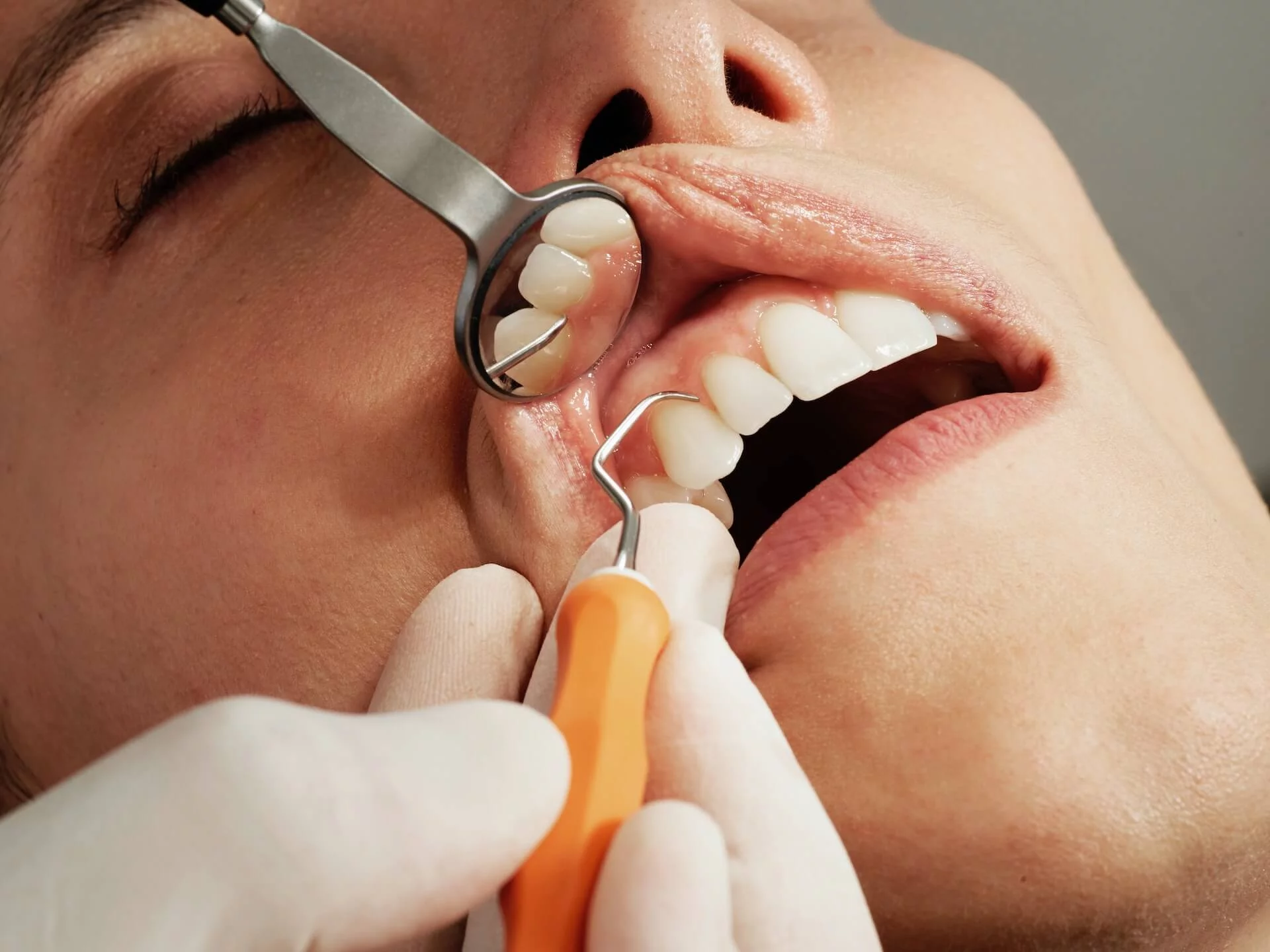
Professional dental cleanings are often viewed as a routine task, but their role goes far beyond making teeth look clean. Daily brushing and flossing are essential, yet they cannot remove all plaque and hardened buildup from the mouth. Over time, bacteria accumulate in hard-to-reach areas at home, especially along the gumline and between teeth. If left undisturbed, this buildup can irritate gums, contribute to decay, and affect overall oral comfort. Regular cleanings interrupt this process and help maintain stable gum health. Many people wonder how often these visits are truly necessary and whether everyone needs the same schedule. The answer depends on individual oral conditions, habits, and risk factors. Understanding how dental cleanings work and why timing matters helps people make informed decisions that protect both teeth and gums over the long term.
Cleaning Schedules Explained
- Why the Six-Month Guideline Exists
The commonly recommended six-month dental cleaning interval is based on how plaque and tartar typically develop in the average mouth. Plaque forms daily, but when it hardens into tartar, it cannot be removed with brushing alone. For many people, tartar buildup becomes a source of gum irritation within several months. Professional cleaning every six months helps remove this buildup before it causes lasting inflammation. This schedule also allows dental professionals to monitor subtle changes, such as early gum irritation or enamel wear, before they turn into larger problems. While six months works well for many patients, it is not a universal rule. Some people accumulate tartar more quickly due to saliva composition, crowding, or prior gum disease. Clinics such as Be Well Dental often adjust cleaning frequency based on individual gum response rather than relying on a fixed calendar. The six-month guideline is a baseline, not a limit.
- Factors That Change How Often You Need Cleanings
Not everyone’s mouth responds the same way to plaque and bacteria. Some people naturally produce more mineral-rich saliva, which causes plaque to harden faster. Others may have crowded teeth that trap food and bacteria more easily. Smoking, vaping, and certain medications can also increase plaque buildup or reduce the body’s ability to manage inflammation. People with a history of gum disease often need more frequent cleanings because bacteria can settle deeper under the gumline more quickly. Health conditions such as diabetes can also affect gum response, making inflammation harder to control. Pregnancy and hormonal changes may temporarily increase gum sensitivity and bleeding, which may require closer monitoring. These factors mean that one person may remain stable with two cleanings a year, while another may benefit from visits every three or four months. Frequency should match how the gums and teeth respond over time.
- Consistency Matters More Than Timing
Whether cleanings happen every three, four, or six months, the key is consistency. Regular removal of buildup prevents bacteria from settling long enough to cause more serious damage.
- What Happens When Cleanings Are Delayed
Skipping or delaying dental cleanings allows plaque and tartar to remain in place longer, giving bacteria time to irritate the gums. Early signs may include bleeding during brushing, redness along the gumline, or persistent bad breath. If buildup continues, gum pockets can deepen, making it harder to clean effectively at home. Over time, this can lead to gum recession and bone loss around the teeth. Once bone support is affected, the condition becomes harder to manage and may require more involved treatment. Delayed cleanings also reduce the chance of catching small cavities early, when treatment is simpler. Many people seek care only when discomfort appears, but gum disease often progresses without pain. Regular cleanings serve as a checkpoint, preventing silent issues from progressing unnoticed. Addressing buildup early protects comfort and reduces the risk of long-term damage.
- How Cleanings Support Long-Term Oral Stability
Professional cleanings do more than remove buildup; they support the balance of bacteria in the mouth. When harmful bacteria dominate, inflammation increases. Cleanings disrupt this cycle by removing the surfaces on which bacteria cling most readily. Over time, this helps keep gums firm and reduces the risk of chronic irritation. Cleanings also allow dental professionals to provide personalized feedback on brushing and flossing techniques. Small adjustments, such as angling the brush or using specific tools between teeth, can significantly improve results. For people with crowns, bridges, or orthodontic appliances, cleanings are especially important because these structures create additional plaque accumulation sites. Regular visits help maintain these restorations and prevent complications that could shorten their lifespan.
- Finding the Right Schedule for You
The ideal dental cleaning schedule matches your oral health needs rather than following a generic rule. Dentists assess gum health by measuring pocket depth, observing inflammation, and reviewing your history of plaque buildup. If gums remain stable with minimal bleeding and shallow pockets, six-month visits may be sufficient. If inflammation returns quickly or pockets deepen, more frequent cleanings may be recommended temporarily. These adjustments are meant to stabilize gum health, not to create unnecessary appointments. Over time, frequency can often be reduced once the mouth responds well. Open communication with your dental provider ensures cleaning intervals are tailored to your gums and teeth, not just to a set schedule.
The Right Frequency Protects More Than Teeth
Professional dental cleanings are a preventive tool that protects gums, teeth, and overall oral comfort. While six-month visits are common, the right schedule depends on individual factors such as plaque buildup, gum response, health conditions, and habits. Regular cleanings prevent bacteria from settling long enough to cause deeper problems and allow early detection of changes that may not cause pain. Choosing a cleaning frequency that fits your needs helps maintain stable gum health and reduces the likelihood of complex treatment later.