Introduction
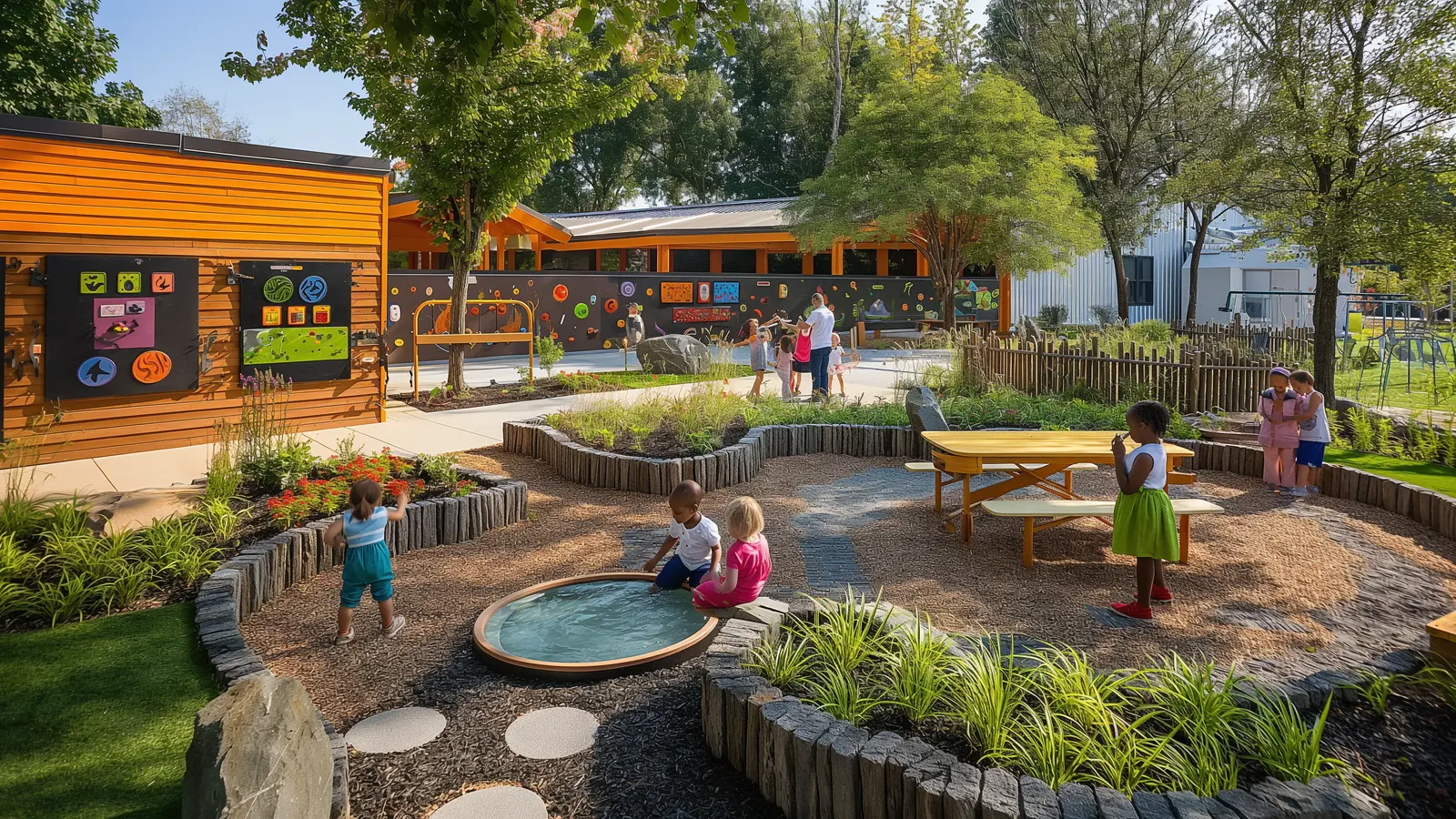
Playgrounds are more than just spaces for children to expend energy; they are hubs of creativity, social development, and physical growth. In recent years, playground painting has emerged as a critical tool in enhancing these recreational areas. Beyond simple aesthetics, the practice has far-reaching benefits that affect not only the visual appeal of playgrounds but also their functional and educational value. By incorporating playground painting, communities can create vibrant, safe, and engaging spaces that encourage active participation and imaginative play says Stringer Management.
Enhancing Safety and Durability
One of the primary advantages of playground painting is the improvement of safety standards. Playgrounds are exposed to constant wear and tear, weather conditions, and heavy usage by children. Quality paint can act as a protective layer on metal and wooden structures, preventing rust, decay, and splintering. Playground painting also allows for the use of non-toxic and slip-resistant coatings, which minimize the risk of accidents and injuries. By selecting durable paints specifically designed for outdoor use, playgrounds can maintain their structural integrity while providing a safe environment for children.
Stimulating Creativity and Imagination
Playground painting is not only about protection but also about creativity. Vibrant colors and playful designs stimulate children’s imagination and encourage creative thinking. Murals, hopscotch grids, and interactive floor games painted on playground surfaces can transform ordinary spaces into engaging learning environments. Children often associate colors with emotions and concepts, and carefully chosen palettes can evoke curiosity, excitement, and joy. By integrating themes such as nature, animals, or geometric shapes, playground painting turns recreational areas into immersive experiences that foster both mental and emotional development.
Promoting Physical Activity Through Design
Physical activity is crucial for children’s growth, and playground painting can directly influence how children interact with their environment. Brightly painted paths, obstacle courses, and games like four-square can encourage movement and exercise. Painted zones for specific activities, such as running lanes or jumping squares, provide a structured way to engage in active play. This intentional design ensures that playgrounds cater to a range of physical abilities and interests, motivating children to be active while having fun.
Community Engagement and Pride
Playground painting is not only a benefit to children but also to the broader community. Involving community members in painting projects fosters a sense of ownership and pride. Collaborative initiatives, such as mural painting workshops or local art contests, can bring families, schools, and neighborhood groups together. These efforts not only enhance the aesthetic appeal of playgrounds but also strengthen community bonds. When residents actively participate in playground painting, they are more likely to maintain and respect the space, contributing to its longevity and vibrancy.
Educational and Developmental Advantages
Incorporating educational elements into playground painting can have lasting developmental benefits. Letters, numbers, shapes, and colors painted on the playground surface create informal learning opportunities that complement traditional classroom education. Games like alphabet trails, counting paths, and color-coded activity zones help children develop cognitive skills while engaging in active play. Furthermore, playground painting can introduce children to problem-solving challenges and spatial awareness exercises, enhancing their critical thinking and motor skills.
Psychological and Emotional Benefits
The visual appeal of a playground significantly affects children’s emotional well-being. Bright, colorful environments created through playground painting can reduce stress, improve mood, and inspire a sense of adventure. For children, playgrounds are spaces of freedom, exploration, and self-expression. A well-designed and thoughtfully painted playground can make children feel welcomed, safe, and excited to participate in play. Additionally, playground painting that incorporates inclusive and diverse themes encourages empathy, tolerance, and social learning, helping children develop important interpersonal skills.
Environmental Considerations in Playground Painting
Sustainability is an essential aspect of modern playground development. Eco-friendly paints, which are low in volatile organic compounds (VOCs) and free from harmful chemicals, ensure that playground painting does not harm the environment or the children using the space. Selecting durable and weather-resistant paints reduces the frequency of repainting, minimizing waste and conserving resources. Additionally, painted designs can incorporate educational messages about nature, recycling, and environmental stewardship, promoting awareness and responsibility among young users.
Trends in Modern Playground Painting
Modern playground painting is evolving beyond traditional color schemes. Interactive designs that incorporate augmented reality (AR) elements, glow-in-the-dark paints, and tactile textures are becoming increasingly popular. These innovations provide multisensory experiences, allowing children to engage with the playground in novel and stimulating ways. Furthermore, contemporary designs focus on inclusivity, ensuring that playgrounds are accessible to children with varying physical abilities. By keeping up with these trends, communities can ensure their playgrounds remain relevant, exciting, and beneficial for future generations.
Maintenance and Longevity
A key consideration in playground painting is maintenance. Proper surface preparation, including cleaning, sanding, and priming, ensures that paint adheres effectively and lasts longer. Routine inspections and touch-ups help maintain both the visual appeal and safety of the playground. High-quality paints and professional application techniques can extend the lifespan of playground structures while reducing long-term maintenance costs. In essence, investing in playground painting is an investment in the durability, safety, and attractiveness of recreational spaces
Conclusion
Playground painting is far more than a cosmetic enhancement; it is a multifaceted tool that improves safety, encourages physical activity, nurtures creativity, and strengthens community engagement. By selecting durable, safe, and visually appealing paints, communities can create recreational spaces that provide educational, emotional, and developmental benefits for children. The strategic use of playground painting transforms ordinary playgrounds into extraordinary environments where children can grow, learn, and play. Investing in this practice ensures that playgrounds remain vibrant, inclusive, and sustainable, enriching the lives of young users and the communities they belong to.