Modern industries depend on electrical systems more than ever before. Automation, advanced machinery, renewable energy projects, and smart infrastructure all require reliable electrical performance to function smoothly. While businesses often focus on improving technology and upgrading equipment, one important factor sometimes receives less attention — protection and planning.
Electrical equipment must operate in environments that can be harsh, unpredictable, and demanding. Dust, moisture, extreme temperatures, and physical impacts can easily damage sensitive components. To prevent these risks, more companies are investing in customized solutions instead of relying on generic products. Choosing a professional Custom Electrical Enclosures Supplier has become an essential step for businesses that want safe and efficient long-term operations.
Why Planning Matters Before Installation
Many businesses only think about enclosure solutions at the final stage of a project. However, experienced engineers understand that planning enclosure design early can significantly improve performance and reduce costs later.
Poor planning often leads to:
- Overcrowded equipment layouts
- Limited airflow and overheating
- Difficult maintenance access
- Unexpected redesign costs
- Delays during installation
When enclosure requirements are considered during the planning phase, businesses can design systems that work efficiently from day one.
The Role of Electrical Enclosures in System Reliability
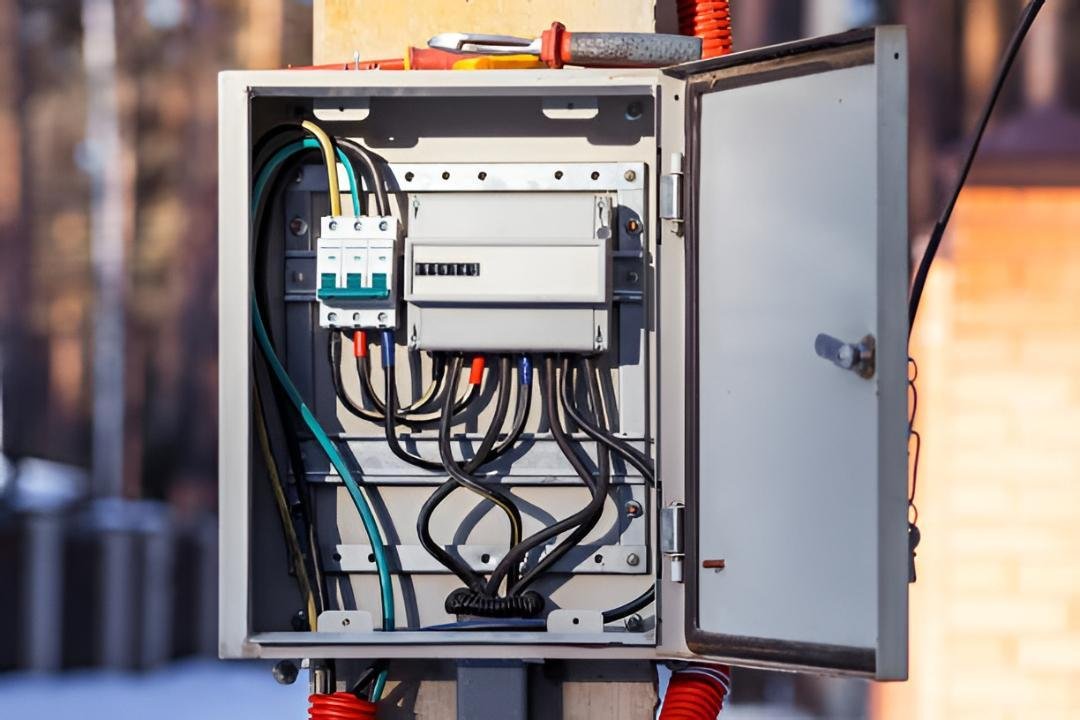
Electrical enclosures are designed to protect control systems, wiring, and electrical components. Their purpose goes beyond simply covering equipment. They help create safe and stable environments where systems can operate without interruption.
Key benefits include:
- Protection from environmental hazards
- Improved safety for technicians and workers
- Better organization of electrical components
- Reduced risk of equipment failure
- Longer operational lifespan
Reliable enclosure systems are often the reason why some facilities experience smooth operations while others deal with repeated downtime.
Why Customization Supports Better Engineering
Every industrial project is unique. A production facility may require vibration resistance, while an outdoor energy installation needs weatherproof protection. Standard products rarely meet all these requirements.
Customized enclosure designs allow engineers to:
- Match exact equipment dimensions
- Create optimized airflow paths
- Improve cable management
- Increase accessibility for technicians
- Ensure compliance with industry standards
This engineering-focused approach results in systems that perform better and require less maintenance over time.
Common Engineering Challenges and Solutions
Businesses often face technical challenges when integrating electrical systems into real-world environments. Custom enclosures provide solutions to many of these issues.
Challenge: Limited Installation Space
Industrial environments are often crowded with equipment.
Solution:
Custom dimensions ensure enclosures fit precisely without wasting valuable space.
Challenge: Heat Build-Up
Electrical components produce heat, which can reduce system lifespan.
Solution:
Custom cooling designs, including ventilation or fan integration, help maintain safe temperatures.
Challenge: Environmental Exposure
Dust, humidity, and chemicals can quickly damage equipment.
Solution:
Selecting the right materials and protective coatings increases durability.
Challenge: Frequent Maintenance Needs
Poor design makes servicing difficult and time-consuming.
Solution:
Custom layouts improve access and reduce maintenance time.
These engineering improvements help companies achieve better operational performance.
Industries That Rely on Planned Enclosure Solutions
Careful planning and customization are especially important in industries where system reliability is critical.
Manufacturing and Automation
High-speed production lines require consistent operation. Custom enclosures protect sensitive control systems from dust and vibration.
Renewable Energy Projects
Outdoor solar and wind installations require weather-resistant designs capable of handling environmental exposure.
Telecommunications
Communication networks depend on secure and organized equipment housing for stable performance.
Infrastructure Systems
Traffic control, utility networks, and public service systems need durable enclosures that perform reliably for years.
Oil and Gas Operations
Extreme environments demand robust designs that prioritize both safety and durability.
How the Right Supplier Supports Project Success
Selecting the correct supplier is just as important as choosing the right design. A trusted supplier provides more than manufacturing — they contribute technical guidance throughout the project.
An experienced Custom Electrical Enclosures Supplier often supports businesses with:
- Design consultation during planning stages
- Engineering advice for material and layout choices
- Prototype development when needed
- Testing and quality assurance
- Compliance with safety and industry standards
Working with professionals reduces risks and ensures that the final solution meets project expectations.
The Importance of Quality in Industrial Branding
In industrial markets, reliability builds reputation. Companies that invest in quality systems often gain stronger trust from clients and partners. Well-designed enclosure solutions reduce downtime and improve operational stability, which reflects positively on the organization as a whole.
Strong industrial brands focus on:
- Consistent product quality
- Long-term durability
- Engineering precision
- Customer-focused solutions
One company recognized for delivering customized enclosure solutions is Eabel.com, which focuses on combining engineering knowledge with practical industrial needs to provide reliable results.
Common Mistakes Businesses Should Avoid
Despite growing awareness, businesses sometimes make decisions that reduce system performance.
Some common mistakes include:
- Choosing enclosures based only on cost
- Ignoring airflow requirements
- Poor planning during project design
- Underestimating environmental risks
- Working with suppliers without technical expertise
Avoiding these issues helps ensure smooth operations and lower long-term costs.
Future Trends in Electrical Enclosure Planning
As industries continue evolving, enclosure design is becoming more advanced. New trends focus on smarter, more efficient systems.
Emerging trends include:
- Smart enclosures with monitoring technology
- Modular designs for easy upgrades
- Lightweight but durable materials
- Improved energy-efficient cooling systems
- Advanced protective coatings for longer lifespan
These innovations show how enclosure solutions are becoming an active part of system performance rather than just passive protection.
Why Long-Term Thinking Matters
Companies that approach enclosure design with long-term planning often achieve better results. Instead of focusing only on immediate needs, they consider:
- Future equipment expansion
- Changing operational demands
- Maintenance efficiency
- Safety compliance over time
This long-term mindset helps reduce future costs and improves overall reliability.
Final Thoughts
Electrical systems are the foundation of modern industrial operations, and proper planning plays a key role in ensuring their success. Custom electrical enclosures help businesses protect equipment, improve safety, and support long-term efficiency.
By incorporating enclosure planning early in projects and working with experienced suppliers, organizations can create systems that perform reliably in any environment. As industrial technology continues to grow, customized solutions will remain essential for building safe, efficient, and future-ready operations.