
Practical care that helps people heal while living their lives
Understanding PTSD and its daily impact
Post-traumatic stress disorder, often called PTSD, affects more than memories of a past event. It can influence how a person thinks, feels, and reacts every day. People living with PTSD may experience flashbacks, sleep problems, anxiety, emotional numbness, or difficulty feeling safe in normal situations.
These symptoms do not stay in the past. They often show up at work, at home, and in relationships. Simple tasks can feel overwhelming. Crowded places, loud sounds, or certain conversations may trigger intense reactions.
Because PTSD affects daily life in many ways, treatment must also focus on daily recovery. PTSD treatment in Victoria, BC is designed to help people manage symptoms while continuing to live, work, and connect with others.
Why daily recovery matters in PTSD treatment
Recovery from PTSD is not just about talking through past trauma. It is about learning how to cope in the present. Many people with PTSD feel stuck between wanting to heal and needing to function day to day.
Daily recovery means building skills that can be used in real situations. This includes learning how to calm the nervous system, manage stress, and feel grounded during triggering moments.
Treatment that supports daily recovery helps people regain a sense of control. It focuses on progress rather than perfection, recognising that healing takes time and patience.
Personalised care for different experiences
No two people experience PTSD in the same way. Trauma can come from many sources, including accidents, abuse, violence, medical events, or long-term stress. Personal background, support systems, and coping styles also shape how symptoms appear.
PTSD treatment in Victoria, BC, often begins with a thorough assessment. This helps professionals understand each person’s history, current challenges, and personal goals.
Based on this understanding, treatment plans are tailored to the individual. Care may change over time as symptoms improve or new needs arise. This flexibility helps treatment stay relevant and supportive.
Therapy approaches that support daily life
Therapy is a core part of PTSD treatment. Many approaches focus on helping people understand their trauma responses while learning practical coping skills.
Sessions often work on:
- Recognising triggers and early warning signs
- Learning grounding and relaxation techniques
- Challenging unhelpful thoughts linked to trauma
- Improving emotional regulation
These skills are intended for use outside of therapy sessions. People practise them at home, at work, and in social situations. Over time, daily challenges become more manageable.
Outpatient treatment and living at home
Many people receive PTSD treatment while living at home. Outpatient care allows individuals to attend regular therapy sessions without leaving their daily environment.
This approach supports daily recovery by helping people apply what they learn in real time. If a difficult situation comes up during the week, it can be discussed and worked through in the next session.
Living at home also allows people to maintain routines, relationships, and responsibilities. For many, this sense of normalcy is an important part of healing.
Managing stress and emotional overwhelm
Stress can worsen PTSD symptoms, making it harder to cope with everyday tasks. Effective treatment focuses on reducing stress and increasing emotional stability.
People learn techniques to calm their bodies when stress rises. Breathing exercises, mindfulness practices, and grounding strategies are commonly taught.
These tools help interrupt panic responses and reduce emotional overload. With practice, individuals begin to feel more confident handling stressful moments as they arise.
Building safety and trust over time
Trauma often damages a person’s sense of safety and trust. PTSD treatment aims to rebuild these feelings gradually.
Therapeutic relationships are based on consistency, respect, and clear boundaries. Feeling safe with a therapist allows people to open up at their own pace.
As trust grows, people often begin to feel safer in other areas of life as well. This can lead to improved relationships, better communication, and a stronger sense of connection.
Supporting co-occurring challenges
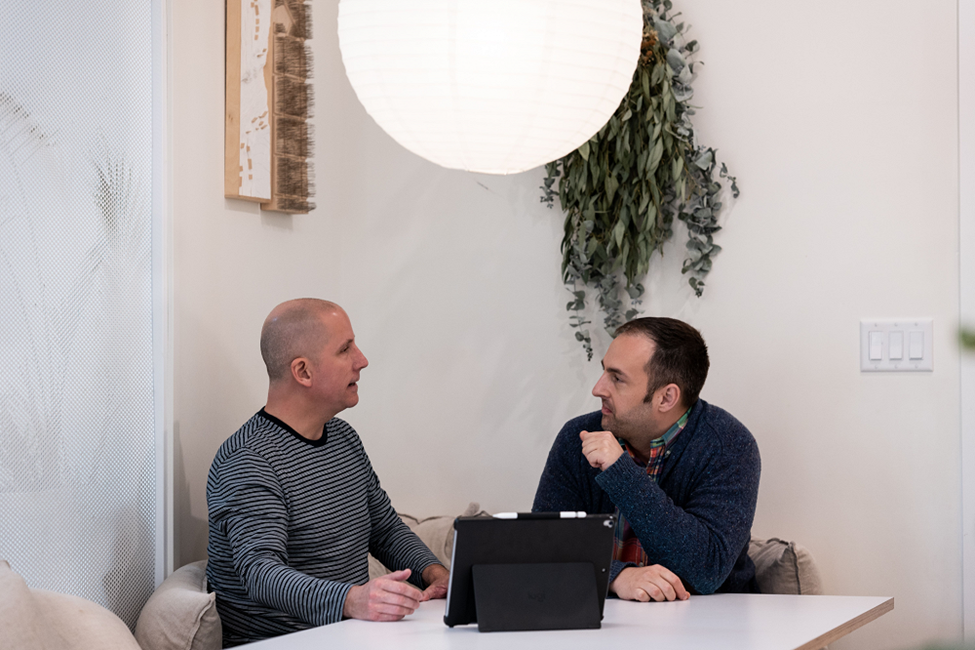
PTSD often exists alongside other challenges, such as depression, anxiety, or substance use. Some people turn to alcohol or drugs to cope with distressing symptoms.
In these cases, treatment providers take a whole-person approach. Addressing PTSD and substance use together can improve outcomes.
For individuals who need additional support, connections may be made to services such as Nanaimo addiction treatment. Coordinated care ensures that mental health and addiction issues are treated in a balanced and supportive way.
The role of routine in recovery
Daily routines can play a powerful role in PTSD recovery. Structure provides predictability, which can help reduce anxiety and improve emotional regulation.
Treatment often encourages small, manageable routines. This may include regular sleep schedules, gentle physical activity, or planned moments of rest.
As routines become more stable, people often feel more grounded. Daily life begins to feel less chaotic and more manageable.
Family and relationship support
PTSD can affect relationships with family, friends, and partners. Loved ones may struggle to understand symptoms or know how to help.
Many PTSD treatment programs offer education or family sessions. These sessions help explain how trauma affects behaviour and emotions.
Improved understanding reduces conflict and increases support at home. When loved ones are informed and patient, recovery becomes easier to sustain.
Progress that looks different for everyone
Recovery from PTSD does not follow a straight path. Some days feel easier than others. Setbacks do not mean failure.
PTSD treatment in Victoria, BC, focuses on realistic progress. Success may look like better sleep, fewer panic reactions, or improved communication.
Recognising small improvements helps build motivation. Over time, these changes add up to meaningful growth.
Long-term support and ongoing care
Healing from trauma often requires long-term support. Even after symptoms improve, ongoing care can help maintain progress.
Follow-up sessions, support groups, or periodic check-ins allow people to stay connected to help when needed. This ongoing support reduces the risk of setbacks during stressful periods.
Daily recovery becomes more sustainable when people know they are not alone in their healing journey.
A supportive path toward daily healing
PTSD can make everyday life feel overwhelming, but effective treatment offers hope. With personalised care, practical tools, and consistent support, recovery becomes part of daily living rather than a distant goal.
PTSD treatment in Victoria, BC, supports people where they are, helping them build skills they can use each day. When needed, additional resources such as Nanaimo addiction treatment can be part of a broader care plan.
Together, these supports help individuals regain confidence, stability, and a sense of control over their lives. Recovery happens step by step, through everyday moments that gradually become easier to manage.