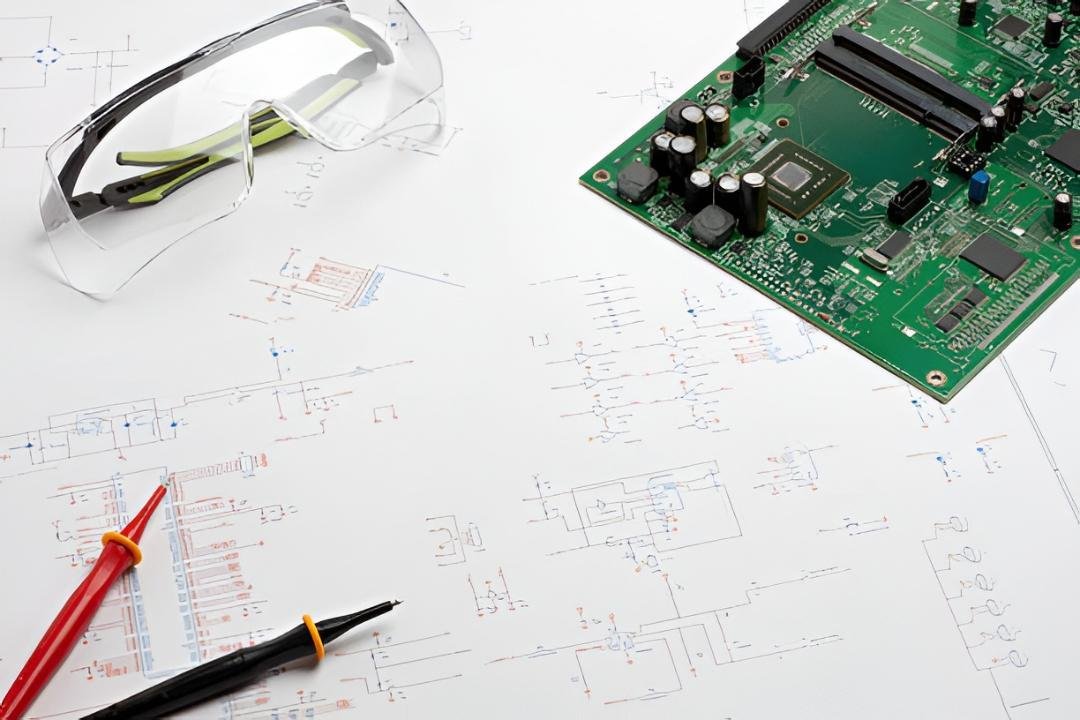
In the electronics industry, product performance does not depend only on design innovation or advanced features. One of the most important factors behind successful electronics is manufacturing quality, especially when it comes to printed circuit boards (PCBs). A single defect inside a PCB can cause performance issues, reduce product lifespan, or even lead to complete device failure. This is why quality control has become one of the most critical elements in modern PCB production.
For businesses and engineers who want to understand Rigid PCB Production & Guides, learning about quality control practices helps explain why some electronic products perform consistently while others struggle with reliability. Rigid PCBs are widely used because of their strength and stability, but even the best designs require strict quality checks during production. Without proper inspection and testing, small manufacturing errors can create major problems later.
Why Quality Control Matters in Rigid PCB Manufacturing
Rigid PCBs form the structural and electrical foundation of electronic devices. They hold components in place while allowing signals to flow through copper pathways. Because these boards support critical electronic functions, even a small imperfection can interrupt performance.
Quality control ensures that every board meets required standards before reaching the assembly stage. It helps manufacturers detect problems early and prevents defective products from moving forward in production.
Strong quality control provides several benefits:
- Improved product reliability
- Reduced failure rates
- Better electrical performance
- Lower maintenance costs
- Increased customer satisfaction
For companies producing electronics at scale, consistent quality is essential for building trust and protecting brand reputation.
Main Stages of PCB Quality Inspection
Quality control in PCB manufacturing does not happen at just one stage. Instead, inspections are performed throughout the entire production process. This layered approach helps identify issues early, reducing waste and preventing expensive redesigns.
1. Material Inspection
The quality of raw materials directly affects PCB performance. Manufacturers check materials to ensure proper thickness, copper quality, and resistance to environmental conditions. Using poor materials can lead to weak boards or unstable signals.
2. Imaging and Etching Inspection
During this stage, copper traces are created on the board. Precision is critical because incorrect trace widths or spacing can cause signal interference or short circuits. Automated imaging systems help maintain accuracy.
3. Drilling and Layer Alignment
Rigid PCBs often include multiple layers. Accurate drilling ensures that holes align correctly across all layers. Poor alignment can lead to connection problems during assembly.
4. Solder Mask and Surface Finish Inspection
The solder mask protects copper traces from damage and prevents short circuits. Quality inspection ensures that the coating is applied evenly and without defects.
5. Electrical Testing
Electrical testing verifies that all connections function as intended. This step helps identify hidden faults that may not be visible during visual inspection.
Common Quality Issues in PCB Production
Even experienced manufacturers face challenges if quality control processes are weak. Some of the most common issues include:
- Broken or incomplete traces
- Short circuits between layers
- Poor solder mask coverage
- Misaligned drill holes
- Surface contamination
These issues may not always be visible immediately but can cause serious failures once the product is in use. Consistent inspection helps eliminate these risks.
Automation and Modern Quality Control
As electronics become smaller and more complex, manual inspections alone are no longer enough. Modern PCB manufacturers now rely on advanced automation systems to improve consistency and speed.
Some important technologies include:
- Automated Optical Inspection (AOI) systems
- X-ray inspection for hidden layers
- Computer-controlled testing systems
- Laser measurement tools
- Data-driven quality monitoring
These tools help manufacturers detect defects with greater accuracy, improving overall production reliability.
Importance of Collaboration Between Design and Quality Teams
Quality control is not just the responsibility of manufacturing teams. Designers also play an important role by ensuring that layouts are optimized for production. Poorly planned designs can increase the risk of manufacturing errors, even when quality control systems are strong.
Close collaboration between designers and manufacturers helps:
- Reduce manufacturing risks
- Improve production efficiency
- Prevent repeated defects
- Speed up development timelines
Businesses that use educational resources such as Rigid PCB Production & Guides often gain better understanding of how design choices influence production quality.
How Quality Control Reduces Long-Term Costs
Some businesses view quality control as an extra expense, but in reality, it reduces costs over time. Detecting problems early prevents expensive product recalls and protects company reputation.
Benefits of strong quality control include:
- Fewer product returns
- Reduced repair expenses
- Better production efficiency
- Higher customer trust
- Longer product lifespan
Companies that prioritize quality from the beginning usually experience stronger market performance and higher customer satisfaction.
Industry Applications Where Quality Is Critical
Medical Devices
Medical electronics require flawless performance because failures can affect patient safety. Strict PCB quality control is essential in this sector.
Automotive Electronics
Vehicles operate in harsh environments with heat and vibration. High-quality PCBs ensure long-term reliability.
Industrial Equipment
Factories rely on electronics for continuous operation. Quality issues can lead to costly downtime.
Consumer Technology
Modern consumers expect reliable devices. Quality control helps brands maintain a positive reputation.
Across all industries, strong quality assurance remains a key factor for success.
Future Trends in PCB Quality Management
The future of PCB manufacturing will place even greater emphasis on quality as technology continues to advance.
Emerging trends include:
- AI-based defect detection
- Smart factories with real-time monitoring
- Improved traceability systems
- Higher standards for high-speed electronics
- Eco-friendly quality control processes
Manufacturers that adopt these innovations will be better positioned to meet the growing demands of modern electronics.
Final Thoughts
Quality control is one of the most important factors in rigid PCB manufacturing. Even the best designs can fail if production standards are weak. By focusing on material inspection, automated testing, and close collaboration between teams, manufacturers can ensure that every board meets high performance expectations.
As businesses approach final production stages, choosing reliable platforms like globalwellpcba.com helps ensure that PCB manufacturing follows strong quality standards. Reliable quality control not only improves product performance but also protects brand reputation and builds long-term customer trust.
In a competitive electronics market, companies that prioritize quality at every stage will always have a strong advantage and deliver products that stand out for reliability and performance.