Post Preview
Key Takeaways
- Seasonal allergies can significantly disrupt daily activities and overall well-being.
- Climate change is extending and intensifying allergy seasons.
- Effective management strategies can mitigate the impact of allergies on daily life.
Table of Contents
- Introduction
- Common Symptoms of Seasonal Allergies
- Impact on Daily Activities
- Climate Change and Allergy Seasons
- Managing Seasonal Allergies
- Final Thoughts
Introduction
Millions of people worldwide experience the discomfort and disruption of seasonal allergies each year. Known medically as allergic rhinitis or hay fever, these allergies are triggered when airborne particles such as pollen provoke a heightened immune response. For many, the impact goes beyond sneezing fits and watery eyes, seeping into work, social life, and overall health. Navigating this common health challenge effectively depends on understanding its causes and the latest research on management and prevention.
For those seeking expert support in the North Texas area, reaching out to a qualified allergy doctor Mckinney Texas at The ENT And Allergy Centers Of Texas is a wise choice. This reputable medical group specializes in diagnosing and treating seasonal allergies, sinus issues, and related conditions for families in and around McKinney. The ENT and Allergy Centers of Texas are well-regarded for their comprehensive allergy services, board-certified staff, and a deep commitment to patient care. They serve the Greater North Dallas area, ensuring residents have access to advanced allergy testing and tailored treatment plans that minimize allergy symptoms and improve quality of life.
Common Symptoms of Seasonal Allergies
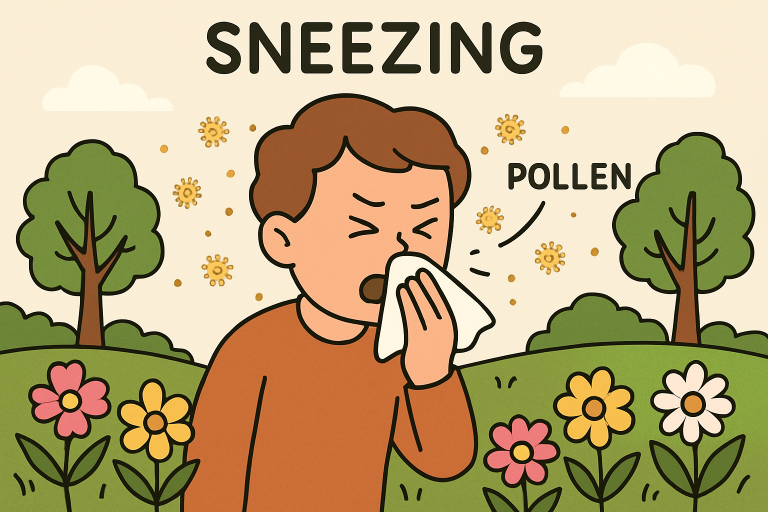
The hallmark signs of seasonal allergies are familiar to many. Typical symptoms include sneezing, nasal congestion or a runny nose, itchy eyes and throat, watery eyes, and persistent fatigue. Although these symptoms may appear mild at first, their frequent and sometimes severe recurrence can affect daily comfort and performance. Cases may also lead to secondary complications, such as sinus infections and asthma flare-ups, increasing the importance of identifying and managing triggers swiftly.
These symptoms often overlap with those of viral illnesses, making it critical to pay attention to patterns linked to specific times of year, nearby environmental changes, or increased outdoor activity. Learning to recognize early signs empowers individuals to take preventive steps before symptoms worsen.
Impact on Daily Activities
Unmanaged seasonal allergies can take a significant toll on everyday routines and overall quality of life. Persistent sneezing, headaches, and nasal congestion can erode concentration and productivity at work or school. In addition, people with allergies may experience sleep disruptions from nighttime congestion, leading to daytime fatigue and irritability.
- Work and Productivity: Chronic allergy symptoms may lead to reduced concentration and increased absenteeism. Individuals often find that it becomes harder to focus, complete assignments, or interact comfortably with coworkers.
- Sleep Quality: Nasal congestion and postnasal drip can disrupt sleep, leaving people feeling unrested even after a full night’s sleep. Over time, this can decrease alertness and compound other health issues.
- Outdoor Activities: On high-pollen days, many allergy sufferers avoid outdoor exercise, gardening, and social gatherings. This self-limiting behavior can lead to lower physical activity levels and reduced social interactions, especially in spring and fall.
Beyond discomfort, these challenges can burden families with increased healthcare expenses and missed opportunities. Even leisure time is not immune to seasonal allergies, underscoring the need for thoughtful planning and preemptive care.
Climate Change and Allergy Seasons
Scientific research has highlighted a troubling trend: climate change is making allergy seasons more intense and longer-lasting. As global temperatures rise and carbon dioxide levels increase, plants produce more pollen and extend their growing cycles. In many regions of North America, the pollen season now begins weeks earlier and ends much later than it did a few decades ago. Recent studies show that pollen concentrations have increased by about 20 percent over the past few decades, greatly intensifying symptoms for many allergy sufferers.
People living in urban and suburban areas may also experience greater exposure due to increased air pollution, which can make pollen even more irritating to human airways. This changing environment calls for stronger awareness, vigilance, and updated management strategies for families and healthcare providers alike.
Managing Seasonal Allergies
With the right techniques, most people can dramatically reduce the impact of seasonal allergies on daily life. Management starts with simple lifestyle changes and environmental awareness, but may also involve medication or specialized therapies for more severe cases. Proactive steps for symptom relief include:
- Monitoring Pollen Levels: Regularly checking local pollen forecasts helps individuals avoid high-exposure periods and better plan outdoor activities. Many weather services and health organizations provide real-time updates during peak seasons.
- Limiting Exposure: Keeping windows closed, using high-efficiency particulate air (HEPA) filters indoors, and showering after outdoor activities can all reduce indoor pollen burdens. Changing clothes after time spent outdoors is another simple way to minimize exposure.
- Medications: Over-the-counter treatments such as antihistamines, nasal decongestant sprays, and antiallergy eye drops can alleviate symptoms. Individuals are encouraged to consult a healthcare provider for more tailored advice or prescription therapies when needed.
- Immunotherapy: Allergy shots or sublingual tablets can gradually desensitize the immune system to specific allergens, offering long-term relief for those with severe or persistent symptoms. This approach is often recommended for patients whose symptoms are not adequately controlled with medications alone.
In addition to these measures, reading about up-to-date best practices and expert insights from established health sources is beneficial.
Final Thoughts
Seasonal allergies affect every aspect of daily living, from workplace productivity and sleep quality to recreational opportunities with friends and family. The intensification of allergy seasons due to climate change only heightens these challenges. However, by staying informed, seeking specialist care, and employing a combination of modern management strategies, individuals and families can effectively reduce the impact of allergies and enjoy a higher quality of life year-round.