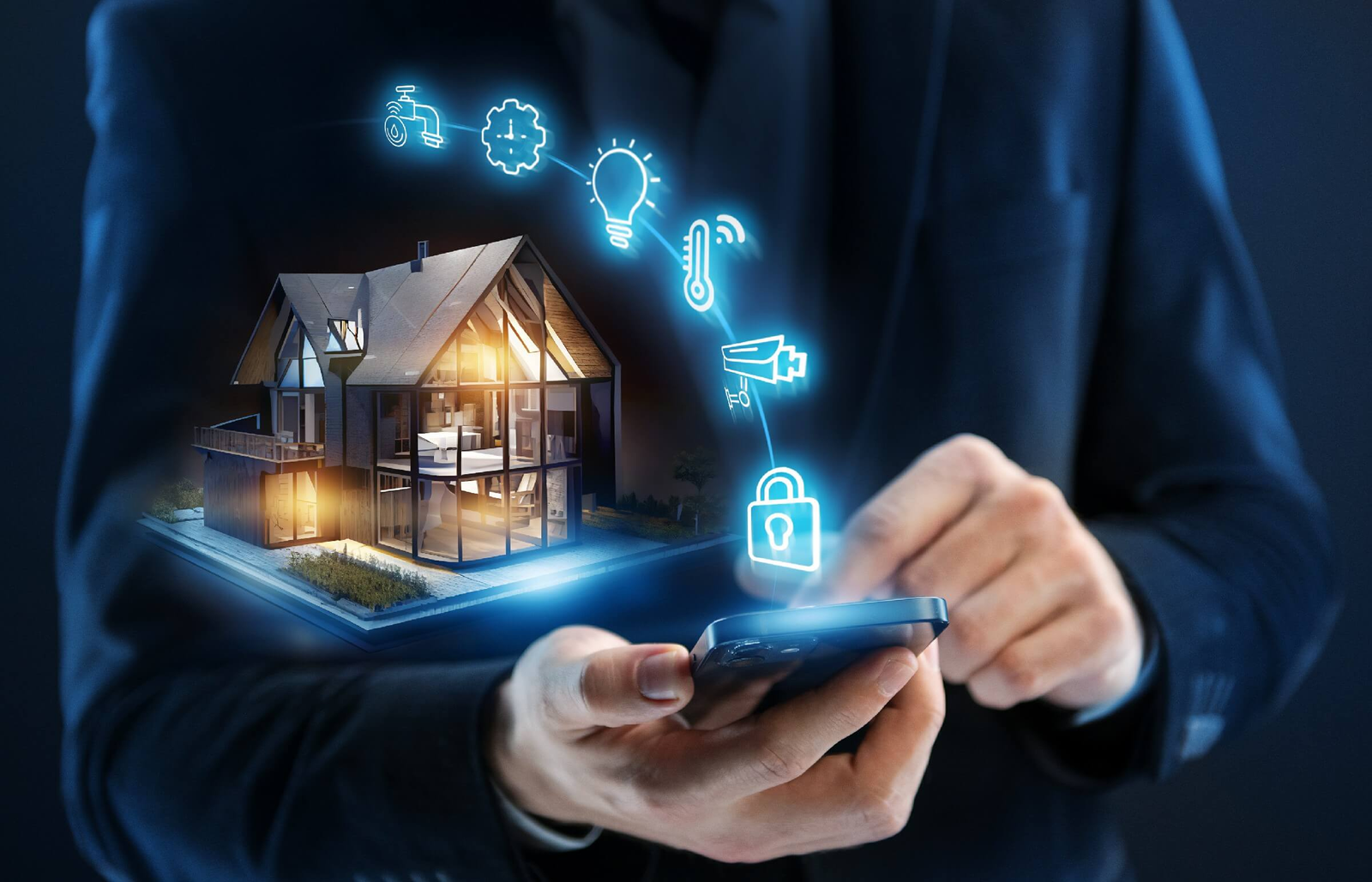
Home security has become one of the most important considerations for homeowners in today’s world, where property crimes, burglaries, and safety concerns continue to rise. Ensuring the protection of your home is no longer limited to basic locks and alarm systems; it requires a comprehensive approach that incorporates both physical security measures and advanced technology to monitor, deter, and respond to potential threats. Home security is not only about safeguarding material possessions but also about creating a safe and secure environment where family members can live with peace of mind. Modern home security involves multiple layers of protection, including surveillance cameras, alarm systems, smart locks, motion detectors, environmental sensors, and cybersecurity measures to protect connected devices. A truly effective system combines preventative strategies with responsive solutions, offering homeowners real-time monitoring, quick alerts, and automated responses to threats. Beyond technology, proper home security also requires an understanding of potential risks, strategic planning, and adoption of daily practices that reduce vulnerabilities and increase overall safety. By addressing these elements together, homeowners can significantly reduce the likelihood of incidents while enhancing their sense of security and control over their property.
Understanding Home Security
Home security is a combination of protective measures, technology, and behavioral practices aimed at reducing risks associated with burglary, vandalism, natural disasters, and emergencies. Physical security measures such as strong locks, reinforced doors, and secure windows have long been fundamental, but modern security systems expand far beyond these basics. Effective home security begins with identifying potential vulnerabilities within the property and understanding the behavior of criminals or threats. Common weaknesses include poorly lit exterior areas, unlocked doors and windows, predictable occupancy patterns, and unsecured entry points. Modern homeowners must also consider risks associated with environmental hazards such as fires, flooding, and carbon monoxide exposure, along with technological vulnerabilities that arise from the increasing integration of smart devices in homes. By evaluating all potential risks and vulnerabilities, homeowners can implement a layered security strategy that addresses both visible and hidden threats, thereby creating a safer environment for residents.
Components of Home Security Systems
A modern home security system combines several interdependent elements that work together to provide comprehensive protection. Surveillance cameras, for instance, allow continuous monitoring of the property, acting as a deterrent for intruders while providing recorded evidence in case of incidents. These cameras can be installed both indoors and outdoors and often include features such as night vision, motion detection, two-way communication, and cloud storage for remote access. Alarm systems are a cornerstone of home security, designed to detect unauthorized entry and alert both homeowners and monitoring services. Alarms can include sensors on doors and windows, motion detectors in key areas, and loud audible alerts to deter intruders. Integration with mobile apps allows homeowners to receive notifications instantly, monitor activity remotely, and contact authorities quickly when needed. Smart locks and access control devices further enhance security by providing keyless entry, temporary access codes for visitors or service personnel, and detailed logs of who enters and exits the home. Motion detectors enhance protection by triggering alarms or cameras when unusual activity is detected and can also integrate with lighting systems to illuminate areas automatically when movement is sensed. Fire and carbon monoxide detectors add another layer of safety, ensuring that the home is prepared for emergencies that go beyond criminal threats. Finally, cybersecurity has become an essential component of home security, as smart devices are increasingly vulnerable to hacking, which can compromise both privacy and physical safety. By integrating all of these components, homeowners can achieve a multi-layered security system that addresses a wide spectrum of risks.
Advantages of Implementing a Home Security System
The benefits of investing in a comprehensive home security system are substantial and extend beyond preventing burglaries. One of the primary advantages is peace of mind; knowing that a property is actively monitored and protected provides homeowners with a sense of safety that contributes to overall well-being. Financial benefits also play a role, as many insurance providers offer discounts on homeowners’ insurance for properties equipped with monitored security systems. These systems can increase property value, making homes more attractive to prospective buyers who prioritize safety and modern technological integration. A robust home security system enhances emergency response capabilities by ensuring that authorities are notified immediately in the event of a break-in, fire, or other emergencies. Families with children, elderly members, or pets benefit from real-time monitoring and alerts, allowing them to respond quickly to potential hazards. Additionally, security systems act as a deterrent for criminals, reducing the likelihood of break-ins or vandalism due to visible cameras, signage, and automated responses. By providing both preventive and responsive protection, home security systems create a safer environment that supports not only physical safety but also emotional confidence for residents.
Best Practices for Enhancing Home Security
While technological solutions are essential, the effectiveness of home security is maximized through consistent behavioral practices and strategic property management. Homeowners should always ensure that all doors and windows are securely locked, even when the house is occupied, and consider reinforcing entry points with strong locks, deadbolts, or security bars. Exterior lighting is an effective deterrent against potential intruders, particularly when placed near entrances, walkways, and areas with limited visibility. Motion-activated lighting adds an additional layer of protection by illuminating spaces when activity is detected, increasing both safety and visibility. Landscaping should be maintained to eliminate hiding spots, such as overgrown bushes or trees near windows or pathways, which may provide cover for intruders. Homeowners should avoid posting travel plans or details about unoccupied periods on social media, as this information can be exploited by burglars. Additional precautions include using timers for lights, radios, or televisions to simulate occupancy, securing valuables out of sight, and engaging in neighborhood watch programs or community-based safety initiatives. By combining proactive behavioral practices with technology, homeowners can significantly strengthen their overall security posture and create an environment in which risks are minimized, and safety is maximized.
Technological Advancements in Home Security
The home security industry has evolved significantly due to technological innovation, offering enhanced protection, convenience, and customization. Artificial intelligence and machine learning have been incorporated into modern surveillance systems, allowing cameras to differentiate between humans, animals, and vehicles, thereby reducing false alarms and improving accuracy. Smart home ecosystems enable seamless coordination among security devices, lighting systems, thermostats, and other connected appliances, allowing automated responses to unusual activity or emergencies. Mobile applications and cloud platforms provide homeowners with remote access to live feeds, notifications, and activity logs, enabling real-time monitoring and management from virtually anywhere. Biometric authentication, facial recognition, and smart doorbells with integrated cameras have made access control more secure and convenient, offering advanced features that were once available only to commercial properties. These technological advancements contribute to the creation of fully integrated security systems that are proactive, adaptable, and capable of responding quickly to a wide range of threats, from physical intrusions to environmental hazards and digital vulnerabilities.
Conclusion
Home security is a complex, multidimensional effort that combines physical protection, technological innovation, behavioral practices, and digital safeguards to create a safe living environment. Modern security systems integrate surveillance cameras, alarm systems, smart locks, motion detectors, environmental sensors, and cybersecurity measures to provide comprehensive protection against a variety of threats. The effectiveness of these systems depends not only on the technology itself but also on proactive strategies such as consistent locking practices, proper lighting, landscaping management, and cautious information sharing. Implementing a well-designed home security system offers peace of mind, improved emergency responsiveness, financial benefits through insurance discounts, increased property value, and enhanced protection for vulnerable family members. By adopting a layered approach that combines technology with practical, everyday security measures, homeowners can create a secure environment that minimizes risks and provides long-term safety for both residents and property. As threats continue to evolve, embracing a holistic, proactive approach to home security in Dallas ensures that homes remain protected, safe, and resilient in an increasingly complex world.