When people think about roofs, they often imagine residential structures and familiar shingles. Yet the roofing needs of business properties are far more complex and demanding. From warehouses and retail centers to office buildings and industrial facilities, the roof plays a critical role in protecting assets, supporting daily operations, and maintaining energy efficiency. A well-designed and properly maintained roof is not merely a covering; it is a strategic investment that can influence operational costs, safety, and long-term property value says Lone Eagle Management specialists. In this in-depth article, we will explore the essential elements of commercial roofing, including materials, design considerations, installation processes, maintenance strategies, and emerging trends that are shaping the industry today.
Understanding the Role of Roofing in Business Structures
Business properties differ significantly from residential buildings in terms of size, structural load, and usage patterns. These differences directly affect roofing requirements. A roof on a large facility must withstand greater stress from weather exposure, foot traffic, and mechanical equipment. In many cases, it must also accommodate HVAC systems, solar installations, and drainage components without compromising structural integrity.
Beyond protection from the elements, the roof also contributes to thermal regulation and indoor comfort. Poorly designed or aging systems can lead to heat loss, moisture intrusion, and escalating energy bills. For this reason, decision-makers increasingly recognize roofing as a core component of building performance rather than a secondary concern.
Key Roofing Materials Used in Business Properties
Selecting the right roofing material is one of the most important decisions for any business owner or property manager. Each option offers distinct advantages and limitations, making it essential to align material choice with building function, climate demands, and budget considerations.
Single-ply membranes, such as thermoplastic and synthetic rubber systems, are popular for large flat or low-slope roofs. These materials are lightweight, flexible, and resistant to ultraviolet exposure. Their reflective surfaces can also help reduce heat absorption, contributing to energy efficiency.
Built-up roofing systems, which consist of multiple layers of bitumen and reinforcing fabrics, provide durability and strong resistance to water infiltration. Although installation can be more labor-intensive, these systems have a proven track record of long-term performance when properly maintained.
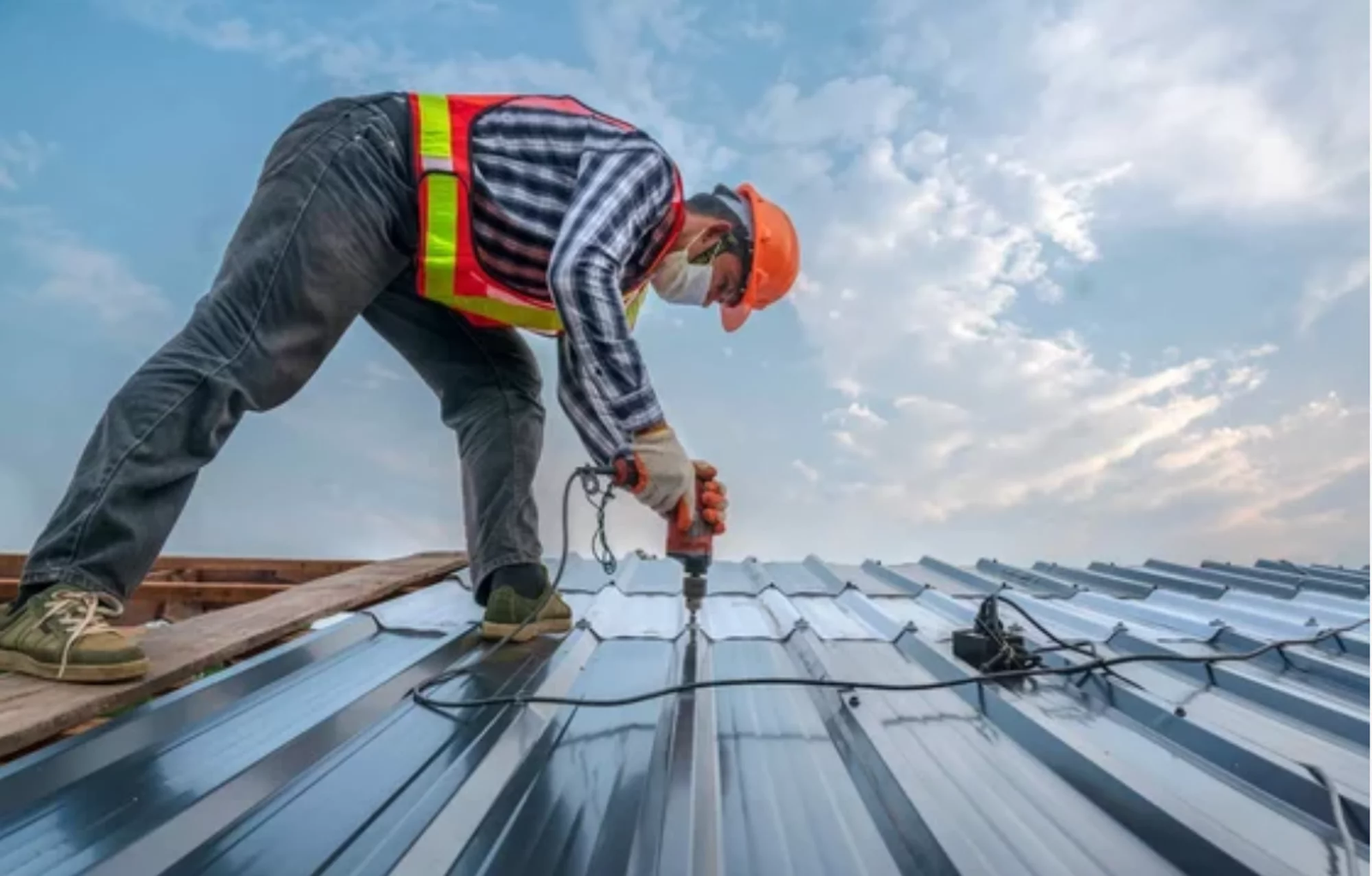
Metal roofing is another widely used option, particularly for facilities seeking longevity and durability. Metal systems can last several decades and offer excellent resistance to fire, wind, and impact. Advances in coatings and finishes have also improved their thermal performance and aesthetic versatility.
Modified bitumen systems combine traditional asphalt with modern polymers, creating a hybrid solution that balances strength and flexibility. These systems are often chosen for their ease of repair and adaptability to various roof designs.
Design Considerations for Long-Term Performance
Effective roof design goes beyond material selection. Structural design, slope, drainage, and load-bearing capacity all influence how well a roof performs over time. Poor drainage, for example, can lead to standing water, which accelerates deterioration and increases the risk of leaks.
Engineers and designers must carefully evaluate how a roof will interact with the rest of the building. This includes accounting for expansion and contraction caused by temperature fluctuations, as well as ensuring compatibility with insulation and vapor barriers. Proper detailing around penetrations such as vents, skylights, and access points is especially critical, as these areas are common sources of failure.
Safety is another essential factor. Roofs on business properties often require regular access for maintenance and inspections. Incorporating safety features such as walkways, guardrails, and designated access points can reduce the risk of accidents and support compliance with workplace regulations.
Installation Practices and Quality Assurance
Even the highest-quality materials can underperform if installation is rushed or improperly executed. Roofing installation for business properties requires skilled professionals who understand the complexities of large-scale systems. Attention to detail during installation helps prevent issues such as membrane separation, improper sealing, and uneven insulation.
Quality assurance processes are essential during and after installation. Inspections at various stages ensure that materials are applied correctly and that design specifications are met. Documentation of installation practices and warranties provides transparency and protects the interests of property owners.
Weather conditions during installation also matter. Extreme temperatures, high winds, or precipitation can compromise adhesion and alignment. Scheduling installation during favorable conditions helps ensure optimal performance and longevity.
Maintenance as a Cost-Saving Strategy
Routine maintenance is often underestimated, yet it is one of the most effective ways to extend roof lifespan and avoid costly repairs. Regular inspections allow early detection of minor issues before they escalate into major problems. Cracks, loose fasteners, and drainage blockages can often be addressed quickly when identified early.
Maintenance plans typically include scheduled inspections, cleaning of drainage systems, and prompt repair of damaged areas. Keeping detailed records of inspections and repairs helps track roof condition over time and supports informed decision-making regarding future upgrades or replacements.
Proactive maintenance also contributes to energy efficiency. Well-maintained insulation and reflective surfaces help regulate indoor temperatures, reducing the strain on heating and cooling systems. Over the life of a building, these savings can be substantial.
Energy Efficiency and Environmental Impact
Energy efficiency has become a major consideration in modern building design, and roofing systems play a central role. Cool roofs, which reflect more sunlight and absorb less heat, are increasingly popular for business properties seeking to reduce energy consumption. These systems can lower indoor temperatures and decrease reliance on air conditioning.
Green roofing systems, which incorporate vegetation and soil layers, offer additional environmental benefits. They improve insulation, reduce stormwater runoff, and contribute to improved air quality. While initial costs can be higher, the long-term benefits often justify the investment for organizations focused on sustainability.
Recyclable materials and environmentally responsible manufacturing processes are also gaining traction. By choosing sustainable roofing options, businesses can reduce their environmental footprint while meeting regulatory and corporate responsibility goals.
Common Challenges and How to Address Them
Business property roofs face a range of challenges, from extreme weather events to heavy equipment loads. Wind uplift, hail damage, and thermal cycling can all compromise roof integrity over time. Addressing these challenges requires a combination of proper design, quality materials, and ongoing maintenance.
Moisture intrusion is one of the most common issues, often resulting from damaged membranes or poor drainage. Implementing moisture detection systems and conducting regular inspections can help identify hidden problems before they cause structural damage.
Another challenge is balancing cost with performance. While budget constraints are a reality, focusing solely on initial costs can lead to higher expenses in the long run. Evaluating total lifecycle costs, including maintenance and energy savings, provides a more accurate picture of overall value.
The Importance of Professional Expertise
Navigating the complexities of commercial roofing requires specialized knowledge and experience. Professionals in this field understand how different materials and systems perform under various conditions. They can also provide guidance on compliance with building codes, safety standards, and warranty requirements.
Working with experienced professionals helps ensure that roofing solutions are tailored to the specific needs of each property. From initial assessment and design to installation and maintenance, expert involvement reduces risk and enhances long-term performance.
Future Trends Shaping Roofing Solutions
The roofing industry continues to evolve as technology and sustainability priorities advance. Smart roofing systems equipped with sensors can monitor temperature, moisture levels, and structural movement in real time. These innovations enable proactive maintenance and data-driven decision-making.
Advancements in materials science are also leading to more durable and efficient options. Enhanced coatings, improved insulation, and innovative membrane designs are extending roof lifespans while reducing environmental impact.
As businesses place greater emphasis on resilience and sustainability, roofing systems will play an increasingly strategic role. Forward-thinking organizations are already integrating roofing decisions into broader facility management and sustainability planning.
Planning for Replacement and Upgrades
No roofing system lasts forever, and planning for eventual replacement is a crucial aspect of property management. Understanding the expected lifespan of different materials helps owners anticipate future costs and avoid unexpected disruptions.
Upgrades may also be driven by changes in building use or regulatory requirements. For example, adding new equipment or improving energy performance may necessitate structural reinforcement or material upgrades. A well-documented maintenance history can simplify these transitions and support informed planning.
Engaging professionals to conduct comprehensive assessments provides clarity on whether repair, restoration, or replacement is the most appropriate course of action. This strategic approach helps balance short-term needs with long-term goals.
Conclusion: Building Value from the Top Down
A roof is far more than a protective layer; it is a foundational element of building performance, safety, and efficiency. By understanding materials, design principles, installation practices, and maintenance strategies, property owners can make informed decisions that protect their investments. Whether planning a new installation or managing an existing system, thoughtful attention to roofing delivers measurable benefits over time.In an era where efficiency, sustainability, and resilience are increasingly important, commercial roofing stands as a critical component of successful property management. By prioritizing quality, expertise, and long-term planning, businesses can ensure that their roofs support operations today while preparing for the challenges of tomorrow.