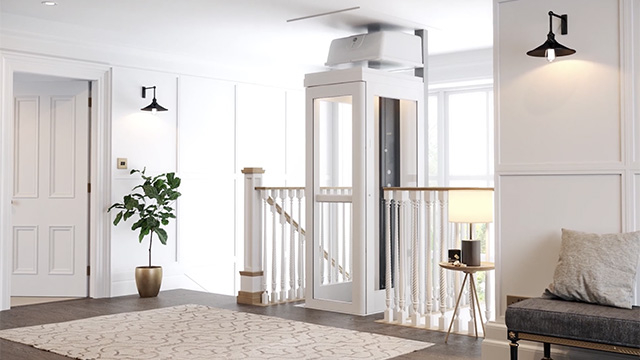
Installing a residential elevator can transform your home, providing convenience, accessibility, and a touch of luxury. Whether you’re considering an elevator for aging in place, enhancing your property’s value, or simply improving everyday comfort, selecting the right elevator requires careful planning. With various types, sizes, and features available, it’s essential to make an informed decision that matches your lifestyle and home layout.
In this guide, you’ll learn the different types of residential elevators, key considerations for installation, safety and maintenance tips, and why choosing a trusted provider like CHS Elevators ensures a smooth, professional, and long-lasting installation.
1. Why a Home Elevator Is Worth the Investment
A residential elevator offers more than just a way to move between floors, it can dramatically improve your home life and long-term property value.
1 Increased Accessibility
Elevators provide easy access for everyone, including:
- Seniors or individuals with mobility challenges
- Young children who may struggle with stairs
- Guests or family members carrying heavy items
This makes your home safer and more accommodating for all.
2 Convenience and Daily Efficiency
Carrying groceries, laundry, or furniture between floors is effortless with an elevator. It saves time and reduces physical strain.
3 Adds Property Value
Homes with elevators appeal to buyers looking for luxury, convenience, and accessibility. A professionally installed residential elevator can increase your home’s resale value.
4 A Stylish Addition
Modern residential elevators come in elegant designs, complementing your home’s interior décor. Glass walls, wood finishes, and LED lighting options allow for a customized look.
2. Types of Residential Elevators
Selecting the right type of elevator depends on your home’s structure, budget, and aesthetic preferences.
1 Hydraulic Elevators
Hydraulic elevators use a fluid-driven piston to lift the cab. They are:
- Smooth and quiet
- Suitable for homes with two to three floors
- Able to handle heavier loads
They do require a machine room, which should be planned in advance.
2 Traction Elevators
Traction elevators use ropes and counterweights for movement. They are:
- Energy-efficient
- Require less space than hydraulic models
- Provide faster travel speeds
These are ideal for multi-story homes where space is limited.
3 Pneumatic (Vacuum) Elevators
Pneumatic elevators are powered by air pressure differences. They are:
- Compact and require minimal construction
- Quick to install
- Visually striking with a transparent cylinder design
These are great for modern homes seeking a stylish yet functional solution.
4 Inclined or Staircase Elevators
Although less common for luxury homes, inclined elevators are useful in multi-level spaces where traditional vertical elevators are not feasible.
3. Key Considerations Before Installing a Home Elevator
Before making a purchase, consider these important factors:
1 Space and Layout
- Measure available shaft space
- Check ceiling height requirements
- Evaluate structural support and floor load capacity
Professional assessment ensures the elevator fits seamlessly without major renovations.
2 Capacity
Determine how many passengers or how much weight the elevator will carry. Common residential capacities range from 500 to 1,000 pounds.
3 Power Source
Most home elevators operate on standard 110V or 220V electrical systems. Ensure your home can accommodate the required power supply.
4 Safety Features
Look for elevators with:
- Emergency stop buttons
- Backup battery operation
- Door sensors
- Automatic leveling
- Smooth start/stop mechanisms
Safety is essential, particularly for families with children or elderly residents.
5 Aesthetic Options
Modern elevators can blend with your home’s interior:
- Glass panels for open views
- Wood or metal finishes for elegance
- Custom lighting and mirrors
Your elevator can become a centerpiece rather than an afterthought.
6 Budget
Home elevators vary in price. Factor in:
- Purchase price
- Installation costs
- Electrical modifications
- Maintenance and service plans
While luxury elevators cost more upfront, they offer long-term value and reliability.
4. The Installation Process for Residential Elevators
Professional installation ensures your elevator is safe, reliable, and compliant with local building codes.
1 Site Assessment
A certified technician evaluates your home layout, shaft requirements, and electrical needs. This step identifies potential obstacles and ensures the project stays on schedule.
2 Structural Preparation
Depending on the elevator type, modifications may include:
- Building a shaft
- Reinforcing floors
- Creating a machine room (for hydraulic elevators)
Proper structural preparation is critical to prevent future issues.
3 Elevator Assembly
The cab, rails, doors, and drive system are installed. Technicians ensure precise alignment and smooth operation.
4 Electrical and Safety Setup
Wiring, sensors, lighting, and emergency systems are installed and tested.
5 Final Testing and Certification
Before use, the elevator undergoes rigorous testing. Safety inspections and certifications ensure compliance with local regulations.
5. Maintenance and Safety Tips for Home Elevators
Keeping your residential elevator in top condition ensures longevity, safety, and efficiency.
1 Regular Inspections
Schedule annual inspections to check:
- Mechanical components
- Electrical systems
- Safety sensors
- Door operation
2 Lubrication and Cleaning
Regular lubrication of moving parts and cleaning of the cab and shaft prevent wear and improve performance.
3 Battery Backup Testing
For elevators with backup batteries, test them periodically to ensure they function during power outages.
4 Professional Servicing
Work with certified technicians for repairs and maintenance. Avoid DIY fixes, which can compromise safety.
6. Why Choose a Local Expert Like CHS Elevators
Installing a home elevator is a significant investment. Choosing a trusted, local provider ensures:
1 Personalized Service
Local experts evaluate your home and recommend the best type and configuration for your space.
2 Wide Range of Options
CHS Elevators offers various models and configurations, from classic to modern, ensuring you find the perfect fit.
3 Expertise in South Carolina Regulations
A local company understands state codes, permits, and inspection requirements, ensuring a smooth installation.
4 Long-Term Support
Ongoing service and maintenance packages protect your investment and give peace of mind.
5 Reputation and Trust
Family-owned and locally operated, CHS Elevators has built a reputation for quality, reliability, and customer satisfaction.
7. Benefits of Installing a Home Elevator Beyond Convenience
A residential elevator is more than a practical solution—it enhances lifestyle and adds long-term value.
1 Aging in Place
Elevators allow homeowners to remain independent in their multi-level homes as mobility changes over time.
2 Resale Value
Homes with elevators attract buyers seeking convenience, luxury, and accessibility. A professionally installed elevator can be a major selling point.
3 Luxury and Comfort
An elevator makes moving between floors effortless, giving your home a resort-like feel.
4 Safety
Elevators reduce the risk of stair-related accidents, especially for elderly residents or small children.
8. Choosing the Right Elevator for Your Home
When selecting a residential elevator, keep the following checklist in mind:
- Determine your primary goal: accessibility, convenience, or luxury
- Evaluate your home’s available space and structural support
- Choose the right type: hydraulic, traction, pneumatic, or inclined
- Decide on seating, finishes, and cab design
- Verify electrical and power requirements
- Plan for regular maintenance and service contracts
- Work with a trusted, experienced local provider like CHS Elevators
This approach ensures you get an elevator that enhances your home, fits your lifestyle, and provides safe, reliable service for years to come.
9. Final Thoughts: Investing in a Residential Elevator Is a Smart Home Upgrade
A residential elevator is a transformative addition to any home. It provides:
- Enhanced accessibility
- Greater convenience
- Increased property value
- Safety and comfort for family members
- A touch of luxury
By planning carefully, considering all design and safety features, and choosing a professional, local installer like CHS Elevators, you ensure your home elevator is installed correctly, functions reliably, and adds both practical and aesthetic value.