
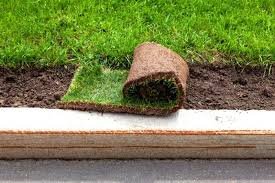
Winter can be a rough time for your grass as the cold, snow, and lack of sun can make it hard not only to survive but to thrive. While this may sound like a problem that can only be fixed with sodding and the drastic measures of starting a new lawn, this is definitely not the case. With some effort and the right plans set for spring, you can make your spotty grass a thing of the past. You can have the healthy, and evenly distributed grass of your ideal lawn.
In the following guide you will learn the best ways to fix your lawn with the harsh, inevitable, damage of winter. You will learn to avoid the most common spring time errors.
Know Why Damage Has Occurred to Your Grass
Jumping right into recovery with the knowledge of causes of winter damage is essential. Snow molds, compacted soils, and increased foot traffic can quickly cause your once luscious green lawn to wither and be spotted. Grass that is thinner can suffer from a number of causes. Neglected, and weak, home lawns can see much slower grass growth come spring.
Take a moment to assess your lawn and note the spots with low grass coverage or areas that seem to trap water. The right solution can be applied efficiently if the causes for the issues have been correctly determined. There is no longer a need for time wasting methods that lead to nowhere.
Take Soil Temperatures into Consideration
One of the biggest mistakes is not only related to the timing of the season, but the timing of seeding. In order for the seeds of grass to germinate the soils that those seeds are going into need to be at the right temperature. Cold soil can cause a number of issues within germination including seed death and extended states of dormancy.
The goal for temperatures of the soil for this specific type of grass is for it to be between 50°F and 65°F (10°C–18°C). This temperature can be achieved during early to mid spring in your particular area. The exact timing depends on a number of factors, some of which can be measured, and some of which are predictable, such as the use of a soil thermometer or readings on local temperatures.
Results tend to improve with a little more time and patience, rather than rushing the process.
Debris Clean Up
Before repairs start on the lawn, all winter debris must be cleaned up. The compost layer on top of the grass, made of dead grass and fallen leaves, blocks the sun and prevents grass from growing. Remove debris and loosen the top layer with a rake.
Cleaning debris and the compost layer exposes dark earth, and dead grass growth. Also, rake lightly. New grass growth is often fragile, and can be damaged easily.
Aerating and Tilling
Heavy snow during the winter coupled with lots of foot traffic leads to soil compaction. Soil compaction leads to little to no aeration. Grass roots have little room to grow and spread outwards and downwards.
The soil of your lawn doesn’t have to be so compactioned. For grass growth to occur, soil needs to be loosened. The top layer of the soil is the most important for growing grass. Patch like areas can be loosened by a small hand tool like a garden rake. Also, for large and heavily compact lawns, further soil aeration is help to loosen soil. Soil aeration is best achieved with soil compaction.
Grass Seed and Soil Preparation
Soil compaction and soil aeration aren’t the end of your grass growth problems. The seed to soil contact needs to be good to also grow grass. A grass growth technique called overseeding is a good practice.
Different grass types exist, for growing grass growth, they all differ. The top layer of the soil needs to be composed where seeds of the same type are sowed.
This is all about distributing seeds consistently. If you seed unevenly, you get uneven growth. Just be patient and seed evenly.
Water Smartly For Strong Growth
It is extremely important to water your lawn if you expect to cover all soils evenly and get all seeds to germinate. If you water unevenly, some areas may be muddy while others receive little water.
To avoid all of that, try to water it all evenly and lightly. If everything is all muddy, try to only keep the soil at the top of an inch muddy. But if the grass is growing, try to water less often and water more at a time.
To help the lawn grow and to help the grass grow as a result, water deep and less often.
Apply the Right Fertilizer
To help all the grass and soil recover, in the spring time try to water it and fertilize it to give it some nutrients.
To help it even more, try to fertilize it more in the spring. But be careful not to add too much fertilizer. The soil does get weak and can die as nutrients are added too quickly.
The soil is the most extremely important, especially the healthy soil, to grow healthy grass.
Avoid Common Early Spring Mistakes
Lawn recovery is all about balance for what to do and what you avoid.
A big mistake everyone makes is to cut it way too early and way too short. Giving grass enough time to grow helps it recover. And for the cut too short, that can be avoided by just raising the blades on the lawn mowing.
In the upcoming slides, we’ll discuss a few more aspects of lawn recovery, including the importance of keeping foot traffic to a minimum, the application of herbicides, and strategies to restore your lawn in a focused and sensible manner. We’ll wrap up the slides with a discussion of the factors involved when to seek help from the lawn care professionals.
Keep Out of Newly Seeded Areas
The foot traffic also disturbs the seedling and compacts the soil. After your lawn has been battered and you have worked to restore and nourish it, you should keep foot traffic to a minimum in those areas.
Having to keep foot traffic to a minimum will also mean you need to apply herbicides sparingly and only at the appropriate times. Many of them will actually kill the young grass and leave you with the only alternative of a more expensive and time consuming grass installation.
Severe Damage Restoration
Some areas aren’t recoverable, and will need as much intervention as the rest of the lawn to make it consistent. Due to factors like the degree of damage to the area and the need to maintain the integrity of the surrounding lawn, the most reasonable solution is only to repair the affected areas.
We will conclude our slides with the areas you can treat on your own and what it suggests when you need to seek help from the lawn care professionals.
When Professional Help Makes Sense
There is a time when more work and lawn care will be more beneficial from a professional. Widespread lawn care problems, lawn care with soil compression, poor drainage, or large patches of dead grass will be improved with the help of a professional.
Lawn care services in Creve Coeur, MO, will help with professional care and services that require the use of lawn equipment. This will allow lawncare to be more precise and promote seed growth.
Time will be saved and the quality of care will be improved with the help of professionals whose experience is backed with the use of professional lawn equipment.
Commitment leads to Results
Fixing patchy grass takes both patchiness and time to establish. During the spring, make a commitment to self and your grass to correct patchiness. Show dedication with regular water and mow. Help your patchy grass reach its full potential with fertilizer.
In the end patchy grass shows progress. Make minor changes as needed to reach peak patch domination. By mid summer the world will be your oyster, with grass, and you will make a great lawn.
Don’t Neglect It Next Winter
It is important to make a caddyshack reference to keep your lawn newer and not let it go back to tall grass. Grass that is more strong can survive cold.
Put emphasis and time into fertilization, mow, and soil with aeration.
It is best to keep your grass strong and act b4 you lose the grass.
Just a Thought
It is clear grass is a long time investment. A strategic approach gets the job done.
Invest time into your soil, maintain, and consistency. Act early and avoid mistakes. With effort and focus, your grass can become bountiful.
