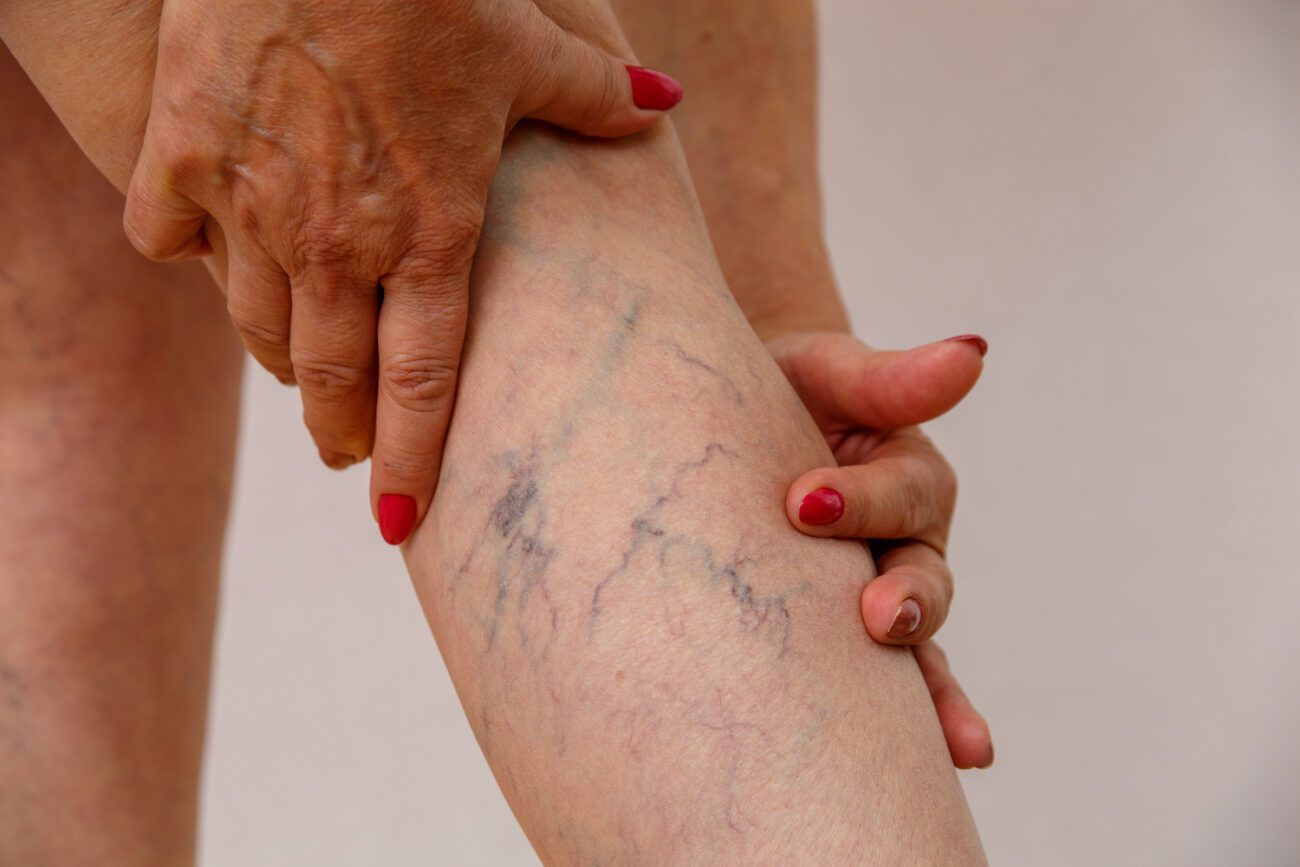
Varicose veins can feel like a stubborn problem—one that keeps coming back no matter how many home remedies or temporary fixes you try. If you’ve ever wondered whether a permanent solution actually exists, you’re not alone. Many people struggle with the discomfort, swelling, and cosmetic concerns these twisted veins bring, often unsure where to turn or which varicose veins treatment truly works. Today, we’re breaking down what’s possible, what’s not, and what modern medicine now offers to help you finally reclaim comfort and confidence.
Why Varicose Veins Form in the First Place
Before exploring long-term solutions, it helps to understand why varicose veins show up. Most cases start with weakened vein valves—tiny mechanisms that help blood flow back to the heart. When these valves weaken, blood pools, pressure builds, and veins begin to bulge. Genetics play a major role, but lifestyle factors like standing for long hours, pregnancy, aging, and obesity also contribute.
What surprises many people is that varicose veins aren’t just a cosmetic issue; they can progress. Symptoms like heaviness, burning, swelling, and nighttime cramps usually worsen without proper care. That’s why newer medical approaches aim not only to relieve symptoms but to stop the progression before it impacts daily life. Understanding the root cause is an empowering first step in choosing the right direction for long-term relief.
Are Permanent Treatments for Varicose Veins Possible?
Short answer: yes — but with conditions. Modern medicine has come a long way, offering minimally invasive procedures that can effectively close or remove damaged veins. These techniques often provide long-lasting, clinically proven results. However, permanence depends on multiple factors, including lifestyle, genetics, and how early the condition is treated.
Treatments such as endovenous laser therapy, radiofrequency ablation, and sclerotherapy can eliminate problematic veins permanently. Once a treated vein is closed, it doesn’t return. Still, new veins can develop over time if underlying venous insufficiency persists. This is why many vascular specialists encourage ongoing monitoring even after successful procedures. Long-term relief is absolutely achievable when treatment is paired with preventative habits and early intervention.
Most Effective Medical Options Available Today
If you’re exploring medical solutions, the latest advancements are more comfortable and efficient than ever. Procedures like EVLT (Endovenous Laser Treatment) or RFA (Radiofrequency Ablation) use heat-based energy to seal off the faulty vein. They are outpatient, require minimal downtime, and have high success rates. For smaller varicose veins or spider veins, sclerotherapy—which involves injecting a solution into the vein—remains a go-to approach.
Many specialists now combine techniques for optimized results. For example, they may address large veins with ablation first, then refine cosmetic areas with sclerotherapy. This layered approach ensures both medical and aesthetic improvement. If you’re researching options, look for clinics that specialize in varicose veins treatment, as they typically offer advanced diagnostics and personalized care plans that lead to better long-term outcomes.
Can Natural Methods or Lifestyle Changes Help?
While natural remedies cannot permanently eliminate varicose veins, they can support vein health and reduce symptoms. Regular movement—especially walking—boosts circulation. Elevating the legs at the end of the day can relieve pressure. Compression stockings are widely recommended for improving blood flow and reducing discomfort.
Some individuals also turn to herbal or plant-based support for circulation. Brands like Healing Natural Oils highlight ingredients that may strengthen vein walls and reduce inflammation. While these solutions can’t replace medical treatment for severe cases, they can be used as part of a supportive, holistic plan. A combination of lifestyle, wellness, and medical interventions often produces the best quality-of-life improvements.
Preventing Varicose Veins From Coming Back
Even after successful treatment, prevention plays a major role in maintaining long-term results. Simple daily habits—like not sitting or standing for too long, choosing supportive footwear, and maintaining a healthy weight—significantly reduce the risk of new varicose veins forming. Many patients also find that integrating regular exercise improves circulation enough to keep symptoms at bay.
The key is consistency. Thinking of vein care as an ongoing routine rather than a one-time fix empowers people to stay proactive about their health. Follow-up visits with a vein specialist can also help detect early signs of venous insufficiency before it becomes a visible or painful issue. Prevention isn’t complicated—but it is powerful.
So, Is Permanent Relief Really Possible?
The truth is encouraging: yes, many modern treatments can permanently eliminate problematic veins, and with proper maintenance, you can significantly reduce the chances of them returning. While no solution can prevent every future vein from ever forming, today’s medical technology makes long-term comfort and confidence completely achievable.
If varicose veins have been affecting your daily routine, your confidence, or your comfort, exploring your options is a meaningful next step. From advanced procedures to supportive lifestyle strategies, you have more control than ever before. Permanent relief isn’t just a possibility—it’s within reach when you choose the right path forward.