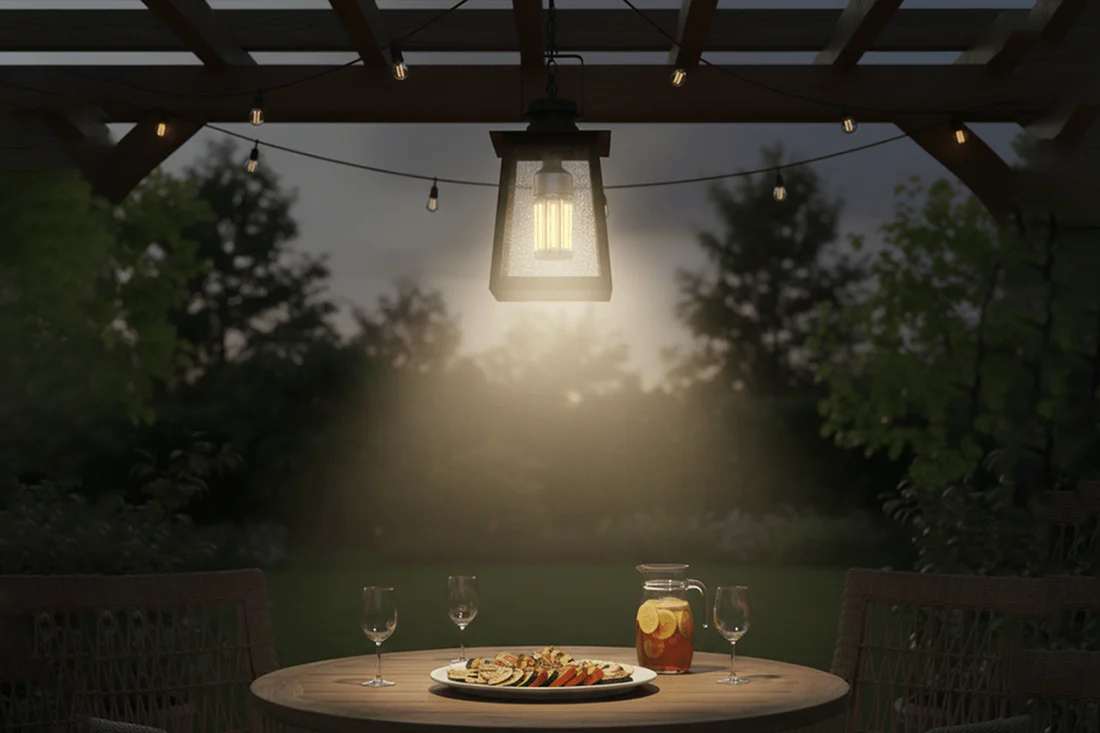
What Are LED Corn Bulb Lights?
LED corn bulb lights look like corn kernels. They contain tiny light-emitting diodes packed tightly together. These bulbs fit into standard sockets in your home. They replace older incandescent and halogen bulbs directly.
The small diodes produce bright light instantly. No warm-up time is needed. The light spreads in all directions from the bulb. This makes them perfect for ceiling fixtures and lamps.
Why this matters to you:
- Direct replacements for old bulbs
- Fit most existing fixtures without changes
- Work in any room of your home
- Produce bright, quality light immediately
Energy Savings With LED Corn Bulb Lights
LED corn bulb lights cut energy use dramatically. They use 75% to 85% less electricity than incandescent bulbs. A bulb using 12 watts replaces a 100-watt incandescent. Your electric bill drops noticeably within weeks.
Heat waste is almost eliminated. Old bulbs turned 90% of energy into heat. LED corn bulb lights convert 85% of energy into actual light. This means cooler homes in summer. You spend less on air conditioning.
Real numbers you should know:
- One LED corn bulb light saves $15-20 per year compared to incandescent
- A house using 40 bulbs saves $600-800 annually
- Payback happens in 12-18 months
- Savings continue for decades
Lifespan and Durability of LED Corn Bulb Lights
LED corn bulb lights last 25,000 to 50,000 hours. That’s 10 to 20 years of continuous use. Compare this to incandescent bulbs lasting only 1,000 hours.
You replace them rarely. Most homeowners change them just once per decade. Fewer replacements mean fewer trips to the store. Your time and money are saved.
The solid design of LED corn bulb lights prevents early failure. No filaments burn out. No gases leak away. Internal components stay stable for years.
Key lifespan facts:
- Last 25 to 50 times longer than incandescent bulbs
- Maintain 70% brightness even after rated lifespan
- Rarely fail before end of life
- Predictable performance helps you plan ahead
Light Quality From LED Corn Bulb Lights
LED corn bulb lights produce high-quality light. Modern versions have a color rendering index of 80-95. This means colors look natural and true to life. Food looks appetizing. Clothing colors appear accurate.
You can choose warm or cool light. Warm white (2700K) feels cozy like incandescent light. Cool white (5000-6500K) feels bright and energetic. Neutral white (4000K) works well in kitchens and offices.
Flicker is eliminated. Some LED bulbs flicker visibly, causing headaches and eye strain. High-quality LED corn bulb lights flicker at 40,000 Hz or faster. Your eyes cannot detect this. Comfort improves noticeably.
Light quality matters because:
- Better color rendering improves mood and visibility
- No flicker prevents eye strain and headaches
- Color temperature options suit any room
- Light feels natural, not artificial
Where to Use LED Corn Bulb Lights
LED corn bulb lights work in many locations. Kitchens need bright, clear light. These bulbs provide it without heat. Bathrooms benefit from accurate light for grooming and makeup.
Living rooms use warm white versions. They create comfortable environments for relaxation. Bedrooms also pair well with warm light. It supports natural sleep patterns.
Garages and workshops need strong light. LED corn bulb lights offer it. They don’t generate dangerous heat near tools or storage. Warehouses and factories use high-wattage versions. They illuminate large spaces cheaply.
Outdoor fixtures work with LED corn bulb lights too. Porch lights, garage floods, and landscape lights all work. These bulbs handle temperature swings well. They start instantly in cold weather.
Common installation locations:
- Kitchen ceiling fixtures and island lighting
- Bathroom vanity lights and overhead fixtures
- Living room lamps and ceiling lights
- Garage and basement workshops
- Outdoor porch and flood lights
- Commercial warehouse and shop lighting
Types and Wattage Options for LED Corn Bulb Lights
LED corn bulb lights come in different wattages. A 12-watt version replaces a 100-watt incandescent. A 20-watt version replaces a 150-watt incandescent. The actual power used is much lower.
Brightness is measured in lumens, not watts. Look at lumens when choosing. A 1,000 lumen bulb is moderately bright. A 5,000 lumen bulb is very bright. Check your fixture’s maximum lumen rating.
Socket types vary too. Most homes use E26 sockets. Larger fixtures use E39 or E40 sockets. Check your socket size before buying. Wrong size bulbs won’t fit.
Choosing the right specifications:
- Match socket size to your fixture (E26 is most common)
- Compare lumens, not watts, for brightness
- 800-1,200 lumens suit most rooms well
- 2,000+ lumens work for garages and shops
- Check color temperature for the room’s purpose
Installation Tips for LED Corn Bulb Lights
Installing LED corn bulb lights is simple. Turn off power at the switch. Wait for any old bulb to cool. Remove the old bulb by twisting counterclockwise.
Insert the new LED corn bulb light. Turn it clockwise until snug. Do not force it. Restore power and test the light. It should come on immediately.
Dimmable bulbs need compatible dimmer switches. Not all dimmers work with all LED bulbs. Check the bulb package for dimmer compatibility. Some older dimmers cause flickering. Consider replacing the dimmer if issues occur.
Enclosed fixtures need special attention. Heat builds up in recessed cans or covered fixtures. Choose LED corn bulb lights rated for enclosed spaces. Regular bulbs in enclosed fixtures fail early.
Installation steps you need:
- Turn off power before changing any bulb
- Let old bulbs cool completely first
- Verify socket type matches the bulb
- Insert new bulb and twist clockwise gently
- Test immediately after installation
- Use dimmable bulbs with dimmer switches only
- Choose enclosed-rated bulbs for covered fixtures
Choosing Between Warm and Cool Light
Warm white (2700K) feels cozy and relaxing. This matches traditional incandescent light. Bedrooms and living rooms use warm white best. It promotes relaxation before sleep.
Neutral white (4000K) balances warmth and brightness. Kitchens, bathrooms, and home offices work well with it. Tasks are visible without harsh light. Families appreciate the versatility.
Cool white (5000-6500K) feels bright and alert. Garages, workshops, and commercial spaces use it. Detailed work becomes easier. Concentration improves under cool light.
Some people prefer different temperatures in different rooms. Mix warm light downstairs and cool light in work areas. This creates zones with different purposes and moods.
Light temperature guide for rooms:
- Bedrooms: 2700K (warm white) for sleep support
- Living rooms: 2700K (warm white) for comfort
- Kitchens: 4000K (neutral white) for task lighting
- Bathrooms: 4000K (neutral white) for grooming
- Garages: 5000K (cool white) for detailed work
- Offices: 5000K (cool white) for focus and alertness
Smart LED Corn Bulb Lights and Home Automation
Smart LED corn bulb lights connect to your home network. Control them from your phone anywhere. Dim lights or change color temperature remotely. Automate schedules based on your routine.
Some smart LED corn bulb lights change color. Set them to any color you want. Create scenes for different moods. Movie mode dims to red. Party mode cycles through colors.
Voice control works with compatible systems. Say “Alexa, dim the kitchen” or “Google, turn off the lights.” Hands-free operation adds convenience. Voice control helps elderly people and those with mobility issues.
Scheduling features save energy automatically. Lights turn on before you arrive home. Outdoor lights shut off at midnight. Bedtime mode gradually dims the lights. Energy savings combine with convenience.
Smart LED corn bulb light benefits:
- Remote control from anywhere via smartphone
- Dimming and color temperature adjustment
- Voice commands with compatible assistants
- Automated schedules reduce human error
- Mood scenes for different activities
- Energy tracking shows real consumption
Maintenance and Care for LED Corn Bulb Lights
LED corn bulb lights need minimal maintenance. Dust them occasionally with a soft cloth. Built-up dust reduces brightness. Monthly cleaning keeps them bright.
Never touch the bulb directly with bare hands. Skin oils transfer to the bulb. They cause hot spots and reduce lifespan. Use a cloth when handling.
Check connections yearly. Make sure bulbs are seated firmly. Loose connections cause flickering or failure. A quarter turn clockwise tightens them.
Replace bulbs only when dimming becomes noticeable. Waiting until complete failure is fine. LED corn bulb lights rarely fail suddenly. They gradually dim over years.
Simple maintenance steps:
- Dust bulbs monthly with a soft cloth
- Never touch bulb surface with bare hands
- Check connections yearly for tightness
- Replace only when dimming becomes noticeable
- Turn off power before any maintenance work
LED Corn Bulb Lights for Outdoor Use
Outdoor LED corn bulb lights handle weather extremes. They work in temperatures from -20°C to 50°C. Rain and humidity don’t damage them. Snow won’t cause problems.
Porch lights benefit from instant operation. LED corn bulb lights turn on immediately in cold weather. Traditional lights struggle in freezing conditions. The brightness stays consistent.
Garage flood lights illuminate large areas. LED corn bulb lights provide bright, focused light. They stay cool, making them safe near combustible materials. Workshops appreciate consistent, flicker-free light.
Landscape lighting uses specialty LED corn bulb lights. Recessed ground lights and uplights accent landscaping beautifully. Colors can highlight plants and architectural features. Timer control reduces light pollution at night.
Outdoor applications:
- Porch and entry lights: Warm white 2700K
- Flood lights: Cool white 5000K for visibility
- Garage lights: Cool white for task lighting
- Landscape accents: RGB color options available
- Motion sensor fixtures: Fast response preferred
Making the Switch: Step-by-Step Guide
Start by counting your current bulbs. Note their wattage and socket type. This tells you what LED corn bulb lights to buy.
Purchase bulbs gradually if budgets are tight. Replace fixtures that use the most electricity first. Kitchens and garages use the most. Replace them before bedrooms.
Install bulbs one at a time. Test each one immediately. If flickering occurs, try a dimmable version or replace the dimmer. One problem solved at a time prevents frustration.
Give yourself time to adjust to new lighting. LED light looks different than incandescent light. Your eyes and brain adapt within a few days. Most people prefer the new light after adjustment.
Step-by-step transition process:
- Inventory current bulbs: count, note wattage, check socket type
- Calculate potential savings: multiply bulbs by annual savings
- Purchase high-use bulbs first: kitchens, garages, offices
- Install and test immediately after purchase
- Address any issues before buying more bulbs
- Complete transition gradually over several months
- Track savings after full replacement
Bottom Line: Why LED Corn Bulb Lights Matter
LED corn bulb lights transform homes. Energy bills drop noticeably. Light quality improves. Maintenance becomes nearly zero. Environmental impact decreases significantly.
The switch requires no special knowledge. Bulbs fit existing fixtures. Installation takes seconds. Results appear immediately.
Financial benefits stack up year after year. Savings exceed costs within 12 months. Subsequent years bring pure savings. These benefits continue for 20 years or more.
Smart investments improve your life. LED corn bulb lights are smart investments. They save money, improve lighting, and help the environment simultaneously.