Introduction:
Logging has undergone a significant transformation over the past few decades. Traditional timber harvesting often relied on manual labor and heavy machinery with limited regard for environmental impact or worker safety. Modern logging techniques, however, integrate advanced technologies, sustainable practices, and strict safety protocols to create a more efficient and responsible forestry industry. Today, forestry operations must balance productivity with ecological stewardship, regulatory compliance, and social responsibility, making modern logging practices an essential component of sustainable forest management.
By adopting these modern methods, forestry organizations can reduce waste, prevent unnecessary environmental damage, protect biodiversity, and maintain economic viability. Efficient planning, selective harvesting, and real-time monitoring are central to achieving these goals, ensuring that timber production aligns with long-term sustainability objectives.
Modern Equipment and Mechanization in Logging
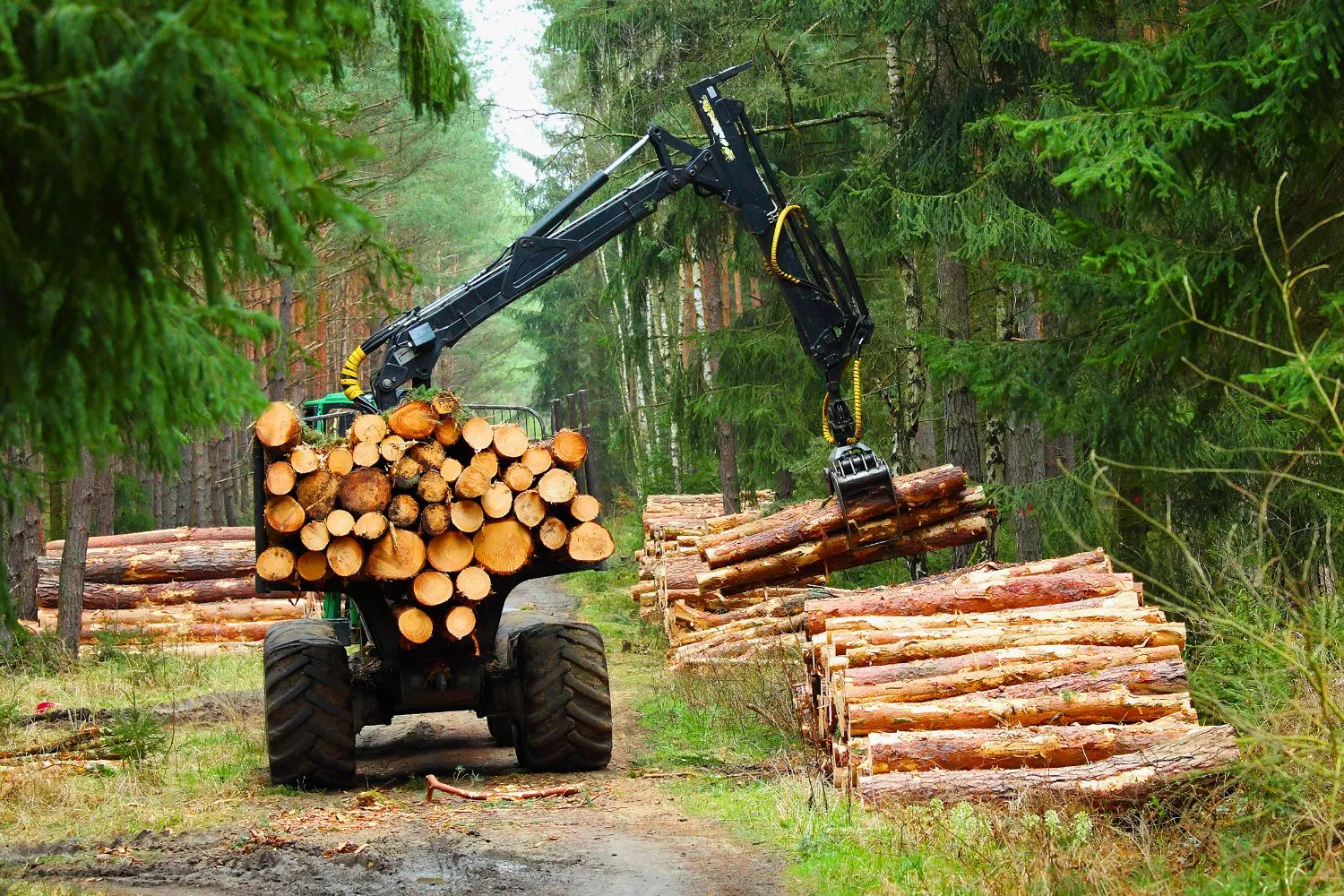
Mechanization has revolutionized logging operations, increasing both efficiency and safety. Modern harvesters, forwarders, and skidders enable precise tree felling, transportation, and processing with minimal manual labor. These machines are designed to reduce environmental impact by minimizing soil disturbance and optimizing timber extraction.
Harvesters equipped with computerized systems can measure tree dimensions, calculate volume, and determine optimal cutting strategies. Forwarders transport logs without dragging them across the forest floor, protecting soil and undergrowth. Skidders are now designed with GPS and terrain-adaptive technology, allowing operators to maneuver in challenging conditions safely.
Mechanization not only improves operational efficiency but also reduces the risk of accidents associated with manual tree felling. Training operators to use these machines safely is a critical aspect of modern logging, combining technology with human expertise for optimal outcomes.
Sustainable Logging Practices
Sustainability is a cornerstone of modern logging. Responsible forestry operations aim to maintain ecosystem balance, preserve biodiversity, and ensure long-term timber availability. Selective harvesting is a key technique, targeting only mature or diseased trees while leaving younger and healthy trees intact to continue growing.
Reforestation programs are implemented alongside harvesting to replenish extracted resources. Remote monitoring and geographic information systems (GIS) assist in planning harvests with minimal environmental disruption. Practices such as minimizing road construction, avoiding sensitive habitats, and using reduced-impact logging techniques are becoming industry standards, ensuring that timber production does not compromise ecological integrity.
Certification programs like FSC (Forest Stewardship Council) and PEFC (Programme for the Endorsement of Forest Certification) encourage sustainable logging practices, providing both market recognition and regulatory compliance for forestry companies.
Safety Measures in Modern Logging
Safety remains a major concern in logging, historically one of the most dangerous occupations. Modern techniques integrate advanced safety protocols, personal protective equipment (PPE), and real-time monitoring to minimize accidents. Operators are trained in machine handling, hazard recognition, and emergency response.
Technologies such as proximity sensors, GPS tracking, and automated control systems alert operators to potential dangers. Machine-assisted felling reduces manual exposure to falling trees, while automated log handling minimizes risks associated with lifting and moving heavy timber. Ensuring that safety measures are consistently applied improves worker confidence, reduces injury rates, and maintains operational efficiency.
Remote Sensing and Monitoring in Logging Operations
Logging efficiency and sustainability are increasingly supported by remote sensing technologies. Satellite imagery, drones, and LiDAR mapping provide real-time data on forest density, terrain conditions, and harvesting progress.
Remote monitoring helps in planning harvest routes, tracking regrowth, and detecting illegal logging activities. Thermal and multispectral imaging can identify stressed or diseased trees, optimizing selective harvesting. By combining remote sensing with GPS-equipped machinery, forestry managers can reduce environmental damage, enhance operational efficiency, and ensure compliance with sustainability standards.
Economic and Environmental Benefits
Modern logging techniques deliver both economic and ecological advantages. Mechanization and data-driven planning increase timber yield, reduce waste, and lower labor costs. Sustainable practices ensure continuous timber supply, enhancing long-term profitability.
Environmentally, reduced-impact logging and reforestation programs preserve soil quality, protect water resources, and maintain wildlife habitats. Responsible logging also supports carbon sequestration efforts, contributing to climate change mitigation while maintaining industry productivity.
Challenges and Considerations
Despite advancements, modern logging faces challenges. High initial investment in machinery, technology, and training can be a barrier for small-scale operations. Integrating sustainability goals with economic pressures requires careful planning and ongoing monitoring.
Environmental factors, such as extreme weather, soil erosion, or natural disasters, can disrupt operations. Additionally, remote areas may pose logistical challenges for equipment transport and maintenance. Overcoming these challenges requires a combination of technological innovation, skilled workforce, and strategic planning to maintain safe, efficient, and sustainable logging operations.
Conclusion:
Modern logging techniques demonstrate that forestry can be efficient, safe, and environmentally responsible. By integrating mechanization, sustainability practices, safety protocols, and remote monitoring technologies, the forestry industry can meet the growing demand for timber while preserving ecosystems and protecting workers.
Adopting advanced logging practices ensures operational efficiency, reduces environmental impact, and enhances economic viability. The future of forestry depends on balancing productivity with stewardship, and modern logging represents a vital step toward achieving that balance.