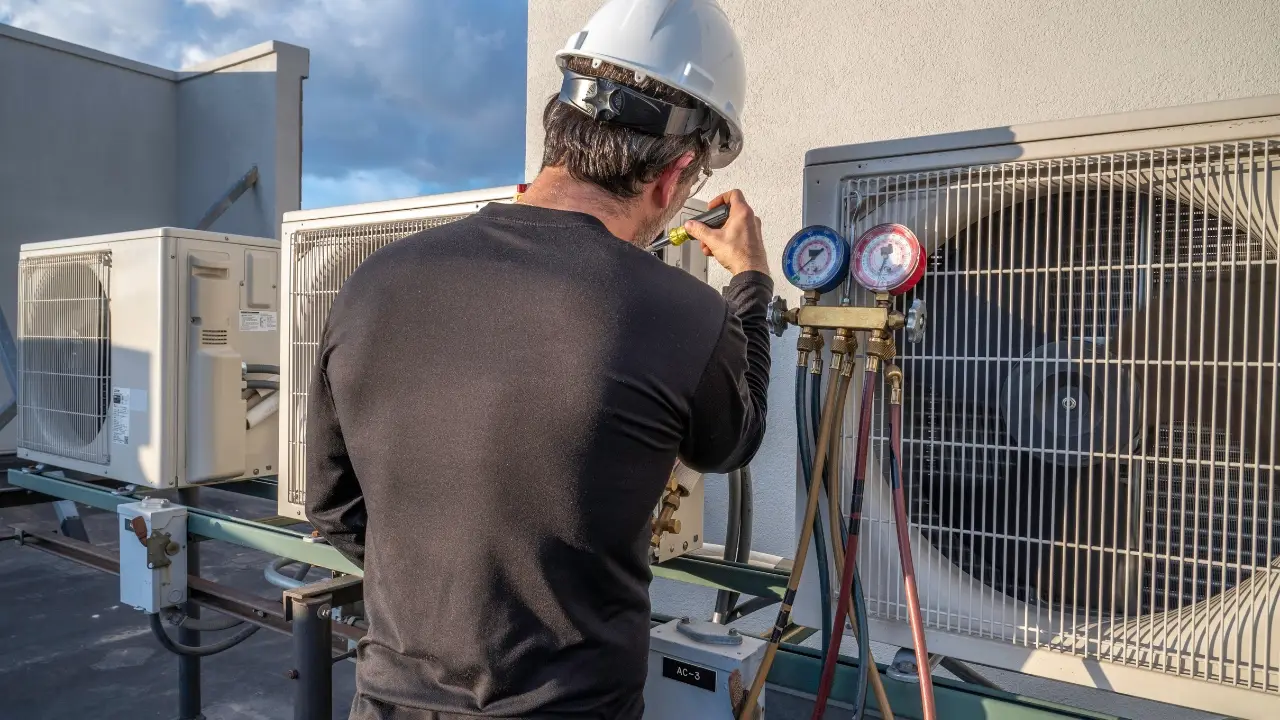
System balance is one of the most important yet least visible aspects of heating and cooling performance says MTD Property Management experts. When an HVAC system is balanced, temperature, airflow, and mechanical operation work together smoothly, creating comfort that feels natural rather than forced. Imbalance often manifests as uneven room temperatures, frequent cycling, or rising energy use, even when the equipment appears to be functioning. HVAC contractors focus on maintaining balance by understanding how each component influences the rest of the system. Their work involves observation, measurement, and careful adjustment that support steady performance across changing seasons. Understanding how balance is maintained helps property owners appreciate why comfort issues are rarely resolved by replacing a single component.
How Balance Is Preserved
- Coordinating Air Movement Throughout the Space
Air movement is one of the primary factors HVAC contractors evaluate when maintaining system balance. Conditioned air must reach every occupied space without creating pressure buildup or stagnation. Contractors examine how air moves from supply registers through rooms and back to return vents. Obstructions, poorly placed furniture, or unsealed ducts can disrupt this flow, causing some areas to feel uncomfortable. By adjusting dampers, correcting duct alignment, and ensuring return pathways are unobstructed, contractors help air circulate evenly. This coordination reduces temperature swings and prevents the system from overcompensating for uneven distribution. Balanced air movement allows heating and cooling output to match actual demand rather than reacting to localized problems.
- Synchronizing Equipment Output With Real Demand
HVAC systems perform most efficiently when equipment output closely matches the building’s actual needs. Contractors assess how long systems run, how frequently they cycle, and how quickly temperatures stabilize after startup. When output and demand are mismatched, balance is lost, leading to short cycles or prolonged runtimes. In many properties serviced by an HVAC contractor in Vista, CA, adjusting fan speeds or recalibrating controls restores balance without altering major components. This synchronization allows equipment to operate within stable ranges, supporting consistent comfort while minimizing unnecessary strain. Matching output to demand is essential for maintaining long-term system balance.
- Managing Pressure Differences Between Rooms
Pressure differences between rooms can quietly undermine HVAC balance. When pressure is uneven, doors may drift open or closed, airflow may reverse unexpectedly, and comfort becomes inconsistent. Contractors measure pressure across zones to identify imbalances caused by closed doors, undersized returns, or poorly designed duct layouts. Addressing these issues may involve adding return pathways or redistributing airflow to relieve pressure buildup. Balanced pressure supports predictable airflow patterns and helps maintain even temperatures throughout the structure. This attention to pressure management contributes to quieter operation and smoother system response during heating and cooling cycles.
- Fine-Tuning Control Responses
Control systems serve as the decision-makers in HVAC systems, translating temperature readings into operational commands. Contractors evaluate whether thermostats and sensors reflect actual conditions or are influenced by localized heat sources or drafts. Improper readings can cause systems to overcorrect, leading to imbalance. By repositioning sensors or adjusting control parameters, contractors help systems respond more accurately to overall conditions. This refinement supports stable indoor environments by reducing unnecessary fluctuations. When controls provide reliable feedback, the entire system operates with greater consistency.
- Adapting Balance to Building Layout Changes
System balance is not static, especially in buildings that evolve over time. Renovations, room additions, and changes in occupancy patterns alter how heating and cooling demand is distributed. HVAC contractors reassess the balance whenever layouts change, ensuring that new spaces integrate smoothly with existing systems. Without these adjustments, added rooms may draw too much airflow or leave other areas underserved. Contractors modify duct configurations and control strategies to maintain harmony across the entire structure. This adaptability ensures that balance is preserved even as buildings change.
- Maintenance as a Foundation for Ongoing Balance
Routine maintenance plays a central role in preserving HVAC balance. Dust accumulation, worn belts, and drifting settings can gradually disrupt airflow and system response. Contractors perform inspections that identify early signs of imbalance before comfort is affected. Maintenance tasks such as cleaning coils, checking motor performance, and verifying airflow settings help keep systems operating as intended. By maintaining consistent system conditions, contractors prevent small deviations from escalating into noticeable comfort issues. Ongoing care supports balance over the system’s lifespan rather than allowing gradual decline.
- System Balance and Energy Stability
Balanced HVAC systems tend to operate more steadily, which supports predictable energy use. When systems are unbalanced, they often cycle excessively or run longer than necessary, increasing consumption. Contractors monitor how balance adjustments affect runtime and energy patterns, refining settings to support steady operation. This stability reduces mechanical stress and helps systems adapt smoothly to daily temperature changes. Balanced operation benefits both comfort and efficiency by allowing systems to respond proportionally rather than reactively.
Balance as an Ongoing Process
Maintaining HVAC system balance is a continuous process that requires attention to airflow, pressure, controls, and changing building conditions. HVAC contractors approach balance as a system-wide objective rather than a one-time adjustment. Through careful coordination and regular evaluation, they help systems operate smoothly under varying demands. Understanding this process highlights why comfort issues often stem from imbalance rather than equipment failure. When balanced, heating and cooling systems deliver steady performance, adapt to daily use, and create indoor environments that feel naturally comfortable over time.