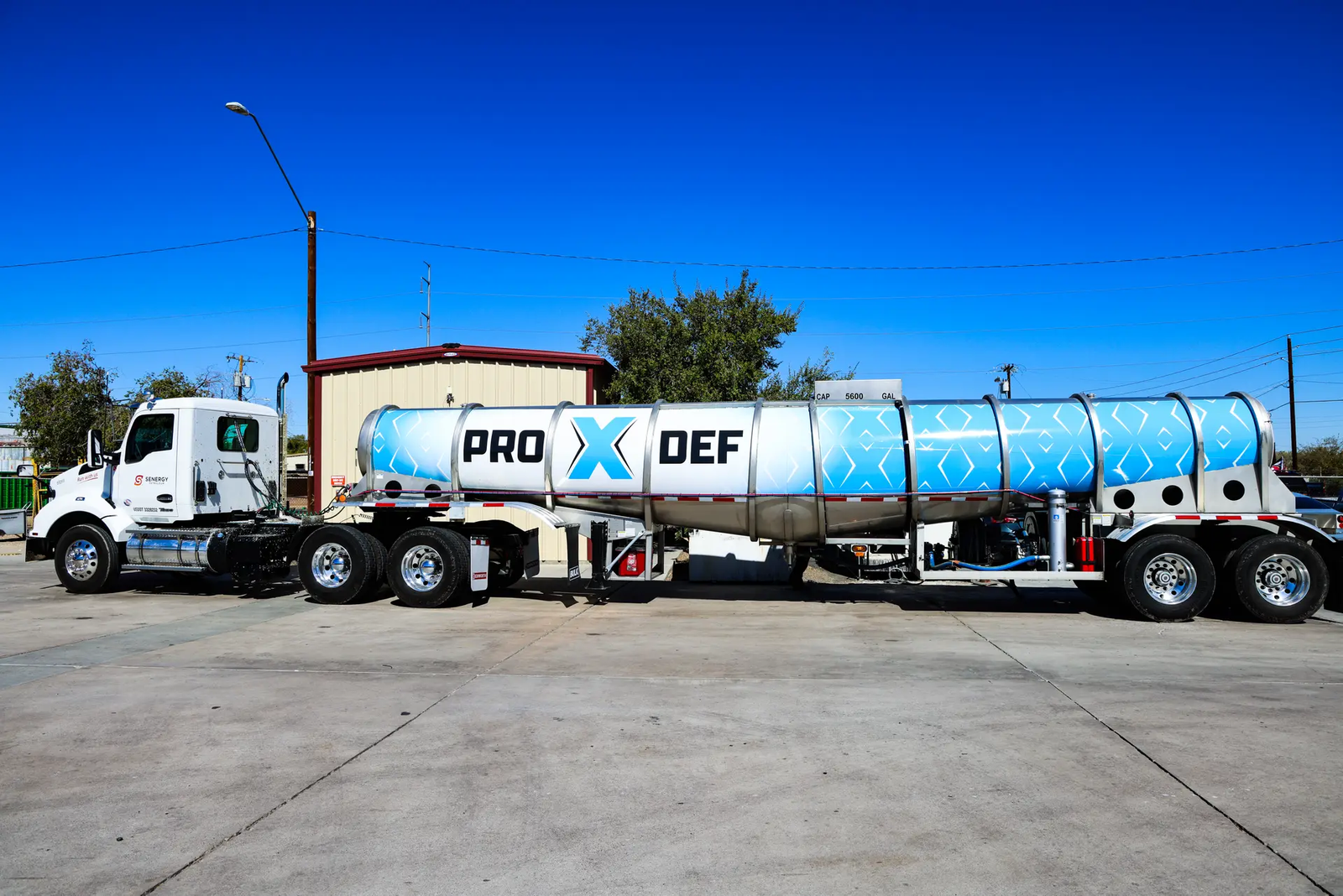
Diesel Exhaust Fluid (DEF) has emerged as an essential consumable for modern diesel engines, primarily because it helps reduce harmful nitrogen oxide emissions while maintaining peak engine performance. Industries that rely on diesel-powered machinery, logistics, and transportation face a growing need for an uninterrupted DEF supply. Ensuring a steady DEF supply can be challenging, especially for large fleets or high-demand operations. This is where bulk DEF delivery becomes crucial, providing a streamlined, cost-effective, and reliable solution for businesses. In this article, we will explore DEF’s role in diesel engines, the benefits of bulk delivery, best practices for handling and storage, supplier considerations, and strategies to optimize DEF management.
What Diesel Exhaust Fluid Is and How It Works
Diesel Exhaust Fluid is a colorless, non-toxic solution composed of 32.5% high-purity urea and 67.5% deionized water. Its precise formulation allows it to participate in the Selective Catalytic Reduction (SCR) process used in modern diesel engines. When injected into the exhaust stream, DEF reacts with nitrogen oxides (NOx) to form harmless nitrogen and water vapor. This process reduces air pollution and ensures compliance with stringent environmental regulations.
DEF’s role is non-negotiable for modern diesel engines. Engines without DEF fail to meet emission standards, which can result in regulatory fines and operational penalties. Industries like transportation, agriculture, construction, and public services increasingly depend on DEF to maintain engine efficiency while adhering to environmental laws.
Why Businesses Are Shifting to Bulk DEF Delivery
Managing DEF supply through frequent small-scale purchases can be inefficient. Ordering small quantities leads to higher transportation costs, risks of supply interruptions, and administrative complexity. Bulk DEF delivery solves these challenges by providing large quantities of DEF in a single shipment.
With bulk delivery, businesses benefit from reduced logistical burdens, predictable supply schedules, and better inventory control. Operations continue without the risk of running out of DEF, which is critical because engine downtime caused by DEF shortages can halt business activities, delay projects, and incur additional costs.
Key Benefits of Bulk DEF Delivery
Cost Savings and Operational Efficiency
Purchasing DEF in bulk significantly reduces the per-gallon cost compared to frequent small orders. Additionally, fewer deliveries mean reduced transportation expenses. These savings compound over time, particularly for companies operating extensive fleets or heavy machinery. Bulk DEF delivery also reduces administrative workload, as inventory monitoring and ordering processes are simplified.
Ensuring Operational Continuity
Running out of DEF can trigger engine fault codes, reduce performance, and, in some cases, prevent vehicles from starting. Bulk delivery ensures a constant supply, allowing businesses to maintain operational continuity. Minimizing downtime is especially crucial for industries where machinery or transport vehicles operate around the clock.
Environmental Compliance and Sustainability
DEF is essential for reducing NOx emissions. Bulk delivery helps businesses maintain compliance with environmental regulations and avoid fines or legal issues. Beyond compliance, regular access to DEF supports corporate sustainability initiatives by contributing to cleaner emissions and a smaller environmental footprint.
Simplified Inventory Management
Bulk DEF delivery reduces the complexity of managing frequent shipments. A predictable, consolidated supply enables businesses to plan their inventory, track usage, and schedule refills with minimal administrative effort. Companies can better anticipate DEF demand and maintain adequate stock levels without the stress of constant reordering.
Best Practices for Handling and Storing DEF
Proper handling and storage of DEF are critical to preserving its effectiveness. DEF is highly sensitive to contamination, extreme temperatures, and contact with certain materials. Mishandling can compromise its quality, potentially damaging engine components and reducing emissions control efficiency.
Storage Conditions
DEF should be stored in clean, sealed containers away from direct sunlight. Ideal storage temperatures range between 12°F (-11°C) and 86°F (30°C). While freezing does not permanently harm DEF, thawing is necessary before use. Prolonged exposure to high temperatures can degrade the urea, reducing the fluid’s effectiveness.
Material Compatibility
DEF is corrosive to certain metals, including carbon steel, copper, and brass. Storage tanks, pumps, and pipelines should be made from materials compatible with DEF, such as stainless steel, specific plastics, or aluminum. Using inappropriate materials can contaminate DEF and cause engine system damage.
Preventing Contamination
Contamination is one of the most common issues affecting DEF quality. Dust, oils, dirt, and other chemicals can render DEF ineffective. Companies should maintain a clean environment, use dedicated equipment for DEF transfer, and implement strict quality control procedures to prevent contamination.
Regulatory Compliance
Bulk DEF storage and transport may be subject to safety and industry regulations. Companies should familiarize themselves with labeling, safety standards, and transportation guidelines to ensure compliance and avoid potential penalties.
Selecting a Reliable Bulk DEF Supplier
Choosing the right supplier is critical to ensure a consistent, high-quality DEF supply. A dependable supplier can provide reliable deliveries, maintain product standards, and offer supportive customer service. Factors to consider include:
- Product Quality: Verify that the DEF meets ISO 22241 standards for purity and concentration.
- Delivery Capabilities: Evaluate the supplier’s ability to consistently meet bulk delivery requirements.
- Customer Support: Responsive and accessible support is essential for addressing supply issues or emergencies.
- Storage Solutions: Some suppliers offer storage tanks or equipment to support efficient DEF management, which can simplify operations.
Implementing an Effective Bulk DEF Program
To fully benefit from bulk DEF delivery, businesses should establish a structured DEF management program. This includes planning, monitoring, and maintaining the DEF supply chain efficiently.
Accurate Demand Forecasting
Determine DEF requirements by analyzing fleet size, machinery usage, and operational schedules. Accurate forecasting prevents overstocking and minimizes shortages.
Monitoring Inventory Levels
Track DEF consumption and stock levels using digital monitoring systems or automated alerts. This allows for proactive ordering and prevents unexpected shortages.
Employee Training
Staff handling DEF should be trained on proper storage, contamination prevention, and safe transfer practices. Educated personnel reduce the risk of DEF contamination and associated engine problems.
Quality Control
Regular testing of DEF ensures it meets required purity and concentration standards. Quality control preserves engine performance, ensures environmental compliance, and protects long-term operational efficiency.
Addressing Challenges in Bulk DEF Delivery
Although bulk DEF delivery offers numerous benefits, businesses may face challenges such as transportation logistics, storage limitations, and maintaining DEF quality over time. Solutions include investing in climate-controlled storage tanks, establishing strict handling protocols, and planning deliveries according to seasonal or operational demands. Partnering with a reliable supplier also helps mitigate these challenges by ensuring timely delivery and consistent product quality.
Emerging Trends and Innovations in Bulk DEF Management
As environmental regulations tighten and diesel engines evolve, the DEF industry is advancing in storage, handling, and delivery methods. Modern monitoring systems allow real-time tracking of DEF levels, automated refills, and contamination alerts, improving operational efficiency. Suppliers are also exploring sustainable packaging and transportation methods to minimize environmental impact. Businesses that adopt these innovations can reduce costs, increase efficiency, and enhance sustainability practices, positioning themselves ahead of competitors.
Conclusion:
Bulk DEF delivery has become indispensable for modern diesel operations. By providing cost savings, ensuring operational continuity, simplifying inventory management, and supporting environmental compliance, bulk delivery allows businesses to maintain peak performance. Implementing proper storage, handling, and quality control measures ensures DEF effectiveness, prolongs engine life, and minimizes downtime.
For companies managing fleets or heavy machinery, investing in a comprehensive bulk DEF program is not just practical but strategic. Reliable access to high-quality DEF guarantees efficient engine performance, adherence to environmental regulations, and uninterrupted operations. In the long term, leveraging bulk DEF delivery enhances operational efficiency, reduces costs, and supports sustainable practices, making it a critical component of modern industrial strategy.