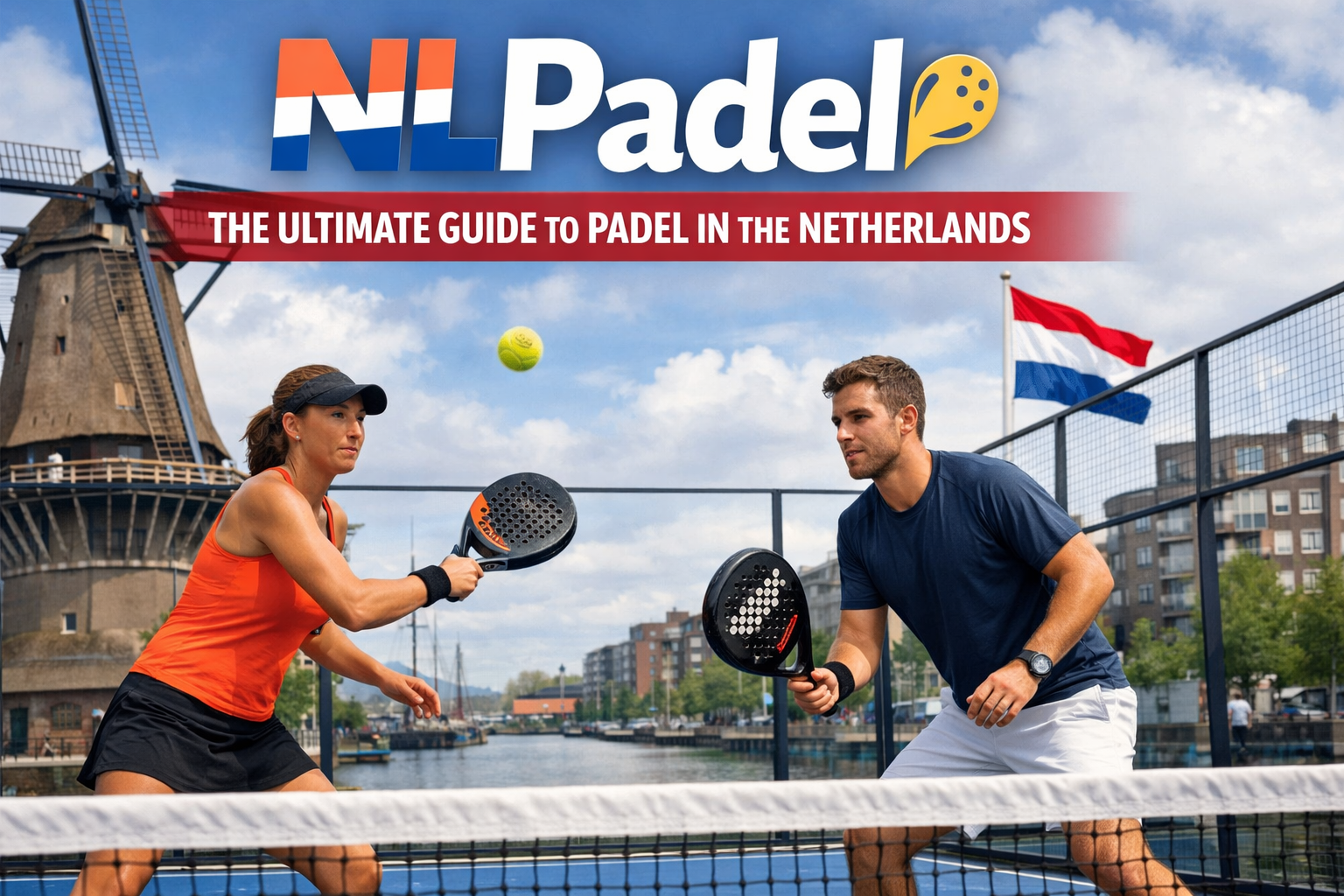
NLPadel is the term used to describe padel in the Netherlands. It encompasses everything from local clubs and tournaments to the growing popularity of the sport within Dutch communities. Padel is a fun, social, and fast-paced racket sport that has rapidly gained traction across the country. NLPadel is not just a sport but a movement that continues to grow in reach, making it an integral part of the sporting culture in the Netherlands.
What Is Padel?
Padel is a racket sport that blends elements of tennis and squash. It is played in doubles, typically with four players on a smaller court than a traditional tennis court. The game uses a solid racket with no strings and a ball that is similar to a tennis ball.
What makes padel unique is its use of the walls around the court. Much like in squash, the ball can bounce off the walls, which adds an extra layer of strategy to the game. This feature makes it a dynamic and exciting sport for players of all ages and abilities.
The Growth of NLPadel in the Netherlands
Padel’s journey in the Netherlands began in the early 2000s. However, it was in the last decade that the sport experienced exponential growth. Today, padel is one of the fastest-growing sports in the country, with a rising number of courts and clubs.
Several factors have contributed to this rapid growth:
1. Accessibility
Unlike tennis, padel is easier to pick up and enjoy, even for beginners. The smaller court size, underhand serves, and use of walls make the game more accessible. Whether you are new to racket sports or an experienced player, padel offers a low barrier to entry.
2. Social Nature
Padel is typically played in doubles, which means it encourages social interaction. Many people play to have fun with friends, family, or colleagues, making it a popular choice for socializing while staying active.
3. Support from Tennis Associations
The sport has been supported by the Royal Dutch Lawn Tennis Association (KNLTB), which helped organize and promote padel alongside tennis. This collaboration has given padel a strong foundation and contributed to its widespread appeal in the Netherlands.
How NLPadel Works: Clubs, Courts, and Events
Padel Clubs and Courts
Across the Netherlands, padel clubs are springing up in cities and towns, offering people easy access to the sport. Most clubs provide indoor and outdoor courts that players can rent. Many also offer lessons and coaching for beginners, intermediate, and advanced players.
Tournaments and Competitions
As the popularity of padel grows, so do the opportunities to compete. Many clubs host local tournaments and leagues. These events provide players with the chance to test their skills in a fun, competitive environment. At the national level, the Netherlands also organizes padel championships, attracting top players from around the country.
Padel for All Ages
One of the key attractions of padel is that it is suitable for players of all ages and fitness levels. Whether you are a child learning the sport, an adult playing for fitness, or a senior enjoying a light social game, padel offers something for everyone.
Why NLPadel Matters: The Impact on Dutch Sports Culture
Padel’s success in the Netherlands reflects a larger shift toward more inclusive and social sports. It’s not just about competition; it’s about connecting with others and staying active in an enjoyable way. For many Dutch people, padel is not just a hobby but a way of life.
Moreover, padel’s growing popularity is influencing how sports are consumed in the country. Where traditional sports like tennis and soccer have long dominated, padel has emerged as an exciting alternative. This has helped diversify the sports landscape, giving people more choices to engage in physical activity.
How to Get Started with NLPadel
Getting involved in NLPadel is easy, and there are several ways to start:
1. Find a Local Club
There are numerous padel clubs across the Netherlands. Simply search for a club in your area and inquire about membership or court bookings. Most clubs offer a beginner-friendly environment to help you learn the ropes.
2. Take a Lesson
If you’re new to padel, taking a lesson with a coach is a great way to get started. Many clubs offer group and private lessons, where experienced instructors teach the basics of the game, such as proper technique, positioning, and strategies.
3. Join a Social Game
Once you feel confident, consider joining a social game at your local club. These are relaxed, fun matches where you can meet new people and enjoy the sport in a non-competitive environment.
4. Participate in Tournaments
As you gain more experience, you might want to try your hand at tournaments. Most clubs organize friendly competitions that cater to various skill levels, so there’s no need to feel intimidated.
The Future of NLPadel
The future of padel in the Netherlands looks bright. With the continued expansion of courts and clubs, the sport will continue to grow in popularity. The social and accessible nature of padel ensures that it will attract more people to stay active and have fun. Moreover, as the sport becomes more established, we can expect even larger tournaments and more opportunities for players at every level.
Conclusion: NLPadel as Part of Dutch Sporting Life
NLPadel is not just a sport—it is a growing community that fosters fun, fitness, and connection. It has become a major part of Dutch sports culture, offering a welcoming space for players of all ages and skill levels. The increasing number of clubs, events, and social games means that padel is here to stay in the Netherlands.
Whether you are new to racket sports or a seasoned player, padel offers an engaging and enjoyable experience. Its simplicity, social nature, and accessibility make it the perfect sport for anyone looking to get active and meet new people. As the sport continues to grow, NLPadel will undoubtedly play a significant role in shaping the future of Dutch sports.
By learning the basics and joining the vibrant community of NLPadel, you’re stepping into a welcoming and exciting sport that will keep you active for years to come.