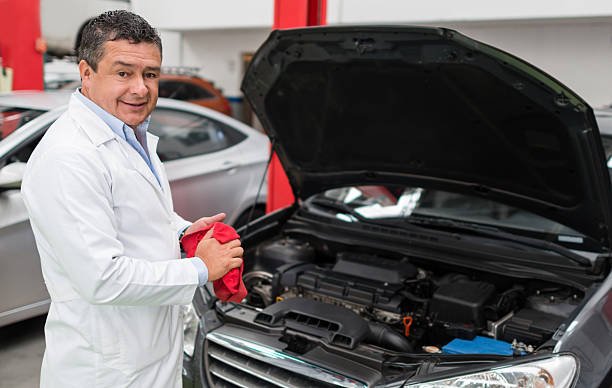
Most of us rely on our vehicles every day, whether it’s commuting to work, running errands, or heading out on a weekend adventure. Yet, despite how crucial our cars are to our daily lives, many people overlook one of the most important aspects of vehicle ownership: regular maintenance. Skipping routine check-ups may seem harmless, but it can quickly lead to expensive repairs, safety hazards, and even life-threatening situations. Understanding the importance of car care is essential for protecting both your wallet and your well-being.
Safety First: Avoid Accidents Before They Happen
Your car is a complex machine with hundreds of moving parts working in harmony. Tires, brakes, engine components, and lights all play a role in keeping you safe on the road. Neglecting maintenance can compromise these systems and increase your risk of accidents. For example, worn-out brake pads or low tire tread can reduce stopping power and traction, especially in wet or icy conditions. Similarly, old or low-quality fluids can cause engine failure or overheating, potentially leaving you stranded in hazardous situations.
Regular maintenance doesn’t just protect your car; it protects your life. In the unfortunate event of an accident caused by mechanical failure, having proper maintenance records can also be valuable. Consulting an auto accident lawyer in Tulsa, OK may help if you need legal guidance related to a crash caused by vehicle issues.
Save Money: Small Checks Prevent Big Expenses
It might seem counterintuitive, but spending a little money on routine maintenance can save you thousands in the long run. Simple tasks like oil changes, fluid top-ups, and tire rotations are relatively inexpensive. However, ignoring these small updates can lead to major failures. For instance, failing to replace your timing belt on schedule can result in catastrophic engine damage—often costing several thousand dollars to repair.
Similarly, keeping your tires properly inflated and rotated improves fuel efficiency, reducing gas expenses over time. Preventative maintenance is essentially an investment in your vehicle’s longevity and your financial peace of mind.
Longevity Matters: Extend Your Vehicle’s Life
The average vehicle is a significant investment, often representing years of savings. Regular maintenance helps ensure that your car performs at its best for as long as possible. By taking care of critical systems like the engine, transmission, brakes, and suspension, you reduce wear and tear and prevent premature aging. Vehicles that are well-maintained not only last longer but also retain higher resale value when it’s time to upgrade.
Environmental Impact: Cleaner, Greener Driving
A well-maintained vehicle isn’t just good for your safety and wallet—it’s better for the environment too. A car with dirty filters, old oil, or faulty emissions systems can pollute the air more than a properly maintained one. Regular maintenance ensures that your vehicle runs efficiently, emits fewer harmful gases, and consumes fuel more effectively. By caring for your car, you’re also taking a small step toward protecting the planet.
Practical Tips for Staying on Top of Maintenance
Maintaining your vehicle doesn’t have to be complicated. Here are a few practical steps to keep your car in top shape:
- Follow the Manufacturer’s Schedule – Your owner’s manual contains recommended maintenance intervals for oil changes, tire rotations, and other critical services.
- Check Fluids Regularly – Keep an eye on oil, coolant, brake fluid, and transmission fluid levels to prevent damage.
- Inspect Tires and Brakes – Look for uneven wear, low tread, or squeaking brakes and replace parts as needed.
- Monitor Lights and Electronics – Ensure headlights, brake lights, and turn signals are functioning properly.
- Listen to Your Vehicle – Unusual noises, vibrations, or smells are often early warning signs that something needs attention.
Conclusion: Prioritize Your Pit Stops
Vehicle maintenance may not be the most exciting part of car ownership, but it is one of the most important. Regular check-ups, preventative repairs, and careful attention to your car’s needs help prevent accidents, save money, extend the life of your vehicle, and even reduce environmental impact. A few minutes of proactive care today can spare you hours of frustration and costly repairs tomorrow.
Remember, your car is more than just a mode of transportation—it’s an investment in your safety, comfort, and peace of mind. Taking care of it ensures that every journey is smooth, reliable, and safe. Don’t wait for breakdowns or costly repairs to remind you; schedule your next vehicle maintenance check and prevent the pit stop before it’s too late.