Introduction:
Chimneys are essential components of many homes, providing safe ventilation for fireplaces, stoves, and heating systems says Greenwood Management team. Over time, however, the mortar holding bricks or stones together can deteriorate due to weathering, moisture, and temperature fluctuations. This degradation can compromise the structural integrity of the chimney, allowing water penetration, increasing the risk of cracks, and reducing overall safety.
Professional chimney repointing restores the mortar joints between bricks or stones, reinforcing the structure while preventing water infiltration and related damage. Properly executed repointing not only enhances the durability of the chimney but also improves the appearance of the exterior masonry. Understanding the techniques, maintenance practices, and long-term benefits of professional chimney repointing is crucial for homeowners seeking to preserve the safety, functionality, and value of their property.
Signs That Repointing is Needed
Identifying the need for chimney repointing early can prevent extensive damage and costly repairs. Common indicators include crumbling, cracked, or missing mortar between bricks, visible gaps that expose the interior of the chimney, and water staining or efflorescence on the exterior masonry. In severe cases, loose bricks may become dislodged, posing safety hazards to the property and its occupants.
Other signs include deteriorating brick surfaces, uneven mortar lines, or mortar powder accumulating at the base of the chimney. Moisture intrusion due to compromised joints can accelerate structural damage and promote mold growth inside the chimney or fireplace. Early recognition of these warning signs allows homeowners to schedule professional repointing before minor issues escalate into significant structural problems.
Step-by-Step Techniques for Professional Chimney Repointing
Professional chimney repointing involves a series of precise steps to restore the integrity of mortar joints without damaging the masonry.
1. Inspection and Assessment: The process begins with a thorough inspection of the chimney to assess the condition of mortar joints, identify damaged bricks, and evaluate overall structural integrity. Technicians look for cracks, erosion, and moisture-related issues that may require attention before repointing begins.
2. Removing Deteriorated Mortar: Old or damaged mortar is carefully removed using hand tools or specialized grinders. Care is taken to avoid damaging adjacent bricks or masonry surfaces, ensuring that the new mortar adheres properly.
3. Preparing the Joint Surface: Once the deteriorated mortar is removed, the joints are cleaned to remove debris, dust, and loose particles. This step ensures optimal bonding between the existing masonry and the new mortar.
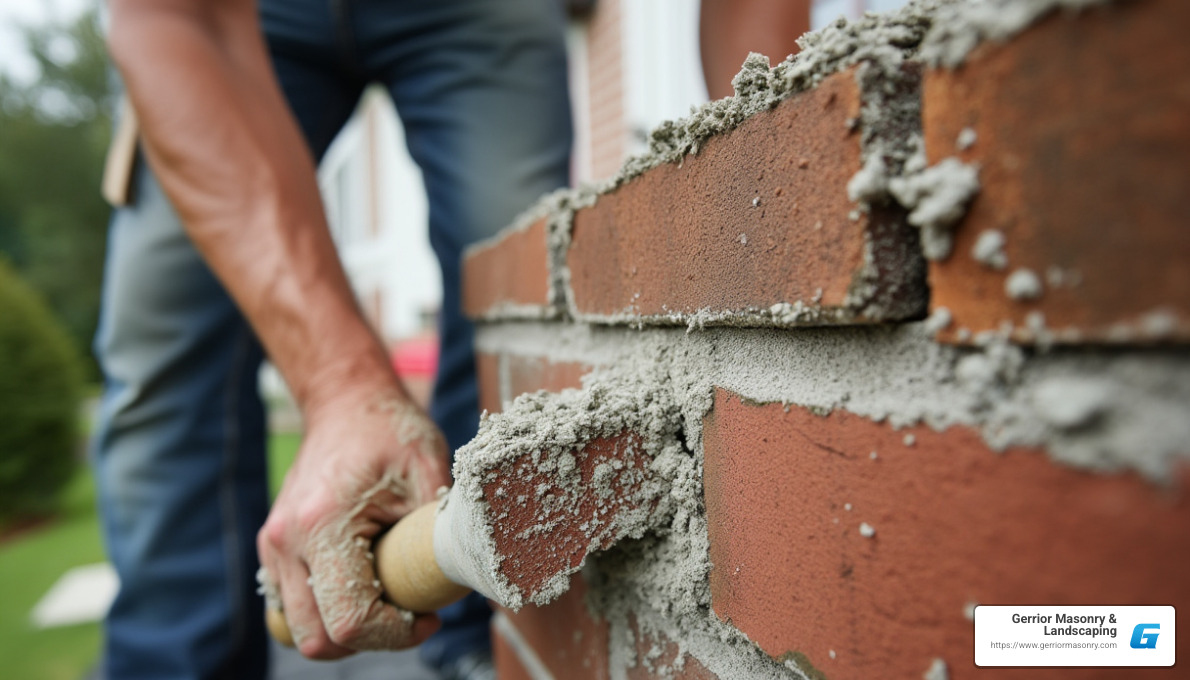
4. Mixing and Applying New Mortar: Professional-grade mortar is mixed to the correct consistency and applied into the joints using trowels or pointing tools. The mortar is packed tightly to ensure durability and a consistent finish that matches the original masonry.
5. Finishing and Tooling: After filling the joints, technicians shape and smooth the mortar to match the existing profile of the chimney. Proper tooling ensures water resistance, aesthetic uniformity, and structural integrity.
6. Curing and Final Inspection: The mortar is allowed to cure according to manufacturer specifications, and a final inspection is performed to confirm that joints are fully sealed and structurally sound.
Maintenance Tips for Long-Term Chimney Health
Regular maintenance following professional repointing is essential to extend the life of a chimney and prevent premature deterioration. Key maintenance practices include:
- Annual Inspections: Schedule yearly professional inspections to identify any new cracks, moisture intrusion, or mortar deterioration.
- Cleaning and Debris Removal: Keep the chimney clear of leaves, soot, and creosote buildup to prevent blockages and reduce fire risk.
- Moisture Protection: Apply appropriate water-repellent treatments or chimney caps to minimize water penetration while allowing the masonry to breathe.
- Prompt Repairs: Address minor cracks, loose bricks, or mortar issues immediately to prevent more extensive damage.
Consistent maintenance following repointing ensures that the chimney remains safe, functional, and visually appealing for many years.
Long-Term Benefits of Professional Chimney Repointing
Professional chimney repointing offers several advantages that extend beyond immediate repairs.
- Structural Integrity: Repointing strengthens mortar joints, reinforcing the chimney against wind, thermal stress, and settling.
- Moisture Resistance: Properly sealed joints prevent water intrusion, reducing the risk of interior water damage, mold growth, and brick deterioration.
- Enhanced Safety: Reinforced masonry reduces the likelihood of falling bricks and structural failure, protecting both property and occupants.
- Energy Efficiency: Well-sealed chimneys improve the efficiency of fireplaces and heating systems by preventing drafts and heat loss.
- Aesthetic Improvement: Freshly pointed mortar enhances the visual appeal of the chimney, maintaining the property’s curb appeal and value.
Investing in professional repointing protects the structural and aesthetic integrity of the chimney while providing long-term cost savings by avoiding major repairs.
Conclusion
Professional chimney repointing is a critical maintenance task for preserving the safety, efficiency, and appearance of any masonry chimney. By following precise step-by-step techniques, applying durable mortar, and implementing consistent maintenance practices, homeowners can prevent water damage, structural deterioration, and safety hazards. The long-term benefits include enhanced structural integrity, improved energy efficiency, reduced maintenance costs, and preserved property value.
Hiring a skilled professional for chimney repointing ensures that the work is performed to the highest standards, safeguarding your chimney against future damage and extending its service life. Properly maintained chimneys provide peace of mind, functional reliability, and lasting beauty for any home.