Creating a comfortable indoor environment is no longer considered a luxury; it is a necessity for modern living. As temperatures continue to fluctuate and seasonal extremes become more common, homeowners are increasingly investing in reliable cooling solutions that provide consistent comfort, improved air quality, and energy efficiency. Understanding the process, benefits, and long-term value of air-conditioning residential installs is essential for anyone considering upgrading or installing a new system in their home.
Residential air conditioning systems have evolved significantly over the past few decades. What was once a simple cooling unit has now become a sophisticated climate control system designed to regulate temperature, manage humidity, and filter indoor air. With advancements in smart technology and energy-efficient designs, homeowners can now enjoy improved comfort while reducing their energy bills and environmental footprint.
Understanding Modern Residential Air Conditioning Systems
Before diving into installation considerations, it is important to understand the different types of air conditioning systems available for residential use. Each system serves a specific purpose and is suited to particular home layouts, budgets, and cooling needs.
Central Air Conditioning Systems
Central air conditioning systems remain one of the most popular options for whole-home cooling. These systems use a network of ducts to distribute cooled air throughout the house. They typically consist of an outdoor condenser unit and an indoor air handler connected by refrigerant lines. The system works by extracting heat from indoor air and releasing it outside, creating a consistently cool indoor environment.
Central systems are ideal for larger homes and properties that already have ductwork in place. They provide even cooling and can be integrated with smart thermostats for precise temperature control.
Ductless Mini-Split Systems
Ductless mini-split systems are an excellent alternative for homes without existing ductwork. These systems consist of an outdoor compressor and one or more indoor air-handling units. Each indoor unit can be controlled independently, allowing homeowners to create customized cooling zones.
This flexibility not only enhances comfort but also improves energy efficiency by cooling only the spaces in use. Many homeowners choose ductless systems when planning new air-conditioning residential installs because they offer adaptability and minimal structural disruption.
Heat Pumps
Heat pumps are versatile systems capable of both heating and cooling. They operate similarly to traditional air conditioners but can reverse the process to provide warmth during colder months. This dual functionality makes them a cost-effective and energy-efficient solution for year-round climate control.
Window and Portable Units
While not typically part of full-scale installation projects, window and portable air conditioning units are still common in smaller homes and apartments. However, they are generally less efficient and less powerful than central or ductless systems.
The Importance of Professional Installation
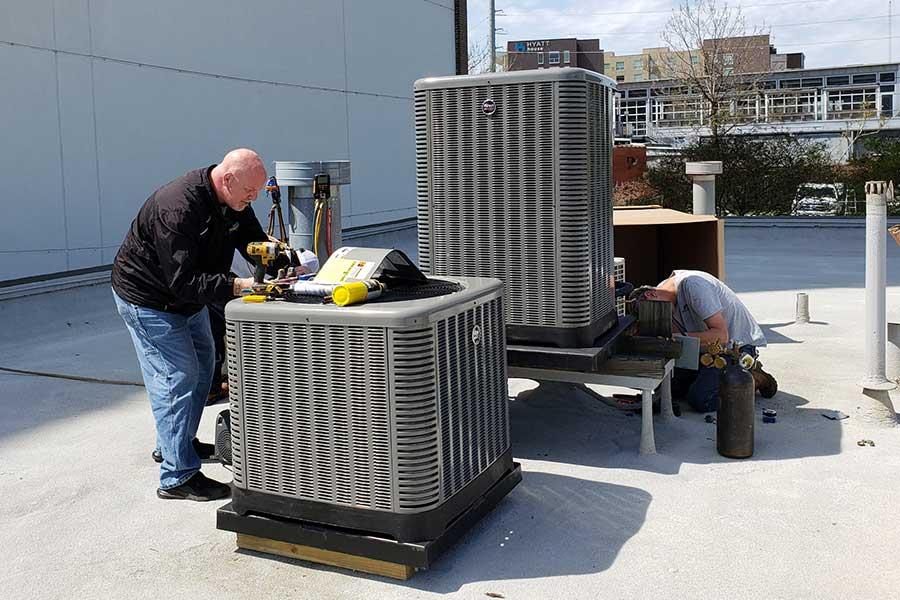
A properly installed air conditioning system ensures optimal performance, longevity, and safety. While some homeowners may consider DIY options, professional installation remains the most reliable way to guarantee system efficiency and compliance with safety standards.
Professional installers conduct thorough home assessments to determine the appropriate system size and type. Oversized systems can cycle on and off too frequently, leading to inefficiency and wear, while undersized units may struggle to cool the space adequately. Proper load calculations account for factors such as square footage, insulation quality, window placement, and ceiling height.
Additionally, licensed technicians ensure that refrigerant levels, electrical connections, and airflow components are correctly configured. These details significantly impact the performance and durability of new air-conditioning residential installations.
Energy Efficiency and Environmental Considerations
Energy efficiency is one of the most important factors homeowners consider when investing in a new air conditioning system. Modern systems are designed to meet strict efficiency standards, reducing energy consumption and lowering utility costs.
Seasonal Energy Efficiency Ratio (SEER)
SEER ratings measure the cooling output of an air conditioner relative to its energy consumption. Higher SEER ratings indicate greater efficiency. Many modern residential systems offer significantly higher SEER ratings than older units, resulting in noticeable energy savings over time.
Eco-Friendly Refrigerants
Older air conditioning systems often relied on refrigerants that contributed to ozone depletion. Today’s systems use environmentally safer alternatives that comply with international environmental regulations. This shift not only protects the environment but also improves system efficiency.
Smart Technology Integration
Smart thermostats and automated climate control systems allow homeowners to monitor and adjust temperatures remotely. These devices optimize energy usage by learning household patterns and adjusting cooling schedules accordingly. Integrating smart controls into air-conditioning residential installations enhances both convenience and cost savings.
Improving Indoor Air Quality
Beyond cooling, modern air conditioning systems play a vital role in maintaining indoor air quality. As homes become more tightly sealed for energy efficiency, proper ventilation and filtration are increasingly important.
High-quality air filters capture dust, pollen, pet dander, and other airborne contaminants. Some systems also include advanced purification technologies that reduce bacteria and allergens. Maintaining clean indoor air contributes to better respiratory health and overall well-being for household members.
Humidity control is another critical factor. Excess moisture can lead to mold growth and structural damage, while overly dry air may cause discomfort. Modern systems are designed to balance humidity levels, creating a healthier living environment.
The Installation Process Explained
Understanding what to expect during installation can help homeowners prepare and ensure a smooth experience.
Initial Consultation and Assessment
The process begins with a comprehensive evaluation of the home’s layout, insulation, and cooling requirements. Professionals perform load calculations and discuss system options with the homeowner.
System Selection
Based on the assessment, installers recommend suitable systems. Factors such as budget, long-term energy savings, and desired features influence the final decision.
Preparation and Setup
Technicians prepare the installation area, which may involve modifying ductwork, installing mounting brackets, or upgrading electrical components. Proper preparation ensures the system operates efficiently and safely.
Installation and Testing
The system components are installed, connected, and tested for performance. Technicians verify airflow, refrigerant levels, and thermostat calibration. Once testing is complete, homeowners receive instructions on system operation and maintenance.
A carefully executed installation ensures that air-conditioning residential installations perform reliably for years to come.
Maintenance and Long-Term Performance
Regular maintenance is essential for preserving the efficiency and lifespan of an air conditioning system. Even the most advanced systems require periodic inspections and cleaning.
Routine Maintenance Tasks
Replacing or cleaning air filters Inspecting and cleaning coils Checking refrigerant levels
Examining electrical components Clearing debris around outdoor units
Annual professional servicing helps identify potential issues before they escalate into costly repairs. Proper maintenance not only extends system life but also maintains optimal energy efficiency.
Cost Considerations and Return on Investment
The cost of installing a residential air conditioning system varies based on system type, home size, and installation complexity. While the upfront investment may seem significant, the long-term savings often outweigh initial expenses.
Energy-efficient systems reduce monthly utility bills. Additionally, modern installations can increase property value and enhance market appeal. Prospective buyers frequently prioritize homes with updated HVAC systems, recognizing the comfort and efficiency benefits.
Financing options and manufacturer warranties further improve affordability and peace of mind.
Choosing the Right Contractor
Selecting a reputable contractor is one of the most important decisions in the installation process. Homeowners should look for licensed, insured professionals with proven experience in residential HVAC projects.
Key factors to consider include:
- Positive customer reviews and testimonials
- Transparent pricing and written estimates
- Clear warranty policies
- Certification and technical training
A qualified contractor ensures that all air-conditioning residential installations meet industry standards and local building codes.
Future Trends in Residential Cooling
The HVAC industry continues to evolve, driven by technological advancements and environmental awareness.
Variable-Speed Technology
Variable-speed compressors adjust cooling output based on real-time demand. This technology enhances comfort by maintaining consistent temperatures and reducing energy consumption.
Integration with Renewable Energy
Some homeowners are pairing air conditioning systems with solar panels to offset electricity usage. This integration supports sustainability while lowering operating costs.
Advanced Zoning Systems
Zoning systems divide homes into separate climate-controlled areas. By cooling only occupied spaces, these systems further improve efficiency and comfort.
As innovation progresses, residential air conditioning systems will continue to become smarter, quieter, and more environmentally friendly.
Common Mistakes to Avoid
Homeowners should be aware of common pitfalls that can compromise system performance:
- Choosing a system based solely on price
- Ignoring proper sizing calculations
- Skipping professional installation
- Neglecting routine maintenance
Avoiding these mistakes ensures that your investment delivers maximum value and long-term comfort.
Final Thoughts
Investing in a modern air conditioning system is a significant decision that directly impacts comfort, energy efficiency, and home value. With a wide range of system options available, homeowners can select solutions tailored to their specific needs and budgets. Professional installation, regular maintenance, and energy-conscious choices are key factors in maximizing system performance.
As climate patterns continue to shift and energy efficiency becomes increasingly important, the demand for high-quality air-conditioning residential installations will only grow. By understanding the installation process, evaluating system options carefully, and partnering with qualified professionals, homeowners can create a comfortable indoor environment that lasts for years.
Ultimately, a well-designed and properly installed air conditioning system is more than just a cooling solution; it is an investment in health, comfort, and long-term savings. With the right approach, homeowners can enjoy reliable performance, lower energy costs, and improved indoor air quality, making residential air conditioning one of the most valuable upgrades a property can have.