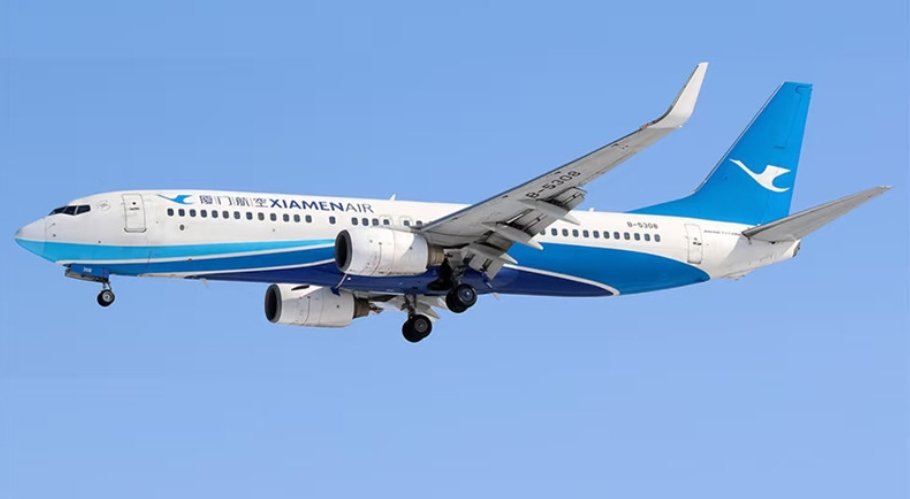
Aluminum alloys play a critical role in modern industry, especially in sectors where high strength, low weight, and durability are essential. From commercial aviation to high-performance transportation and industrial equipment, engineers rely on advanced aluminum grades to meet demanding mechanical and environmental requirements.
Among the many aluminum families available today, the 7000 series stands out for its exceptional strength and structural performance. However, selecting the right alloy within this group is not always straightforward. Different grades offer distinct advantages depending on design priorities such as fracture toughness, corrosion resistance, and fatigue life.
This article provides a practical overview of high-strength aluminum alloys, with a focus on the 7000 series, and explains how engineers approach material selection for critical aerospace applications.
Why High-Strength Aluminum Matters
In aerospace engineering, reducing structural weight without compromising safety or performance is a constant challenge. Aluminum alloys offer an ideal balance between mechanical strength and mass efficiency, making them a preferred alternative to steel and titanium in many aircraft components.
High-strength aluminum alloys are commonly used in:
- Aircraft structural frames and wing components
- Fuselage panels and floor beams
- Landing gear parts and fittings
- Aerospace tooling and jigs
Among these materials, zinc-based aluminum alloys deliver some of the highest strength levels available in aluminum metallurgy.
Overview of the 7000 Series Aluminum Alloys
The 7000 series aluminum alloys are primarily alloyed with zinc, magnesium, and copper. Through solution heat treatment and aging, these alloys achieve exceptional tensile and yield strength, particularly in T6 and T7 tempers.
Typical characteristics of 7000 series alloys include:
- Very high strength-to-weight ratio
- Excellent fatigue resistance
- Heat-treatable microstructure
- Suitability for highly stressed aerospace components
Because of these advantages, 7000 series alloys are widely used in critical aircraft structures such as wing spars, fuselage frames, and load-bearing fittings. A comprehensive overview of grades, compositions, and performance characteristics is available in this reference on 7000 series aluminum, which outlines how different alloys are optimized for specific aerospace requirements.
Why Alloy Selection Within the 7000 Series Matters
Although all 7000 series alloys share a common metallurgical foundation, their real-world performance can differ significantly. Small variations in alloy chemistry, impurity control, and heat treatment processes influence key properties such as fracture toughness and corrosion resistance.
In aerospace design, material selection is rarely based on strength alone. Engineers must consider long-term reliability, damage tolerance, and behavior under cyclic loading.
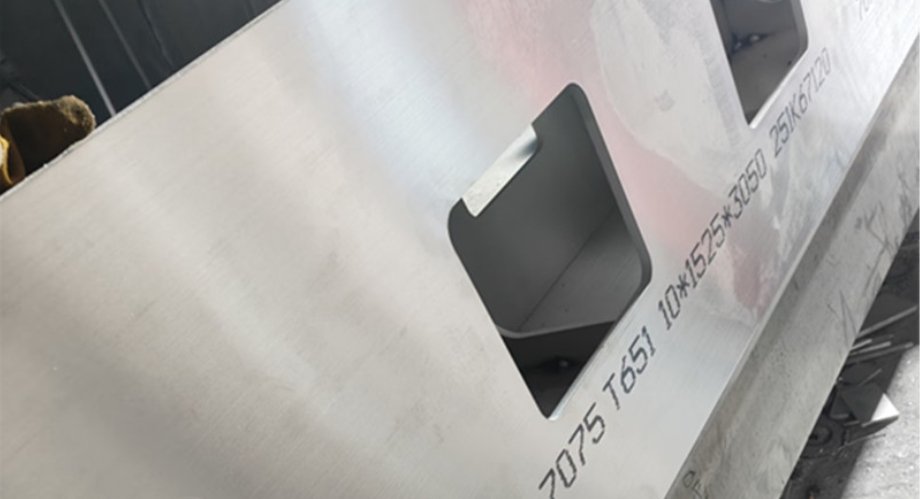
Comparing 7075 and 7175 Aluminum Alloys
Among high-strength aluminum grades, 7075 and 7175 are frequently compared due to their similar strength levels and widespread aerospace use. However, understanding the 7175 and 7075 aluminum difference is essential when selecting materials for safety-critical or fatigue-sensitive structures.
7075 Aluminum: A Proven Aerospace Standard
7075 aluminum is one of the most widely used high-strength alloys in aerospace manufacturing. Its key advantages include:
- Very high tensile and yield strength
- Good machinability
- Broad availability in plate, sheet, and extruded forms
Because of its strong performance-to-cost ratio, 7075 is commonly used in aircraft fittings, structural reinforcements, and high-load components. However, in thicker sections or harsh service environments, its fracture toughness and resistance to stress corrosion cracking may be limiting factors.
7175 Aluminum: Improved Damage Tolerance
7175 aluminum was developed to improve upon the structural reliability of standard 7075. While maintaining comparable strength, 7175 typically offers:
- Higher fracture toughness
- Improved resistance to stress corrosion cracking
- Better through-thickness mechanical properties
These features make 7175 particularly suitable for thick aerospace plates and primary structural components where damage tolerance and long service life are critical.
In many aerospace programs, the choice between 7075 and 7175 is driven by safety margins rather than peak strength values.
How Aerospace Engineers Choose the Right Alloy
Selecting the appropriate aluminum alloy involves balancing multiple technical and practical considerations:
- Component thickness
Thicker sections often require alloys with superior through-thickness properties.
- Operating environment
Exposure to humidity, temperature variation, and cyclic stress affects material performance.
- Fatigue and fracture requirements
Aerospace standards prioritize predictable failure behavior and long fatigue life.
- Manufacturing constraints
Availability, cost, and machinability influence final material selection.
As a result, alloys such as 7050, 7150, and 7475 are increasingly used alongside traditional 7075 in modern aerospace structures.
Future Trends in Aerospace Aluminum Alloys
The evolution of aerospace aluminum alloys continues to emphasize reliability and consistency rather than simply maximizing strength. Current development efforts focus on:
- Enhanced resistance to stress corrosion cracking
- Improved performance in thick sections
- Greater process control and material uniformity
- Sustainability and recyclability
These trends reinforce the importance of informed alloy selection within the 7000 series family.
Conclusion
The 7000 series aluminum alloys remain a cornerstone of aerospace structural design, offering an exceptional combination of strength and weight efficiency. While 7075 continues to serve as a versatile and widely used standard, alloys such as 7175 provide enhanced damage tolerance for demanding applications.
By understanding the performance differences among 7000 series alloys and aligning material properties with application requirements, aerospace engineers can make informed decisions that improve safety, durability, and long-term value.