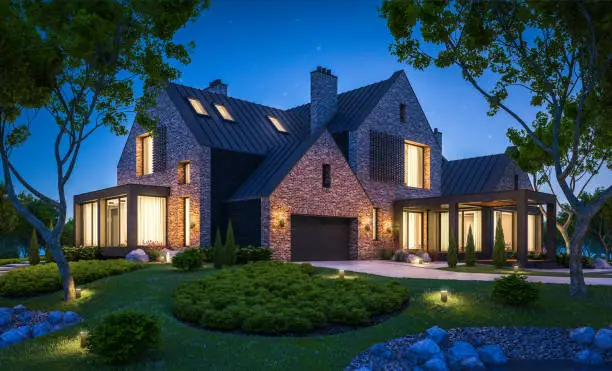
A large front yard is a double-edged sword in exterior design. While it offers a vast canvas for creativity, the sheer scale can easily lead to a layout that feels either sparse and disconnected or cluttered and overwhelming. Achieving a balanced lighting design requires more than just high-powered bulbs; it requires a strategic approach to symmetry, depth, and visual layering.
Establishing the Focal Point
In any balanced layout, the eye needs a place to land. For most residential properties, the primary focal point is the entryway. Lighting should “funnel” the viewer’s attention toward the front door using increased intensity or warmer tones. By highlighting the architectural details of the entrance, you create a central anchor that allows the rest of the yard’s lighting to feel intentional rather than accidental.
The Power of Layering and Depth
A common mistake in large yards is “flat” lighting—placing all lights at the same distance from the curb. To create a professional look, you must design in layers:
- Foreground: Low-voltage path lights or well-lights to define the boundaries of the property.
- Midground: Highlighting specimen trees, flower beds, or water features to provide texture.
- Background: Illuminating the façade of the home and outlining rooflines to provide height and structure.
By Varying the distance and elevation of your light sources, you create a sense of three-dimensional depth that makes a large yard feel cozy and curated.
Balancing Trees and Architecture
Symmetry doesn’t always mean a “mirror image,” but it does mean visual equilibrium. If you have a massive oak tree on the left side of your yard that is heavily up-lit, the right side of the yard needs a corresponding element—perhaps a cluster of smaller shrubs or architectural grazing on a stone wall—to prevent the landscape from feeling “heavy” on one side. When outlining rooflines, focus on the strongest architectural peaks to provide a clean silhouette without creating “visual noise” through excessive flickering or over-crowding.
Practical Examples: Good vs. Excessive Design
Good design is characterized by restraint. A well-balanced yard uses “pools of light” and intentional shadows to create contrast. For example, instead of lighting every single tree in a row, consider lighting every second or third tree to create a rhythmic, sophisticated pattern.
Excessive design, on the other hand, often looks like “light pollution.” This happens when there are too many competing focal points or when floodlights are used so aggressively that they wash out the natural textures of the stone and foliage. If the house is visible from a mile away like a stadium, the balance has been lost.
Professional Precision
Designing a layout of this magnitude can be a technical challenge. Many residential christmas light installers now utilize advanced software to provide custom design mockups. These digital previews allow homeowners to visualize how different layers of light will interact, ensuring balanced coverage across the entire estate before a single bulb is installed.
Conclusion
A large front yard is an opportunity to showcase the best features of your home. By focusing on symmetry, layering your light sources, and respecting the shadows as much as the highlights, you can transform a vast dark space into a balanced, welcoming masterpiece.