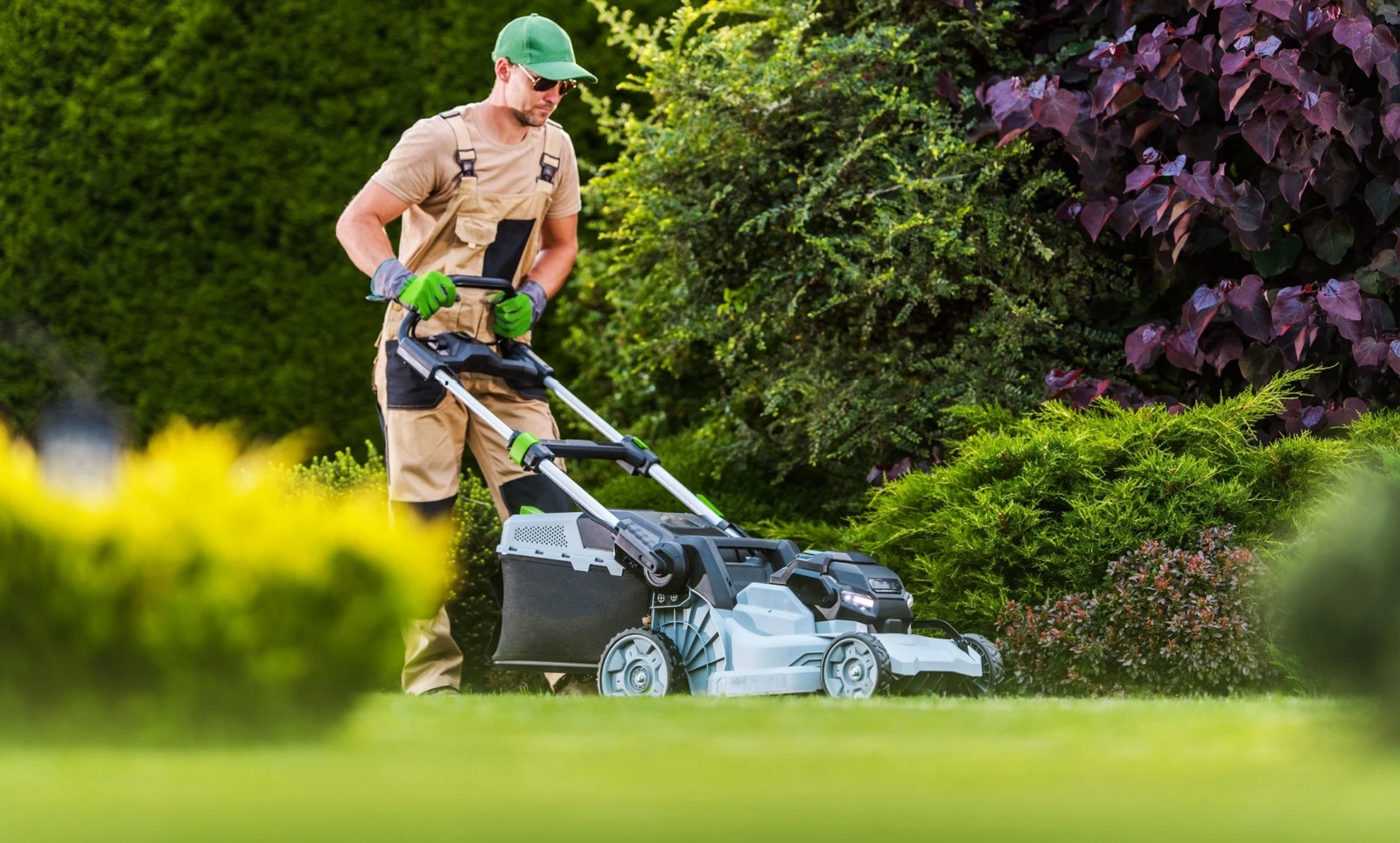
Maintaining a healthy, vibrant lawn goes far beyond occasional mowing or watering says Whitetail Properties Real Estate. A well-cared-for lawn improves property aesthetics, enhances curb appeal, and creates an enjoyable outdoor space for relaxation and activities. However, achieving a lush, green lawn requires planning, consistent effort, and knowledge of proper lawn care techniques. Many homeowners underestimate the complexity of lawn maintenance, thinking that basic mowing and watering are sufficient. In reality, successful lawn maintenance involves understanding soil health, seasonal growth cycles, proper watering, nutrient management, pest control, and long-term care strategies. When approached strategically, lawn maintenance not only produces a visually appealing yard but also strengthens the turf, making it resilient against environmental stressors, pests, and diseases.
Understanding the Basics of Lawn Maintenance
A healthy lawn starts with a strong foundation. Proper soil preparation and understanding the type of grass suited for your climate and soil type are essential. Soil quality directly affects nutrient availability, water absorption, and root development. Compacted or poor-quality soil can prevent grass from establishing deep roots, leaving it vulnerable to drought, pests, and disease. Aerating the soil periodically allows oxygen, water, and nutrients to penetrate deeper, encouraging strong root growth. Regular soil testing can also help determine nutrient deficiencies and guide fertilization schedules.
Mowing is another fundamental aspect of lawn maintenance. Proper mowing height varies depending on grass type, but cutting too short can stress the turf and encourage weed growth, while cutting too long may cause uneven growth and shading. Maintaining sharp mower blades ensures clean cuts that heal quickly and reduce stress on the grass. By establishing a regular mowing routine, lawns can grow more uniformly, develop greater density, and resist invasive weeds naturally.
Watering Strategies for a Healthy Lawn
Proper watering is one of the most important factors in lawn maintenance. Grass requires water to thrive, but overwatering or shallow watering can damage roots and encourage disease. Deep, infrequent watering is recommended to promote strong root systems that can access moisture during dry periods. Early morning is the ideal time for watering, as it reduces evaporation and minimizes the risk of fungal problems.
Advanced watering strategies, such as using smart irrigation systems or rain sensors, improve water efficiency while maintaining consistent lawn health. Adjusting watering schedules according to seasonal variations ensures that the lawn receives enough moisture without excess. Efficient watering supports drought tolerance, reduces maintenance efforts, and conserves water resources over time.
Fertilization and Nutrient Management
Grass requires a balanced supply of nutrients to maintain its health, color, and density. Fertilization is an essential component of lawn maintenance, providing nitrogen, phosphorus, potassium, and other trace elements necessary for growth. However, over-fertilizing can damage grass, promote weed growth, and increase the risk of runoff that affects the environment. Under-fertilizing can result in pale, weak turf that struggles to recover from stress.
Slow-release fertilizers are highly recommended, as they provide consistent nutrients over time, reducing the need for frequent applications. Incorporating seasonal fertilization schedules tailored to the grass type and local climate ensures optimal growth and strengthens the lawn against stressors such as drought, pests, and heavy foot traffic.
Weed and Pest Control in Lawn Maintenance
Weeds and pests are common challenges that can compromise the health and appearance of a lawn. Preventive measures are more effective than reactive solutions. Healthy, dense grass naturally competes with weeds, reducing their ability to establish. Regular monitoring helps identify early signs of infestation, allowing for timely intervention before significant damage occurs.
Integrated pest management strategies are recommended, combining cultural practices, mechanical methods, and responsible use of treatments. This approach minimizes environmental impact while effectively managing insects and rodents that can harm grass. Maintaining a balanced lawn reduces the need for excessive chemical treatments and supports sustainable growth.
Seasonal Lawn Maintenance Techniques
Each season requires specific strategies to maintain a strong and vibrant lawn.
- Spring: Focus on recovery after winter stress. Aeration, overseeding, and fertilization encourage new growth. Early spring is ideal for addressing bare spots and improving soil quality.
- Summer: Heat and drought require protective strategies. Raising mowing height, deep watering, and monitoring for pests help grass survive harsh conditions.
- Autumn: Cooler temperatures and consistent moisture make fall ideal for root strengthening and preparing for winter dormancy. Fertilization and leaf management are essential.
- Winter: Minimal maintenance is needed, but removing debris and avoiding foot traffic prevents long-term damage and ensures a smooth start in spring.
Seasonal adjustments ensure the lawn remains healthy year-round and minimizes stress caused by changing environmental conditions.
Soil Aeration and Thatch Management
Compacted soil and excessive thatch can limit water, nutrient, and oxygen penetration. Thatch is a layer of organic material that accumulates between the soil surface and grass blades. While a thin layer can protect roots, too much inhibits growth and encourages disease.
Aeration involves creating small holes in the soil to relieve compaction, improve root growth, and increase nutrient absorption. Regular dethatching helps maintain proper balance and allows water and fertilizers to reach roots more effectively. Incorporating these practices into routine lawn maintenance improves resilience and overall lawn health.
Enhancing Lawn Appearance Through Attention to Detail
Lawn maintenance is not only about health but also aesthetics. Edging along driveways, sidewalks, and garden beds creates a clean, polished appearance. Addressing uneven growth, repairing bare spots, and maintaining consistent color across the lawn enhance visual appeal.
Regular observation and minor corrective actions prevent small issues from escalating. A visually appealing lawn reflects consistent care and attention, creating a welcoming outdoor environment for family, guests, or clients.
Long-Term Lawn Maintenance Planning
Sustainable lawn maintenance requires long-term planning. Keeping track of seasonal treatments, soil conditions, pest activity, and growth patterns allows for informed adjustments. Long-term planning reduces the risk of recurring problems and ensures the lawn remains healthy over years rather than months.
Proactive monitoring and record-keeping help identify trends, optimize maintenance schedules, and reduce unnecessary interventions. When Lawn Maintenance is treated as an ongoing commitment, it results in a resilient, beautiful, and low-stress lawn environment.
The Benefits of Professional Lawn Maintenance Services
While many homeowners can manage basic lawn care, professional services provide specialized knowledge and equipment for optimal results. Experts can identify subtle issues, recommend tailored treatments, and execute complex tasks such as large-scale aeration, pest control, and irrigation system management.
Professional support saves time, ensures consistent quality, and often prevents costly mistakes. For larger properties or high-maintenance lawns, combining personal effort with professional expertise ensures a strong, healthy, and visually appealing lawn year-round.
Conclusion: Achieving a Healthy, Vibrant Lawn Through Strategic Maintenance
Effective lawn maintenance is more than a routine task; it is a combination of knowledge, consistency, and proactive planning. By focusing on soil health, proper mowing, smart watering, fertilization, weed and pest control, and seasonal adjustments, property owners can achieve a strong, vibrant, and resilient lawn.
When approached strategically, Lawn Maintenance enhances outdoor spaces, supports environmental sustainability, and improves property value. A well-maintained lawn is an investment in beauty, functionality, and long-term enjoyment, proving that consistent care and attention to detail pay off with lasting results.