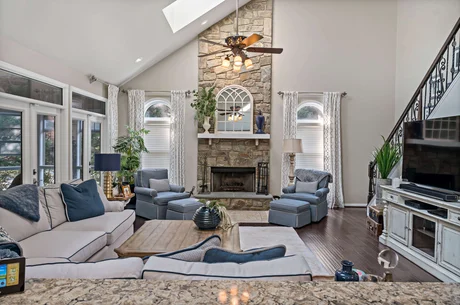
Expanding your home can significantly improve both comfort and functionality. One of the most effective ways to enhance your property is through home additions, says Keyrenter Triad Management. Adding new rooms, expanding existing spaces, or creating specialized areas can transform your home to better suit your family’s needs. Home additions are more than just extra square footage; they increase property value, improve livability, and allow homeowners to adapt their space to changing lifestyles. This guide will explore the benefits, planning strategies, types, and tips for executing a successful home addition project.
Understanding Home Additions
Home additions involve expanding or modifying an existing structure to create additional living space. This can range from adding a new bedroom, bathroom, or office to larger projects like sunrooms, family rooms, or second stories. A well-planned addition seamlessly integrates with the original design, ensuring aesthetic consistency and structural integrity.
Beyond increasing space, home additions offer opportunities to improve functionality and style. They allow homeowners to address specific needs, such as creating an accessible living area, a home office, or a recreation space. Effective planning ensures that the addition enhances the overall flow and usability of the home, while also meeting building codes and safety standards.
Benefits of Home Additions
One of the primary benefits of home additions is increased living space. Families often grow, lifestyle needs change, or hobbies require dedicated areas. Adding a new room or expanding an existing one ensures that the home can accommodate these evolving requirements.
Home additions also increase property value. Well-designed additions are attractive to potential buyers and can yield a high return on investment. In addition, renovations that improve the overall layout and functionality of a home make it more appealing and comfortable for daily living.
Energy efficiency and modern conveniences are another advantage. New additions often allow for updated insulation, windows, lighting, and appliances, which can reduce energy consumption and improve the overall efficiency of the home. These improvements contribute to long-term savings and a more comfortable living environment.
Planning Your Home Addition
Proper planning is critical to the success of any home addition. Start by defining your goals and priorities. Determine what type of space you need, how it will be used, and how it fits with the existing structure. Establishing a budget early on helps guide decisions regarding materials, size, and scope.
Consulting with professionals, such as architects, designers, and contractors, ensures that your ideas are feasible and aligned with building codes. They can provide insight on design options, structural requirements, and cost-effective solutions. Creating detailed floor plans, 3D renderings, or mood boards helps visualize the finished project and ensures alignment with your vision.
Types of Home Additions
Home additions come in many forms depending on the homeowner’s needs and the existing property layout.
Room Additions: Adding bedrooms, bathrooms, or home offices enhances functionality and addresses space limitations. Room additions often involve careful consideration of plumbing, electrical systems, and structural support.
Second Story Additions: Expanding vertically is a solution when lot size is limited. Second-story additions provide significant additional space without sacrificing outdoor areas.
Sunrooms and Conservatories: These additions bring natural light into the home and create relaxing spaces for leisure and entertainment. Sunrooms are versatile, serving as reading nooks, lounges, or even indoor gardens.
Garage Conversions and Extensions: Transforming or expanding a garage into living space, home gyms, or workshops provides practical and flexible options for homeowners.
Kitchen or Living Area Expansions: Expanding existing spaces, such as kitchens or living rooms, improves flow, usability, and comfort. Open layouts are popular for modern homes, combining dining and living areas into cohesive spaces.
Choosing the Right Contractor for Home Additions
Selecting a qualified contractor is essential for a successful home addition. Experienced contractors manage all aspects of the project, including permits, structural work, plumbing, electrical, and finishing touches. They ensure that the addition is safe, functional, and aesthetically consistent with the rest of the home.
When choosing a contractor, verify licensing, insurance, and past project experience. Request references and review portfolios to assess quality and reliability. Clear communication and transparency regarding timelines, budgets, and expectations are crucial to avoid misunderstandings and delays.
Managing a Home Addition Project
Home additions require careful management to stay on schedule and within budget. Establishing a timeline with milestones helps monitor progress and ensures accountability. Regular site visits and updates from the contractor allow homeowners to address concerns promptly.
Budget management is another critical factor. Home additions can involve unexpected costs, such as structural reinforcements, utility upgrades, or material price fluctuations. Setting aside a contingency fund ensures that the project can adapt to unforeseen expenses without compromising quality.
Maintaining clear communication among all parties, including architects, contractors, and subcontractors, reduces errors and ensures smooth coordination. A well-managed project results in high-quality workmanship and a satisfying final product.
Common Challenges in Home Additions
Home addition projects can encounter several challenges. Structural limitations, zoning regulations, and building permits may affect design options and timelines. Working with experienced professionals helps navigate these challenges effectively.
Other challenges include disruptions to daily life, noise, and temporary lack of space during construction. Planning for temporary adjustments and maintaining flexibility ensures that the project proceeds smoothly while minimizing inconvenience.
Maximizing the Value of Home Additions
To maximize the value of a home addition, focus on quality, functionality, and seamless integration with the existing structure. Choosing durable materials, energy-efficient systems, and thoughtful layouts enhances both comfort and property value.
Aesthetic consistency is also important. Matching architectural styles, finishes, and color schemes ensures that the addition feels like a natural extension of the home rather than an afterthought. Including modern conveniences and smart home features further enhances appeal and usability.
Maintenance After Home Additions
After completing a home addition, regular maintenance ensures longevity and performance. Routine cleaning, inspections of plumbing, electrical systems, and structural components help prevent deterioration. Proper care of flooring, fixtures, and finishes maintains aesthetics and functionality over time, protecting the investment made in the addition.
Conclusion
Investing in home additions is a powerful way to expand living space, improve functionality, and enhance property value. Whether adding bedrooms, expanding the kitchen, or creating a sunroom, well-planned additions transform homes to meet evolving needs and lifestyles. Careful planning, choosing the right professionals, managing budgets and timelines, and addressing potential challenges ensure a successful project. Home additions not only create more room but also increase comfort, efficiency, and enjoyment for years to come. By investing in quality design and construction, homeowners can achieve a seamless, functional, and aesthetically pleasing addition that adds lasting value to their property.