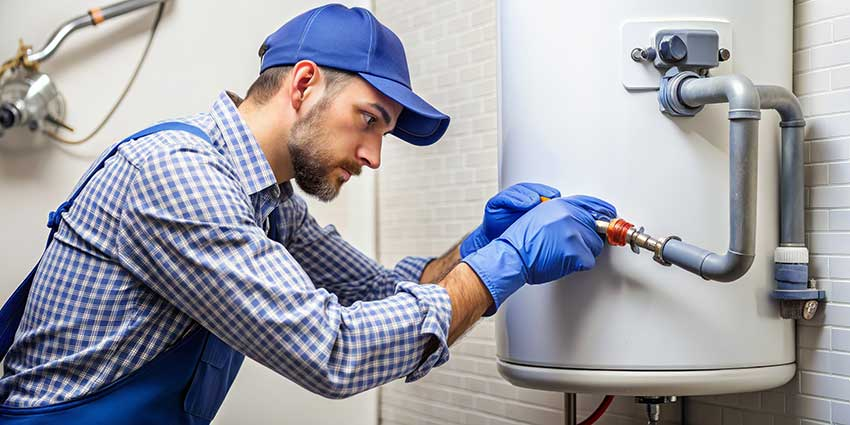
A reliable hot water supply is something most people don’t think about until it disappears. From morning showers to dishwashing and laundry, a properly functioning water heater quietly supports daily comfort and hygiene. When issues arise, they can disrupt routines, increase energy bills, and even cause property damage if ignored. Understanding how water heaters work, what causes them to fail, and how problems are resolved empowers homeowners to make smarter decisions and extend the life of this essential appliance.
This in-depth guide explores everything you need to know about water heaters, from common warning signs and underlying causes to maintenance strategies and professional solutions. Whether you own a traditional tank model or a modern tankless unit, having a clear grasp of system care and water heater repair can save time, money, and frustration in the long run.
Understanding How Water Heaters Function
At their core, water heaters are designed to raise the temperature of incoming cold water and store or deliver it on demand. Tank-style units heat water continuously and store it in an insulated reservoir, while tankless systems heat water instantly as it flows through the unit. Both designs rely on energy sources such as electricity, natural gas, propane, or sometimes solar power.
Key components include heating elements or burners, thermostats, pressure relief valves, dip tubes, and anode rods. Each part plays a vital role in safe and efficient operation. When one component begins to fail, it can affect the performance of the entire system, which is why early diagnosis is so important.
Common Signs Your Water Heater Needs Attention
Water heaters rarely fail without warning. They often provide subtle clues that something is wrong long before a complete breakdown occurs. Recognizing these signals early can prevent more serious damage.
One of the most common indicators is inconsistent water temperature. If hot water runs out faster than usual or fluctuates between hot and cold, it may signal thermostat issues or sediment buildup. Unusual noises such as rumbling, popping, or banging often point to hardened mineral deposits at the bottom of the tank. Discolored or rusty water may suggest corrosion inside the tank or deteriorating internal components.
Leaks around the base of the unit are another red flag. Even small amounts of moisture can indicate internal tank damage or failing connections. Finally, a noticeable increase in energy bills may mean the heater is working harder than necessary due to inefficiency or malfunction.
Why Water Heaters Develop Problems Over Time
Water heaters operate under constant stress, heating and reheating water multiple times a day. Over time, this repeated process leads to wear and tear. One of the biggest contributors to long-term damage is sediment buildup. Minerals naturally present in water settle at the bottom of the tank, forming a thick layer that reduces efficiency and increases strain on heating elements.
Corrosion is another major issue. Although anode rods are designed to attract corrosive elements and protect the tank, they eventually degrade and need replacement. When they fail, the tank itself becomes vulnerable to rust, which can lead to leaks and structural failure.
Improper installation, incorrect temperature settings, and lack of routine maintenance also accelerate system decline. Even high-quality units can experience shortened lifespans if they are neglected or overloaded.
The Importance of Regular Maintenance
Routine maintenance is the most effective way to extend the life of a water heater and maintain consistent performance. Simple preventative measures can dramatically reduce the likelihood of sudden failures.
Flushing the tank annually helps remove sediment and improves heating efficiency. Checking and replacing the anode rod every few years prevents corrosion from attacking the tank. Inspecting the pressure relief valve ensures safe operation and reduces the risk of dangerous pressure buildup.
Thermostat calibration is another essential step. Keeping water temperatures at a safe but efficient level reduces energy consumption and minimizes stress on internal components. Regular inspections also allow minor issues to be addressed before they escalate into costly emergencies.
Diagnosing Issues Accurately
Accurate diagnosis is critical when problems arise. Misidentifying an issue can lead to unnecessary part replacements or incomplete solutions. For example, a lack of hot water could stem from a faulty thermostat, a broken heating element, or even an electrical supply issue.
Professionals use specialized tools and experience to pinpoint the exact cause of failure. They evaluate electrical connections, test heating elements, inspect gas burners, and assess internal tank conditions. This systematic approach ensures that the correct solution is applied the first time, restoring functionality efficiently and safely.
In many cases, timely water heater repair can restore a system to optimal performance without the need for full replacement, especially when the unit is still within its expected lifespan.
Repair Versus Replacement Considerations
One of the most common questions homeowners face is whether to repair or replace a malfunctioning water heater. The answer depends on several factors, including the age of the unit, the severity of the problem, and overall efficiency.
Most traditional tank water heaters last between eight and twelve years with proper care. If a unit is nearing the end of its lifespan and experiencing frequent issues, replacement may be more cost-effective. On the other hand, newer systems with isolated component failures are often good candidates for repair.
Energy efficiency also plays a role. Older units tend to consume more energy, even when functioning correctly. Upgrading to a modern, high-efficiency model can lead to long-term savings and improved performance.
Safety Considerations During Repairs
Water heaters involve electricity, gas, high temperatures, and pressurized water, making safety a top priority. Attempting complex repairs without proper knowledge can result in injury or property damage.
Electrical units require careful handling of wiring and components to prevent shocks or short circuits. Gas-powered systems demand precise adjustments to burners and ventilation to avoid leaks or carbon monoxide risks. Pressure relief valves must function correctly to prevent dangerous pressure buildup within the tank.
For these reasons, many repairs are best left to trained professionals who understand safety protocols and local code requirements. Even routine maintenance tasks should be performed with caution and proper equipment.
Improving Efficiency After Repairs
Once issues are resolved, optimizing system efficiency helps ensure long-term benefits. Insulating the tank and hot water pipes reduces heat loss and improves energy retention. Adjusting usage habits, such as spacing out hot water-heavy activities, prevents unnecessary strain on the system.
Upgrading components like thermostats or heating elements can also enhance performance. High-efficiency parts allow the unit to heat water faster while using less energy. These improvements not only extend the lifespan of the heater but also contribute to lower utility costs and reduced environmental impact.
Tankless Systems and Specialized Care
Tankless water heaters offer advantages such as endless hot water and improved energy efficiency, but they require specialized maintenance. Because they heat water on demand, mineral buildup can occur more quickly in heat exchangers, especially in areas with hard water.
Regular descaling is essential to maintain efficiency and prevent damage. Filters should be cleaned or replaced periodically to ensure proper water flow. While tankless systems often have longer lifespans than traditional models, neglecting maintenance can negate their benefits.
When problems arise, water heater repair for tankless units often involves advanced diagnostics and manufacturer-specific procedures, making professional expertise particularly valuable.
Extending the Lifespan of Your Water Heater
Longevity depends on a combination of quality installation, regular maintenance, and mindful usage. Avoid setting temperatures higher than necessary, as excessive heat accelerates wear. Address small issues promptly rather than waiting for complete failure.
Keeping detailed records of maintenance and repairs helps track system health over time. These records can also be useful when evaluating whether future repairs are worthwhile or if replacement is the better option.
Ultimately, proactive care reduces unexpected disruptions and ensures reliable access to hot water year after year.
Final Thoughts on Reliable Hot Water Solutions
A dependable water heater is essential to modern living, and understanding its operation empowers homeowners to make informed decisions. By recognizing warning signs, investing in regular maintenance, and addressing problems promptly, it is possible to maximize efficiency and longevity.
Whether dealing with minor adjustments or more complex challenges, professional water heater repair plays a crucial role in restoring comfort and protecting your investment. With the right approach, your water heating system can continue to deliver safe, efficient, and consistent performance for many years to come.