Introduction: Understanding the Importance of Overnight Parking
For drivers, commuters, and property owners, overnight parking is a critical aspect of vehicle management, safety, and convenience. Unlike short-term parking, overnight parking requires careful consideration of security, accessibility, and compliance with local regulations. Whether you are a long-haul truck driver, a city resident, or a business owner offering parking for clients, understanding the fundamentals of overnight parking ensures a safe and stress-free experience.
Overnight parking goes beyond simply leaving a vehicle for the night. It involves selecting the right location, considering lighting and security, and ensuring compliance with any rules or restrictions. Proper overnight parking can prevent accidents, vehicle damage, theft, and legal issues while offering peace of mind to vehicle owners.
The Benefits of Safe Overnight Parking
Safe overnight parking offers numerous advantages for drivers and vehicle owners. First and foremost, it reduces the risk of accidents or vehicle damage that can occur when parking in unauthorized or unsafe locations. Adequate lighting, clear signage, and secure facilities contribute to the overall safety of both the vehicle and its occupants.
For commercial drivers, such as long-haul truck operators, overnight parking is essential to comply with Hours of Service (HOS) regulations. These rules require mandatory rest periods, and proper parking ensures that drivers can rest without violating safety guidelines. Safe overnight parking also contributes to stress reduction, allowing drivers to focus on their journeys knowing their vehicles are secure.
Choosing the Right Location for Overnight Parking
Selecting an appropriate location is a key component of effective overnight parking. Factors to consider include accessibility, security, lighting, traffic flow, and proximity to essential services. Locations should be easy to reach, offer enough space for maneuvering, and comply with local regulations regarding overnight stays.
For long-term or repeated overnight parking, it is important to choose a site that minimizes exposure to environmental risks such as flooding, falling debris, or extreme weather. Well-chosen locations enhance safety and convenience, providing peace of mind for vehicle owners.
Safety Considerations for Overnight Parking
Safety is paramount when selecting and using overnight parking. Important safety considerations include:
- Lighting – Proper illumination reduces the risk of accidents and deters theft or vandalism.
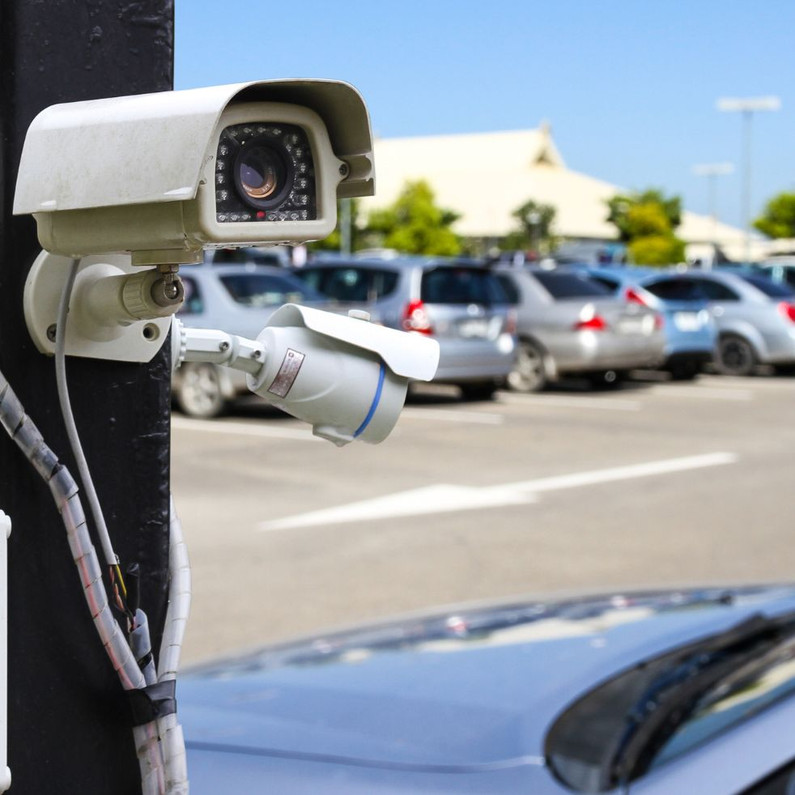
- Surveillance – Security cameras and monitored facilities enhance protection for vehicles.
- Traffic Flow – Well-marked entry and exit points prevent congestion and reduce the risk of collisions.
- Space Allocation – Adequate space between vehicles minimizes the chance of accidental damage.
- Accessibility for Emergency Services – Ensure parking areas allow easy access for emergency vehicles if necessary.
A focus on these safety elements ensures that overnight parking is secure and reliable.
Types of Overnight Parking
Overnight parking can take many forms depending on the needs of the vehicle and driver. Common types include:
- Public Parking Lots – Open to the general public and often located near commercial areas, shopping centers, or transit hubs.
- Private Residential Parking – Driveways, garages, or private lots owned by individuals or property managers.
- Truck or Commercial Parking Facilities – Designed for large vehicles, often including amenities such as restrooms, fueling stations, and security monitoring.
- Hotel or Temporary Parking – Short-term overnight parking associated with lodging or event facilities.
Each type offers different advantages, and the choice should reflect safety, convenience, and intended use.
Regulatory and Legal Considerations
Overnight parking is subject to various rules and regulations depending on location. Many municipalities have ordinances restricting overnight parking on streets, in public lots, or in residential areas. Violating these rules can result in fines, towing, or other legal consequences.
Commercial drivers must also comply with federal and state regulations, particularly regarding rest periods and weight restrictions. Understanding and adhering to these rules is essential for safety, legal compliance, and avoiding disruptions to travel or business operations.
Maintenance and Management of Overnight Parking Facilities
For property owners and facility managers, maintaining a safe and functional overnight parking area is essential. Key aspects of maintenance include:
- Pavement upkeep to prevent potholes and surface damage
- Proper drainage to avoid water accumulation and flooding
- Regular cleaning to remove debris and ensure a tidy environment
- Maintaining lighting and security systems for safety
- Clear signage and marked spaces for organization and convenience
A well-maintained overnight parking facility improves user satisfaction, reduces liability, and extends the longevity of the parking area.
Economic and Operational Advantages
Offering reliable overnight parking provides tangible economic benefits. For businesses, safe parking can attract customers, tenants, or clients who prioritize security and convenience. For commercial fleet operators, consistent overnight parking reduces downtime, improves operational planning, and minimizes potential losses from accidents or theft.
Additionally, proper overnight parking helps avoid penalties associated with illegal or unsafe parking, which can be costly and disruptive. Investing in secure and well-maintained facilities pays off in both operational efficiency and customer or employee satisfaction.
Environmental and Sustainability Considerations
Modern overnight parking facilities increasingly focus on environmental sustainability. Permeable pavement, efficient lighting, and landscaped areas reduce environmental impact by managing runoff, lowering heat retention, and conserving energy. Electric vehicle charging stations and renewable energy integration further promote eco-friendly practices.
Sustainable overnight parking benefits both property owners and users. Reducing energy usage and environmental hazards contributes to a safer, cleaner, and more responsible infrastructure.
Technology and Overnight Parking
Technology plays a growing role in managing overnight parking. Mobile apps, GPS, and real-time occupancy tracking help drivers locate available parking spaces quickly and efficiently. Automated entry and payment systems reduce congestion and streamline operations for both users and facility managers.
For property managers, technology allows monitoring of usage patterns, security status, and maintenance needs. These tools optimize parking efficiency, improve safety, and enhance the overall user experience.
Challenges in Overnight Parking
Overnight parking faces several challenges, including limited space, illegal parking, safety risks, and regulatory restrictions. In urban areas, finding legal and safe overnight parking can be particularly difficult, especially for larger vehicles. Security concerns, such as theft or vandalism, are also significant considerations.
Addressing these challenges requires careful planning, design, and management. Solutions include creating designated spaces, implementing security measures, leveraging technology for real-time information, and coordinating with local authorities to ensure compliance.
Planning for the Future
As vehicle ownership grows and urban areas become more crowded, demand for safe and reliable overnight parking will continue to increase. Future developments may include smart parking solutions, multi-level facilities, electric vehicle integration, and automated management systems.
Strategic planning ensures that overnight parking areas meet current needs while remaining adaptable to future trends. Long-term investment in safe, accessible, and well-maintained facilities benefits both drivers and property owners, creating a sustainable solution for modern transportation challenges.
Conclusion: The Value of Reliable Overnight Parking
Overnight parking is a critical component of vehicle safety, operational efficiency, and driver convenience. Whether for commercial fleets, individual drivers, or property owners, safe and well-maintained overnight parking ensures peace of mind, regulatory compliance, and smooth operations. By considering factors such as location, safety, amenities, and technology, drivers and facility managers can optimize their overnight parking strategies.
Investing in secure and efficient overnight parking not only protects vehicles but also enhances the overall experience for drivers and users. With thoughtful planning, proper maintenance, and attention to safety, overnight parking becomes more than just a space to leave a vehicle—it becomes a vital part of modern transportation infrastructure.