Introduction
Pressure washing is an essential cleaning method for both residential and commercial properties. Over time, surfaces such as driveways, patios, decks, siding, and fences accumulate dirt, grime, mold, mildew, and algae. Not only does this affect the aesthetic appeal of a property, but it can also lead to long-term damage if left untreated. Regular pressure washing helps maintain the cleanliness, safety, and durability of exterior surfaces. This comprehensive guide explores the importance of pressure washing, common challenges, effective techniques, and professional strategies to achieve the best results.
Why Pressure Washing Matters
Pressure washing does more than make surfaces look clean. It removes harmful substances that can degrade materials over time. Mold and mildew, for example, thrive on outdoor surfaces and can accelerate decay on wood, concrete, or stone. Dirt and algae buildup can make walkways slippery, increasing the risk of accidents. Regular pressure washing also improves curb appeal, which is particularly important for property value and first impressions. Clean surfaces can extend the life of exterior materials by preventing staining, deterioration, and corrosion. In addition, pressure washing reduces allergens and bacteria that can affect outdoor spaces, creating a healthier environment for residents and visitors.
Common Surfaces That Benefit from Pressure Washing
Pressure washing is versatile and can be applied to a variety of surfaces. Concrete driveways and walkways often develop stubborn stains from oil, dirt, and weather exposure. Decks and patios accumulate moss, mold, and debris, which can become slippery and unsafe. Wooden fences and siding are susceptible to weathering and discoloration, and regular cleaning helps maintain their appearance. Commercial properties also benefit from pressure washing, including parking lots, building exteriors, and public areas where dirt and stains can diminish visual appeal. Each surface may require a different pressure level or technique to prevent damage while achieving a thorough clean.
Techniques for Effective Pressure Washing
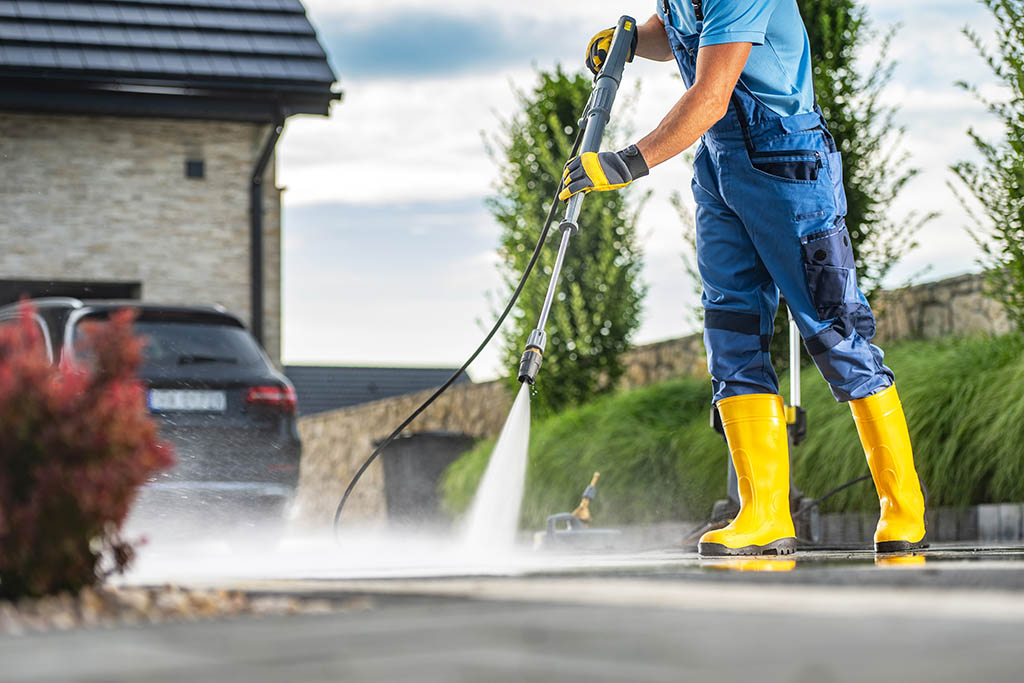
Effective pressure washing begins with choosing the right equipment and settings. Residential pressure washers generally operate at lower pressure levels, while commercial-grade machines offer higher pressure for tougher stains. Using the correct nozzle is critical; a wide-angle nozzle disperses water evenly and reduces the risk of surface damage, while a narrow-angle nozzle provides concentrated power for stubborn stains. Surfaces should be pre-wetted before applying cleaning solutions, which enhances stain removal and prevents streaking. Pressure washing should always be done from top to bottom, moving in smooth, consistent strokes to ensure an even clean. After washing, it is important to rinse the area thoroughly to remove any remaining dirt, debris, or cleaning solution residue.
Safety is paramount during pressure washing. High-pressure water can cause injury or damage surfaces if not used properly. Wearing protective gear, including gloves, goggles, and long sleeves, helps prevent accidents. It is also important to keep children and pets away from the area while pressure washing. For elevated surfaces such as decks or walls, using ladders safely or extension wands is recommended. Some property owners prefer hiring professional pressure washing services to handle larger, high-risk areas, ensuring safety, efficiency, and optimal results.
DIY Pressure Washing Versus Professional Services
While some homeowners choose to pressure wash surfaces themselves, professional services offer distinct advantages. Professionals have experience handling various surfaces, stains, and conditions, ensuring that delicate areas are not damaged. They have access to industrial-grade equipment, specialized cleaning solutions, and expert techniques that achieve a more thorough and long-lasting clean. DIY pressure washing can be effective for small tasks, but improper use of equipment or excessive pressure can damage wood, paint, or masonry. For reliable and comprehensive results professionals provide services that restore surfaces safely and efficiently while protecting your property.
Preventive Measures and Maintenance
Regular maintenance reduces the need for intensive pressure washing. Sweeping, brushing, or rinsing outdoor surfaces between washes helps minimize debris accumulation. Treating mold or algae promptly prevents larger growths that are harder to remove. For decks and wooden surfaces, applying sealants or protective coatings can reduce water absorption and staining. Inspecting surfaces for cracks or damage before washing ensures that pressure washing does not worsen existing issues. Seasonal inspections and cleaning schedules maintain the overall appearance and integrity of exterior surfaces throughout the year.
Signs You Need Pressure Washing
Recognizing when pressure washing is required can prevent long-term damage. Surfaces that appear dull, discolored, or stained may benefit from cleaning. Mold, mildew, and algae growth are clear indicators that pressure washing is needed. Oil, grease, or other stubborn stains on driveways, walkways, and parking areas often cannot be removed with conventional cleaning methods. Additionally, slippery outdoor surfaces caused by algae or moss present a safety hazard, highlighting the importance of timely pressure washing. Ignoring these signs can result in surface deterioration, increased cleaning difficulty, and reduced property value.
Benefits of Regular Pressure Washing
Pressure washing offers numerous benefits for both residential and commercial properties. Clean surfaces enhance curb appeal and create a welcoming environment. Removing mold, mildew, and dirt improves health and safety by preventing slips, falls, and allergen exposure. Regular pressure washing also extends the life of materials by preventing staining, decay, and corrosion. Financially, investing in routine cleaning reduces the likelihood of costly repairs or replacements. Clean surfaces are easier to maintain, and the overall value of the property is preserved. Pressure washing is, therefore, not just a cosmetic improvement but a strategic maintenance practice.
Conclusion
Pressure washing is a vital part of maintaining the beauty, safety, and longevity of exterior surfaces. From driveways and walkways to decks, siding, and commercial areas, this cleaning method removes dirt, mold, mildew, and other contaminants that degrade materials over time. While DIY pressure washing can address minor cleaning tasks, professional services offer safety, efficiency, and superior results. By understanding common signs that surfaces need cleaning, employing effective techniques, and following preventive maintenance practices, property owners can ensure their surfaces remain clean, safe, and attractive year-round. Prioritizing pressure washing not only enhances curb appeal but also protects property investment and promotes a healthier, well-maintained environment for all occupants.