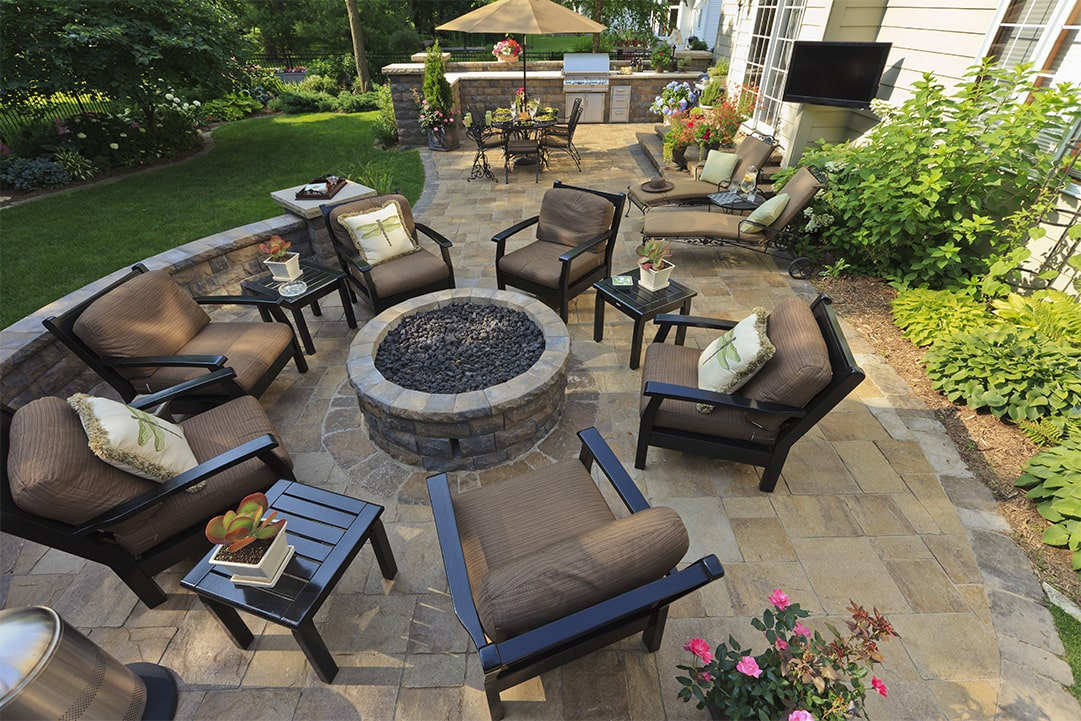
A well-maintained and thoughtfully designed outdoor area is more than just a decorative feature; it enhances the aesthetic appeal, functionality, and environmental health of any property says T-Square Real Estate Services team. Landscaping transforms ordinary yards, gardens, and commercial surroundings into visually appealing, organized, and sustainable spaces. Proper landscaping requires planning, expertise, and ongoing care to ensure that plants, lawns, and hardscaping features remain healthy and visually harmonious throughout the year. This comprehensive guide explains the importance, benefits, and best practices of professional landscaping, helping property owners understand how to create outdoor spaces that are both beautiful and sustainable.
Understanding the Role of Landscaping
Landscaping is the art and science of improving outdoor spaces by combining plants, structures, and soil management to achieve functional and aesthetic goals. It involves careful planning, expert plant selection, soil preparation, irrigation, and long-term maintenance. Professional landscaping ensures that every element of the outdoor environment contributes to beauty, usability, and environmental balance.
Without proper landscaping, outdoor areas can quickly become overgrown, uneven, or unhealthy. Plants may struggle due to poor soil conditions, inefficient watering, or pest infestations, while lawns and hardscaping features may degrade over time. Professional landscaping addresses these challenges by implementing strategies that maintain the long-term health and appeal of outdoor spaces.
Key Elements of Landscaping
Successful landscaping integrates multiple components to create a balanced, attractive, and sustainable outdoor environment. Core elements include:
1. Lawn Care and Ground Cover: Healthy lawns are central to many landscapes. Proper mowing, aeration, fertilization, and weed control ensure that grass remains lush and uniform. Ground covers help reduce soil erosion, suppress weeds, and add texture to the outdoor design.
2. Plant Selection and Placement: Choosing the right plants for climate, soil, and sunlight is crucial. Trees, shrubs, flowers, and ornamental plants are arranged strategically to maximize visual appeal, growth potential, and ecological benefits.
3. Irrigation and Water Management: Efficient irrigation systems prevent water waste while ensuring that plants receive sufficient hydration. Drip irrigation, sprinkler systems, and timed watering schedules are used to maintain plant health without over-saturating soil.
4. Soil Health and Fertilization: Healthy soil supports strong roots and vibrant plant growth. Soil testing, amendments, and mulching improve nutrient balance, drainage, and structure, creating optimal conditions for plants to thrive.
5. Hardscaping Features: Walkways, patios, retaining walls, seating areas, and decorative elements add structure and functionality. Hardscaping complements plant arrangements and helps create a cohesive, usable space.
Seasonal Considerations in Landscaping
Landscapes require different types of care depending on seasonal changes. Plant growth, water needs, and pest activity fluctuate throughout the year, and professional landscaping adapts to these shifts.
During spring and summer, lawns grow quickly, flower beds flourish, and pest activity increases, requiring regular trimming, watering, and monitoring. Fall focuses on preparing plants for dormancy, removing fallen leaves, and applying soil amendments. Winter care may involve pruning, protecting sensitive plants, and maintaining hardscape features. Seasonal planning ensures landscapes remain healthy and attractive year-round.
Benefits of Professional Landscaping
Hiring professionals for landscaping provides numerous advantages:
1. Expertise and Knowledge: Professional landscapers understand plant care, soil science, and design principles, enabling them to address challenges effectively.
2. Time Efficiency: Landscaping requires consistent effort. Professionals save property owners time by managing tasks efficiently and providing long-term solutions.
3. Enhanced Visual Appeal: Landscaping enhances the overall beauty of a property by creating harmonious plant arrangements, balanced design elements, and well-maintained lawns.
4. Increased Property Value: Well-landscaped properties enjoy higher market appeal and can significantly boost real estate value.
5. Environmental Benefits: Professional landscaping promotes biodiversity, reduces soil erosion, conserves water, and minimizes chemical use through eco-friendly practices.
Planning and Designing a Landscape
Effective landscaping begins with careful planning. Professionals evaluate the property’s layout, soil type, sun exposure, and water availability. Design plans consider plant growth, spacing, pathways, seating areas, and decorative features to create functional, sustainable, and visually pleasing outdoor spaces.
Strategic planning also accounts for long-term growth, ensuring that trees, shrubs, and perennials do not overcrowd or shade other plants. This foresight allows landscapes to mature gracefully while maintaining aesthetic and functional balance.
Maintenance Practices in Landscaping
Consistent maintenance is essential for preserving the health and appearance of landscapes. Key practices include:
- Pruning and Trimming: Maintaining shape, removing dead or diseased branches, and promoting healthy growth.
- Fertilization and Soil Management: Supplementing nutrients and improving soil structure for stronger, vibrant plants.
- Pest and Disease Control: Monitoring for infestations and treating problems before they spread.
- Mulching and Weed Management: Retaining soil moisture, preventing erosion, and suppressing weeds.
- Irrigation Adjustments: Ensuring plants receive proper water according to seasonal requirements.
Hardscaping Integration
Hardscaping complements plantings by adding structure and usability to outdoor spaces. Patios, walkways, decks, pergolas, and retaining walls enhance aesthetics while providing practical benefits. Proper integration ensures that hardscaping blends naturally with surrounding plants, improves functionality, and reduces soil erosion.
Sustainable Landscaping Practices
Modern landscaping increasingly emphasizes sustainability. Practices such as planting native species, conserving water through efficient irrigation, reducing chemical usage, and creating wildlife habitats enhance environmental health. Sustainable landscaping also reduces maintenance costs and promotes long-term resilience of outdoor spaces.
Long-Term Benefits and Cost Efficiency
Investing in professional landscaping offers long-term savings. Regular maintenance prevents costly repairs, replacement of dead plants, and soil degradation. Healthy, thriving landscapes require fewer interventions, conserve resources, and improve property value over time.
Choosing the Right Landscaping Service
Selecting the right professionals is critical. Look for experienced landscapers with a strong portfolio, knowledge of local plants and soils, and sustainable practices. Clear communication about design preferences, budget, and maintenance expectations ensures that the final result aligns with property goals.
Final Thoughts on Landscaping
Professional landscaping transforms ordinary outdoor areas into beautiful, functional, and sustainable spaces. It combines artistic design with scientific plant care, soil management, and environmental responsibility. Landscaped properties offer aesthetic enjoyment, improved usability, higher property value, and long-term ecological benefits.
By implementing thoughtful planning, sustainable practices, and ongoing maintenance, landscaping ensures that outdoor spaces remain vibrant, healthy, and resilient throughout the years. Whether for residential, commercial, or public spaces, professional landscaping creates environments that inspire, refresh, and provide lasting value.