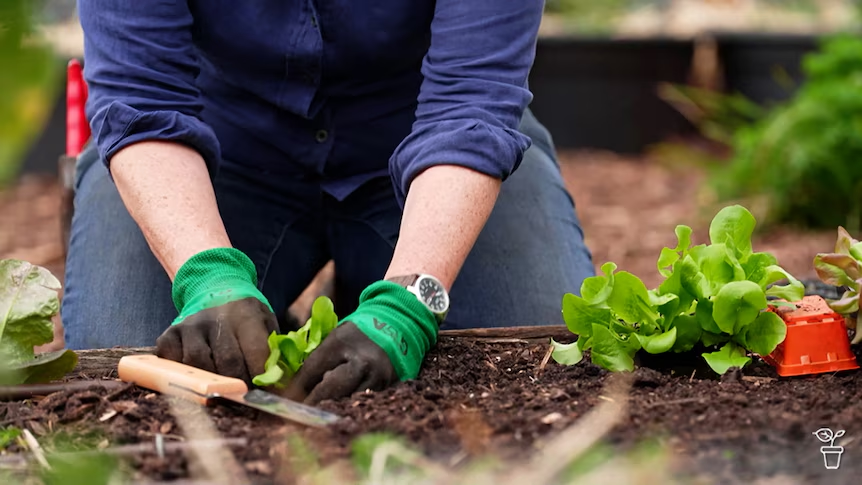
Plantings are a fundamental aspect of landscaping, gardening, and sustainable outdoor spaces. Whether for residential gardens, commercial landscapes, or urban green areas, proper plantings enhance aesthetics, support biodiversity, and improve the overall environment. Understanding the principles of plantings, selecting the right plants, and following best practices ensures healthy growth, long-lasting beauty, and a thriving outdoor space.
Understanding Plantings
Plantings involve the deliberate placement of trees, shrubs, flowers, ground covers, and other vegetation in outdoor spaces. Unlike wild growth, planned plantings are designed to achieve both functional and visual goals. Effective plantings take into account the natural environment, soil conditions, sunlight exposure, water availability, and the intended purpose of the space.
The goal of plantings is not only decorative but also ecological. Properly planned plantings reduce soil erosion, improve air quality, support pollinators and wildlife, and provide shade and cooling in urban environments. Plantings can be organized in patterns, layers, or naturalistic designs depending on aesthetic preferences and functional needs.
Planning and Preparation for Plantings
Successful plantings begin with careful planning and preparation. Start by assessing the site, including soil quality, drainage, slope, and microclimate. Understanding these factors is essential for selecting plants that will thrive in the environment.
Once the site assessment is complete, define goals for the plantings. Consider whether the area is intended for visual appeal, functional purposes such as erosion control or shade, or environmental benefits like supporting pollinators. A detailed planting plan or design layout helps ensure plants are spaced appropriately, arranged by height and growth habit, and positioned for optimal sunlight and water access.
Soil Preparation
Healthy soil is the foundation for successful plantings. Proper soil preparation includes testing for pH levels, nutrient content, and drainage capacity. Based on results, amendments such as compost, fertilizers, or sand may be added to improve soil structure and fertility.
Removing weeds, rocks, and debris ensures that newly planted vegetation has space to grow without competition. In some cases, raised beds or mounds may be constructed to improve drainage and prevent waterlogging, which is particularly important for plantings in areas with heavy rainfall or compacted soil.
Choosing the Right Plants
Selecting the right plants is a critical step in achieving successful plantings. Consider native and adapted species that are suited to local climate, soil, and environmental conditions. Native plants are often more resistant to pests and diseases, require less water, and support local wildlife.
When selecting plants, consider factors such as mature size, growth rate, seasonal interest, color, and texture. A mix of perennials, annuals, shrubs, and trees can provide year-round visual appeal and ecological benefits. Proper plant selection also reduces maintenance needs and ensures long-term success of the plantings.
Techniques for Plantings
Proper planting techniques are essential for healthy growth and longevity. Dig holes that are twice as wide and the same depth as the plant’s root ball, ensuring roots have enough room to expand. Gently loosen roots before planting to encourage outward growth and prevent circling or root-bound issues.
Backfill with amended soil as needed and water thoroughly to settle the soil around the roots. Mulching around plantings helps retain moisture, suppress weeds, and regulate soil temperature. Proper spacing between plants prevents overcrowding, promotes air circulation, and reduces the risk of disease.
Seasonal Considerations for Plantings
Timing is an important factor in successful plantings. Spring and fall are often ideal for planting most trees, shrubs, and perennials, as moderate temperatures and rainfall support root establishment. Summer plantings may require extra watering and shade protection, while winter plantings are generally limited to hardy species that can tolerate cold conditions.
Understanding the seasonal growth patterns of selected plants ensures that plantings establish quickly, flourish, and maintain their aesthetic and functional purpose throughout the year.
Irrigation and Water Management
Watering is a crucial component of plantings, especially during the establishment phase. Newly planted vegetation requires consistent moisture to develop healthy roots. Drip irrigation, soaker hoses, or targeted sprinklers can provide efficient watering while minimizing water waste.
In addition to irrigation, proper water management includes grading the landscape for drainage, avoiding waterlogging, and using mulch to retain soil moisture. Well-planned water management ensures long-term health of plantings and reduces maintenance efforts.
Maintenance for Long-Term Success
Even the best-planned plantings require ongoing care to maintain health and appearance. Regular maintenance tasks include watering, pruning, fertilizing, mulching, pest and disease management, and seasonal clean-up. Monitoring plant health and addressing issues promptly helps prevent long-term damage and supports sustainable growth.
Incorporating low-maintenance plants, efficient irrigation, and thoughtful design during the planting phase reduces future maintenance requirements while ensuring the plantings thrive over time.
Common Mistakes to Avoid
Several common mistakes can compromise plantings. These include selecting plants that are not suited to the site, improper spacing, poor soil preparation, incorrect planting depth, and neglecting water or mulch needs. Ignoring seasonal considerations or failing to maintain the plantings can also reduce success.
By avoiding these mistakes, plantings are more likely to thrive, creating vibrant, functional, and sustainable outdoor spaces.
Benefits of Professional Plantings
While DIY plantings can be rewarding, professional plantings often yield superior results. Landscape professionals provide expertise in plant selection, soil preparation, installation techniques, and long-term maintenance strategies. They can create designs that maximize aesthetic appeal, functionality, and sustainability.
Professional plantings save time and effort, ensure proper plant establishment, and reduce the risk of failure. Experts can also provide guidance on irrigation systems, pest management, and seasonal care, resulting in healthier and more resilient landscapes.
Ecological and Environmental Impact
Plantings have significant environmental benefits, including improving air quality, supporting pollinators, reducing heat islands in urban areas, and preventing soil erosion. Using native species, minimizing chemical inputs, and incorporating sustainable practices ensures plantings contribute positively to the ecosystem.
Well-planned plantings can also create wildlife habitats, attract beneficial insects, and enhance biodiversity. By considering ecological impact during the planning and installation process, plantings support both human enjoyment and environmental health.
Conclusion
Plantings are an essential component of landscaping, environmental management, and aesthetic design. Proper plantings involve careful planning, site assessment, soil preparation, plant selection, installation, and ongoing maintenance. Avoiding common mistakes, considering seasonal factors, and incorporating sustainable practices ensures long-lasting, healthy, and visually appealing landscapes.
Whether for residential gardens, commercial spaces, or public areas, investing in professional plantings or applying thoughtful planning and techniques can create vibrant, functional, and ecologically beneficial outdoor environments. Effective plantings combine art and science to deliver beauty, sustainability, and resilience for years to come.