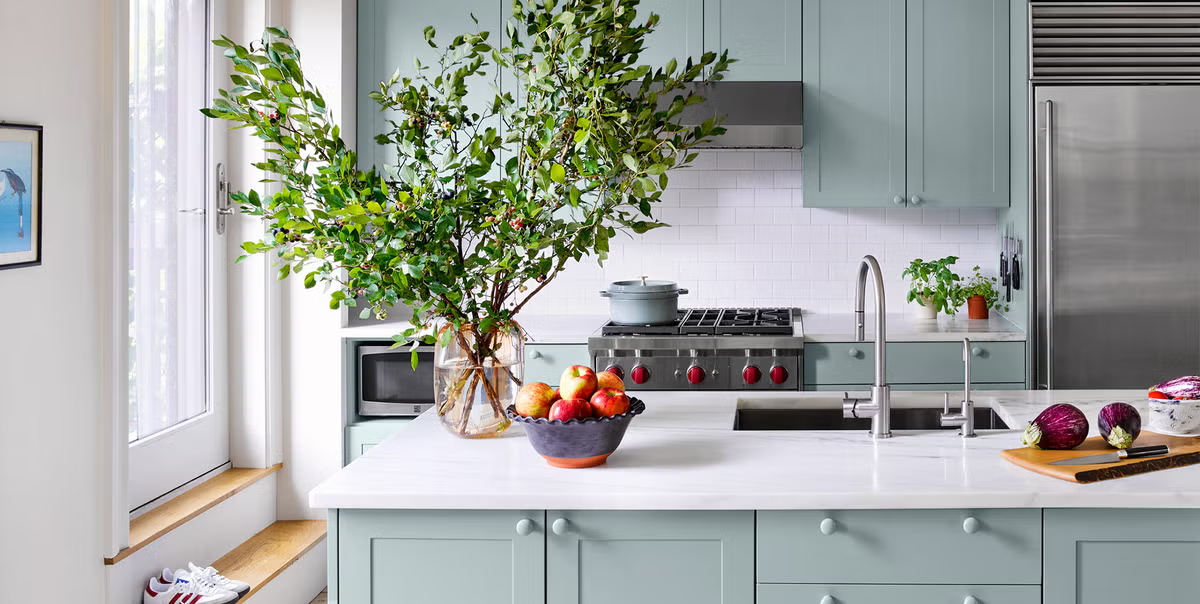
Introduction to the Power of Cabinet Painting
Cabinets play a central role in defining the look, feel, and functionality of kitchens, bathrooms, laundry rooms, and storage areas throughout a home. Over time, even the most well-built cabinetry can begin to look dated, worn, or out of sync with changing design preferences. Replacing cabinets entirely can be expensive, disruptive, and unnecessary, especially when the existing structures are still solid. This is where cabinet painting becomes a transformative solution, offering a balance of aesthetic improvement, cost efficiency, and sustainability says LRES Property Management solutions. By refinishing rather than replacing, homeowners can achieve dramatic visual upgrades while preserving the integrity of their spaces.
Why Cabinet Painting Has Become a Preferred Renovation Option
In recent years, homeowners and designers alike have increasingly turned to cabinet painting as a practical alternative to full remodels. One major reason is flexibility. Paint allows cabinets to adapt to evolving interior trends, whether that means a shift toward lighter, brighter tones or a move into deeper, more dramatic colors. Another reason is budget control. Painting cabinets generally costs significantly less than installing new ones, yet the visual impact can be just as striking. Additionally, the process generates less waste, making it a more environmentally responsible choice for those mindful of sustainability.
Understanding Cabinet Materials and Paint Compatibility
Before any paint is applied, it is essential to understand the type of cabinet material involved. Cabinets may be made from solid wood, engineered wood, laminate, or even metal. Each material requires specific preparation techniques and paint formulations to ensure proper adhesion and durability. Solid wood cabinets often respond best to high-quality primers and paints that highlight the natural grain while providing long-lasting protection. Laminate cabinets, on the other hand, require specialized primers designed to bond to slick surfaces. Proper material assessment is the foundation of successful cabinet refinishing and directly influences the longevity of the final result.
The Importance of Surface Preparation
Surface preparation is arguably the most critical phase of any cabinet refinishing project. Without thorough preparation, even the best paint will fail prematurely. Preparation typically includes cleaning to remove grease and residue, sanding to create a surface that paint can adhere to, and repairing any dents, scratches, or imperfections. Skipping or rushing this stage often leads to peeling, chipping, or uneven finishes. Professional painters emphasize preparation because it ensures the paint not only looks good initially but also stands up to daily use over many years.
Choosing the Right Paint for Cabinets
Not all paints are suitable for cabinetry, as cabinets endure frequent handling, moisture exposure, and temperature changes. High-quality cabinet paints are formulated to dry harder and resist wear better than standard wall paints. Options include acrylic, enamel, and hybrid paints that combine the best qualities of water-based and oil-based products. The right choice depends on the desired finish, drying time, and maintenance expectations. Selecting a durable paint system ensures that cabinets maintain their appearance and function long after the project is complete.
Color Selection and Its Impact on Interior Design
Color plays a powerful role in shaping the atmosphere of a space. Light-colored cabinets can make smaller rooms feel more open and airy, while darker shades add depth, warmth, and sophistication. Neutral tones remain popular because they offer versatility and timeless appeal, but bold colors are increasingly used to create focal points and express personal style. When planning a cabinet update, it is important to consider how the chosen color interacts with countertops, flooring, lighting, and overall décor. Thoughtful color selection enhances cohesion and elevates the entire interior.
Professional Techniques That Ensure a Flawless Finish
Achieving a smooth, factory-like finish requires more than just applying paint. Professionals use advanced techniques such as spraying, fine-bristle brushing, and controlled rolling to minimize brush marks and achieve uniform coverage. Multiple thin coats are applied instead of one thick layer, allowing each coat to cure properly. Attention to detail around edges, corners, and hardware openings further distinguishes professional work from do-it-yourself attempts. These techniques ensure that the cabinets not only look refined but also feel durable and well-crafted.
Durability and Long-Term Maintenance
One of the most common concerns homeowners have is how well painted cabinets will hold up over time. When done correctly, painted cabinets can last many years with minimal maintenance. Routine cleaning with gentle, non-abrasive products helps preserve the finish, while avoiding excessive moisture exposure prevents damage. Touch-ups can be performed if minor wear occurs, extending the life of the cabinets even further. This durability makes cabinet painting a practical long-term investment rather than a temporary cosmetic fix.
Enhancing Home Value Through Cabinet Updates
Updated cabinets can significantly influence a home’s perceived value and appeal. Potential buyers often focus on kitchens and bathrooms when evaluating a property, and freshly painted cabinets create an immediate impression of cleanliness and modernity. Even homeowners not planning to sell benefit from the increased enjoyment and functionality of their living spaces. A well-executed cabinet refinishing project can offer a strong return on investment by improving both daily living and resale potential.
Environmental Benefits of Refinishing Cabinets
Sustainability has become an important consideration in home improvement decisions. Refinishing existing cabinets reduces the demand for new materials and minimizes waste sent to landfills. The process also consumes fewer resources compared to manufacturing and installing new cabinetry. Many modern paints are low in volatile organic compounds, improving indoor air quality during and after the project. Choosing to refinish rather than replace aligns with environmentally conscious practices while still delivering impressive results.
Common Misconceptions About Cabinet Painting
Despite its many advantages, some misconceptions persist about cabinet refinishing. One common belief is that painted cabinets are less durable than factory-finished ones. In reality, professional-grade paints and proper application techniques produce finishes that rival or exceed factory standards. Another misconception is that the process is overly disruptive. While it does require careful planning, experienced professionals can complete the work efficiently with minimal inconvenience. Understanding these realities helps homeowners make informed decisions and set realistic expectations.
The Role of Hardware in Completing the Look
While paint dramatically changes the appearance of cabinets, hardware plays a supporting yet significant role. Updating knobs, pulls, and hinges can enhance the overall effect of the refinishing project. Hardware choices should complement the cabinet color and overall design style, whether that means sleek modern handles or classic, decorative pulls. Coordinating paint and hardware creates a cohesive look that feels intentional and well-designed.
Planning a Successful Cabinet Painting Project
Successful projects begin with clear planning and realistic goals. Homeowners should consider timelines, budget constraints, and desired outcomes before starting. Consulting with experienced professionals can provide valuable insights into color trends, paint options, and process expectations. A well-planned approach reduces stress and ensures that the final result aligns with the homeowner’s vision.
Conclusion: A Lasting Transformation Through Cabinet Painting
Incorporating cabinet painting in Douglas County into a home improvement strategy offers a powerful way to refresh interiors without the expense and disruption of full replacements. From enhancing aesthetics and durability to supporting sustainability and increasing home value, the benefits are wide-ranging. When executed with proper preparation, quality materials, and professional techniques, painted cabinets can serve as a lasting testament to thoughtful design and smart investment. For homeowners seeking meaningful change with enduring impact, this approach remains one of the most effective and rewarding options available.