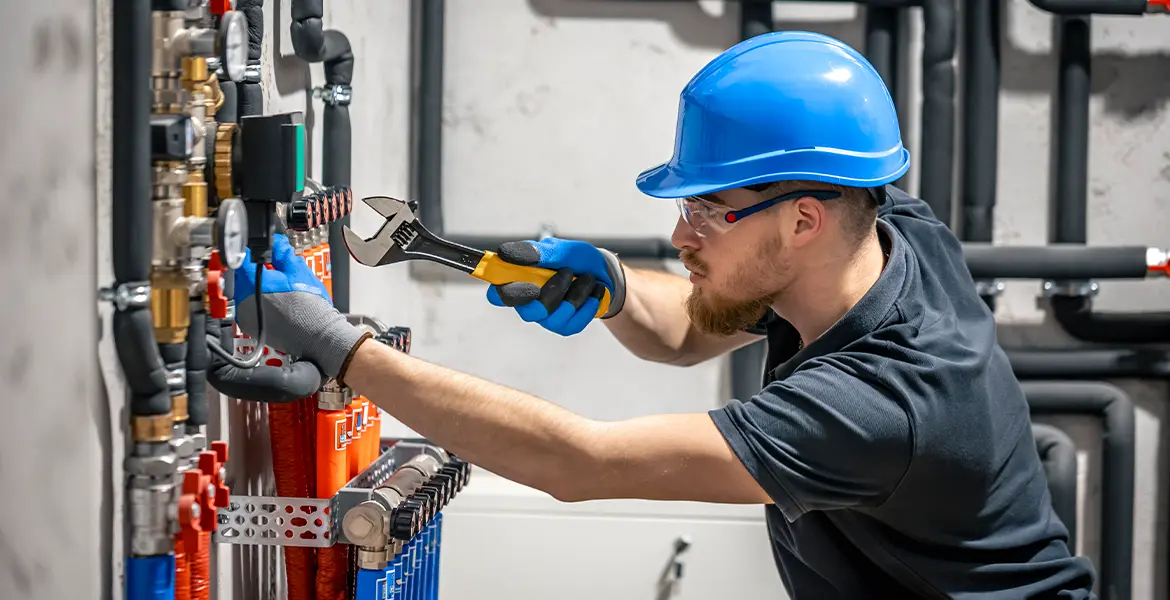
Electrical systems are the backbone of every commercial property says Mustang Property Management. From offices and retail centers to warehouses and large-scale facilities, reliable electrical infrastructure is essential for daily operations, safety, and long-term efficiency. Unlike residential systems, commercial electrical environments are more complex, higher in demand, and subject to stricter regulations. This is why working with a qualified commercial electrician is not just a smart decision, but a necessary one for any business or property owner.
In this in-depth article, we will explore the role of commercial electrical professionals, the services they provide, safety and compliance considerations, emerging technologies, and the long-term value of professional electrical work in commercial settings.
Understanding Commercial Electrical Systems
Commercial electrical systems are designed to support larger loads, more equipment, and extended operating hours. These systems power lighting, HVAC units, data networks, security systems, machinery, and specialized equipment that businesses rely on every day. Because of this complexity, commercial electrical infrastructure must be carefully planned, installed, and maintained.
A professional commercial electrician understands how to design systems that can handle high electrical demand while remaining efficient and safe. This includes proper load calculations, circuit distribution, and redundancy planning to minimize downtime. Any error in design or installation can lead to costly disruptions, equipment damage, or serious safety risks.
Commercial buildings also often require three-phase power systems, which provide more consistent power delivery for heavy equipment. Managing these systems requires specialized knowledge that goes beyond standard residential electrical work.
The Role of Electrical Planning in Commercial Projects
Electrical planning begins long before installation starts. During the design phase, electrical professionals collaborate with architects, engineers, and contractors to ensure systems align with the building’s function and future needs. This planning phase includes evaluating power requirements, determining equipment locations, and ensuring compliance with all applicable electrical codes.
Proper planning allows businesses to avoid common issues such as overloaded circuits, insufficient outlet placement, or limited capacity for future expansion. It also ensures that electrical systems support productivity rather than hinder it.
Lighting design is another critical element. Commercial lighting must balance visibility, energy efficiency, and aesthetics. Strategic lighting improves employee performance, enhances customer experience, and reduces long-term energy costs.
Safety Standards and Code Compliance
Safety is the most important aspect of commercial electrical work. Commercial properties are subject to strict electrical codes that are designed to protect occupants, employees, and assets. Compliance is not optional, and failure to meet standards can result in fines, shutdowns, or liability issues.
A licensed commercial electrician ensures that all wiring, panels, and equipment meet regulatory requirements. This includes proper grounding, bonding, circuit protection, and emergency systems. Fire prevention is a major focus, as electrical faults are a leading cause of commercial building fires.
Routine inspections and testing are also essential. These evaluations identify potential hazards such as deteriorating wiring, loose connections, or outdated components before they lead to serious problems.
Commercial Electrical Installation Services
Commercial electrical installation involves a wide range of services tailored to the needs of businesses. These services include power distribution systems, lighting installation, panel upgrades, and specialized circuits for equipment.
Power distribution systems are designed to deliver electricity efficiently throughout a building. This includes main service panels, subpanels, transformers, and distribution boards. Proper installation ensures stable power delivery and reduces the risk of outages.
Lighting systems in commercial spaces often include interior, exterior, emergency, and security lighting. Energy-efficient lighting solutions such as LED systems help businesses reduce operating costs while maintaining optimal visibility.
Electrical Maintenance and System Reliability
Ongoing maintenance is essential for keeping commercial electrical systems operating safely and efficiently. Preventive maintenance helps identify issues before they escalate into major failures that disrupt business operations.
Maintenance services typically include inspecting panels, testing breakers, checking connections, and evaluating system performance. Regular maintenance extends the lifespan of electrical components and improves overall reliability.
A trusted commercial electrician can also recommend upgrades when systems become outdated or inefficient. These upgrades improve safety, support new equipment, and reduce energy consumption.
Energy Efficiency in Commercial Electrical Systems
Energy efficiency is a major priority for modern businesses. Efficient electrical systems reduce operating expenses and support sustainability goals. Commercial properties consume significant amounts of electricity, making even small efficiency improvements financially impactful.
Upgrading to energy-efficient lighting, installing smart controls, and optimizing power distribution all contribute to reduced energy usage. Automated lighting and occupancy sensors prevent unnecessary power consumption in unused areas.
Electrical professionals also assist with energy audits, identifying areas where systems can be improved. These audits help businesses make informed decisions about upgrades that offer the best return on investment.
Integrating Technology and Smart Solutions
Technology is rapidly transforming commercial electrical systems. Smart building technologies allow businesses to monitor and control lighting, climate, and power usage from centralized platforms. These systems improve efficiency, comfort, and operational insight.
Advanced electrical infrastructure supports data networks, security systems, and automation. Proper installation ensures reliable performance and minimizes interference between systems.
Renewable energy integration is another growing trend. Solar power, energy storage systems, and electric vehicle charging stations require specialized electrical planning and installation. A qualified professional ensures these systems integrate safely with existing infrastructure.
Supporting Business Growth and Scalability
One of the key benefits of professional commercial electrical work is scalability. Businesses evolve, expand, and adopt new technologies over time. Electrical systems must be able to adapt without requiring complete replacement.
Planning for future growth includes installing additional capacity, accessible panels, and flexible layouts. This forward-thinking approach saves time and money in the long run.
A knowledgeable commercial electrician designs systems that can support increased demand, new equipment, and technological advancements without compromising safety or performance.
The Importance of Professional Expertise
Commercial electrical work requires extensive training, experience, and licensing. Professionals understand complex systems, regulatory requirements, and industry best practices. This expertise ensures that work is completed correctly, safely, and efficiently.
Attempting to cut costs through unqualified work often results in higher expenses over time due to repairs, downtime, and compliance issues. Professional services provide long-term value through reliability and peace of mind.
Clear communication, accurate documentation, and attention to detail are hallmarks of quality electrical professionals. These qualities are essential for successful commercial projects of any size.
Choosing the Right Electrical Partner
Selecting the right electrical professional is a critical decision for any commercial project. Experience with similar facilities, strong safety practices, and a commitment to quality workmanship are key factors to consider.
A reliable commercial electrician acts as a long-term partner, supporting not only initial installation but also ongoing maintenance and future upgrades. This relationship ensures consistency, reliability, and a deep understanding of the building’s systems.
Investing in the right expertise protects assets, supports business continuity, and enhances overall operational efficiency.
Conclusion
Commercial electrical systems play a vital role in the success of modern businesses. From powering daily operations to supporting advanced technologies, these systems must be safe, efficient, and adaptable. Proper planning, professional installation, and regular maintenance are essential to achieving these goals.
The expertise of a commercial electrician ensures that electrical systems meet regulatory standards, support growth, and deliver long-term reliability. By prioritizing professional electrical services, businesses can create safe environments, reduce energy costs, and prepare for future advancements with confidence.