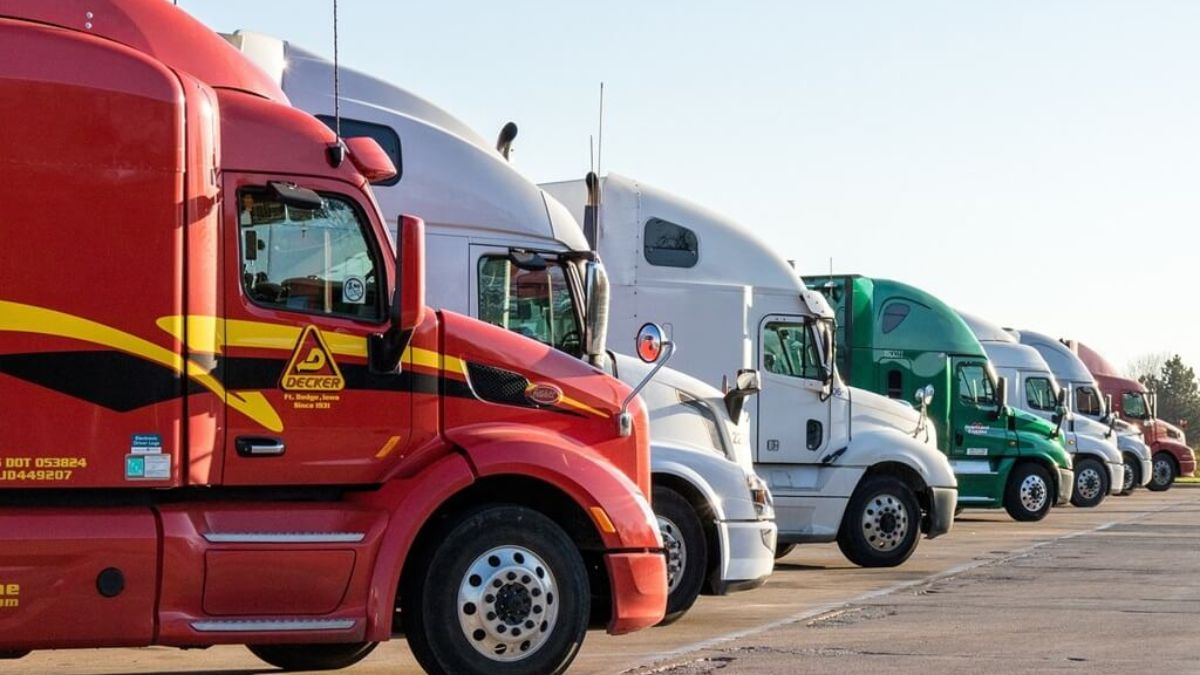
In the world of logistics and transportation, truck drivers play a pivotal role in ensuring that goods reach their destinations efficiently and safely. While much attention is often given to the condition of roads, vehicle maintenance, and delivery schedules, one aspect that is sometimes overlooked is truck parking. Truck parking is not merely about having a space to stop; it is an essential component of driver safety, regulatory compliance, and the overall efficiency of the supply chain. Understanding the importance of truck parking can help transportation companies, drivers, and policymakers address challenges that affect both safety and productivity.
The Importance of Truck Parking for Drivers
Truck drivers often operate under tight schedules and face long hours on the road. Despite their dedication, fatigue remains one of the most significant hazards in the trucking industry. Studies have shown that fatigue is a major contributor to road accidents involving large vehicles. Proper rest is essential, and this is where truck parking comes into play. Designated parking areas allow drivers to rest without the risk of parking illegally or in unsafe locations, ensuring they remain alert and capable of handling the demands of long-distance driving.
Furthermore, accessible truck parking provides drivers with essential amenities such as restrooms, food services, and safe areas to relax. The absence of adequate parking can force drivers to make unsafe decisions, such as parking on highway shoulders or in unauthorized areas. Such actions increase the risk of accidents, fines, and damage to the vehicle and cargo. By prioritizing truck parking, the logistics industry can protect its workforce and ensure compliance with federal driving hour regulations.
Truck Parking and Regulatory Compliance
Regulatory agencies in many countries impose strict rules on driving hours and rest periods for commercial drivers. These regulations are designed to reduce fatigue-related accidents and improve overall road safety. However, even the most well-intentioned regulations can become ineffective if truck parking infrastructure is inadequate.
When drivers cannot find safe and legally compliant parking, they are faced with difficult decisions. Some may continue driving beyond safe hours, while others might park in unsafe locations, violating traffic laws. Both scenarios can result in serious penalties, including fines, license suspensions, and potential liability for accidents. Consequently, adequate truck parking is not just a convenience but a necessity for compliance. By providing sufficient parking options, transportation companies help drivers adhere to regulations, thereby minimizing risk and legal complications.
Economic Impact of Truck Parking
Truck parking also has significant economic implications. Efficient parking solutions can streamline logistics operations by reducing delays caused by drivers searching for safe spaces to rest. Time lost in finding a parking spot can lead to late deliveries, affecting customer satisfaction and contractual obligations.
Moreover, lack of parking can contribute to increased fuel consumption. When drivers spend extra hours circling in search of parking, the unnecessary mileage adds to fuel costs and vehicle wear and tear. This inefficiency can have ripple effects across the supply chain, increasing the overall cost of transportation and affecting profit margins. Investment in well-designed truck parking facilities can therefore yield substantial economic benefits, reducing operational costs while enhancing the reliability of deliveries.
Challenges in Truck Parking Infrastructure
Despite its importance, truck parking remains a significant challenge in many regions. The demand for parking often exceeds supply, particularly near major highways, distribution centers, and urban areas. Several factors contribute to this problem:
- Urbanization and Space Constraints: Growing cities often prioritize commercial and residential development over truck parking spaces. This lack of available land limits the construction of large, secure parking areas.
- High Traffic Volumes: Busy highways and freight corridors experience heavy truck traffic, creating competition for available parking spots. Drivers may have to travel miles to find a place to rest, causing delays.
- Cost of Development: Building and maintaining truck parking facilities can be expensive. Expenses include land acquisition, construction, security, lighting, and maintenance. For many small operators, investing in parking infrastructure may not be financially feasible.
- Safety and Security Concerns: Even when parking is available, concerns about theft, vandalism, or accidents can deter drivers from using certain areas. Ensuring security in truck parking facilities is a critical factor in encouraging usage.
Addressing these challenges requires collaboration between government agencies, private companies, and industry stakeholders. Public-private partnerships and innovative solutions can help expand parking capacity, improve safety, and ensure accessibility for all drivers.
Technological Solutions Enhancing Truck Parking
In recent years, technology has become a valuable tool in addressing the truck parking shortage. Digital platforms and mobile applications allow drivers to locate available parking in real-time, reserve spaces in advance, and avoid unnecessary detours. These systems reduce congestion at popular parking areas, optimize routes, and improve overall efficiency.
Moreover, advanced sensors and IoT (Internet of Things) technology can monitor parking occupancy and provide live updates to drivers. Smart parking solutions can also integrate with fleet management systems, enabling companies to track driver availability, plan rest breaks, and ensure regulatory compliance. By leveraging technology, the trucking industry can transform the parking experience from a frustrating challenge into a well-organized, efficient process.
Environmental Considerations
Truck parking also intersects with environmental sustainability. Improper or illegal parking, such as on shoulders or in unpaved areas, can damage vegetation, soil, and drainage systems. Additionally, trucks idling while waiting for parking contribute to air pollution and greenhouse gas emissions.
Well-planned truck parking facilities can mitigate these environmental impacts. By providing designated spaces with amenities and monitoring systems, companies can reduce unnecessary idling and encourage responsible use of resources. Some facilities even incorporate green technologies, such as solar-powered lighting, rainwater management, and electric vehicle charging stations, to minimize their environmental footprint.
The Future of Truck Parking
The demand for reliable truck parking is only expected to increase as global trade and e-commerce continue to grow. Autonomous vehicles and advanced logistics systems may transform how drivers interact with parking infrastructure, but the need for safe, accessible, and convenient parking will remain.
Future developments may include multi-level parking structures, automated parking management systems, and integrated logistics hubs that combine storage, fueling, and rest facilities in one location. These innovations will not only improve driver safety but also optimize the efficiency of the supply chain.
Policymakers and industry leaders must prioritize truck parking as a critical component of transportation planning. Investments in infrastructure, technology, and safety measures can address current shortages while preparing for future growth. By treating truck parking as an essential part of logistics, the industry can ensure that drivers, companies, and consumers all benefit from a safer and more efficient system.
Conclusion
Truck parking is far more than a simple convenience for drivers—it is a cornerstone of safety, efficiency, and regulatory compliance in the logistics industry. From reducing fatigue-related accidents to optimizing fuel consumption and ensuring timely deliveries, the benefits of adequate parking are extensive. Despite the challenges posed by urbanization, high traffic volumes, and cost constraints, innovative solutions and technological advancements offer promising ways to improve the parking landscape.
As the industry continues to evolve, prioritizing truck parking will remain essential for driver well-being, operational efficiency, and environmental responsibility. Transportation companies, policymakers, and industry stakeholders must work together to address existing shortages and prepare for future demand. By recognizing the critical role of truck parking, the logistics industry can create safer roads, more efficient supply chains, and better working conditions for drivers who keep our economy moving.
In summary, investing in truck parking is not just about providing a space for trucks to stop; it is about supporting the people behind the wheel, safeguarding goods in transit, and strengthening the infrastructure that underpins modern commerce. The future of logistics depends on recognizing this often-overlooked yet vital aspect of transportation management.